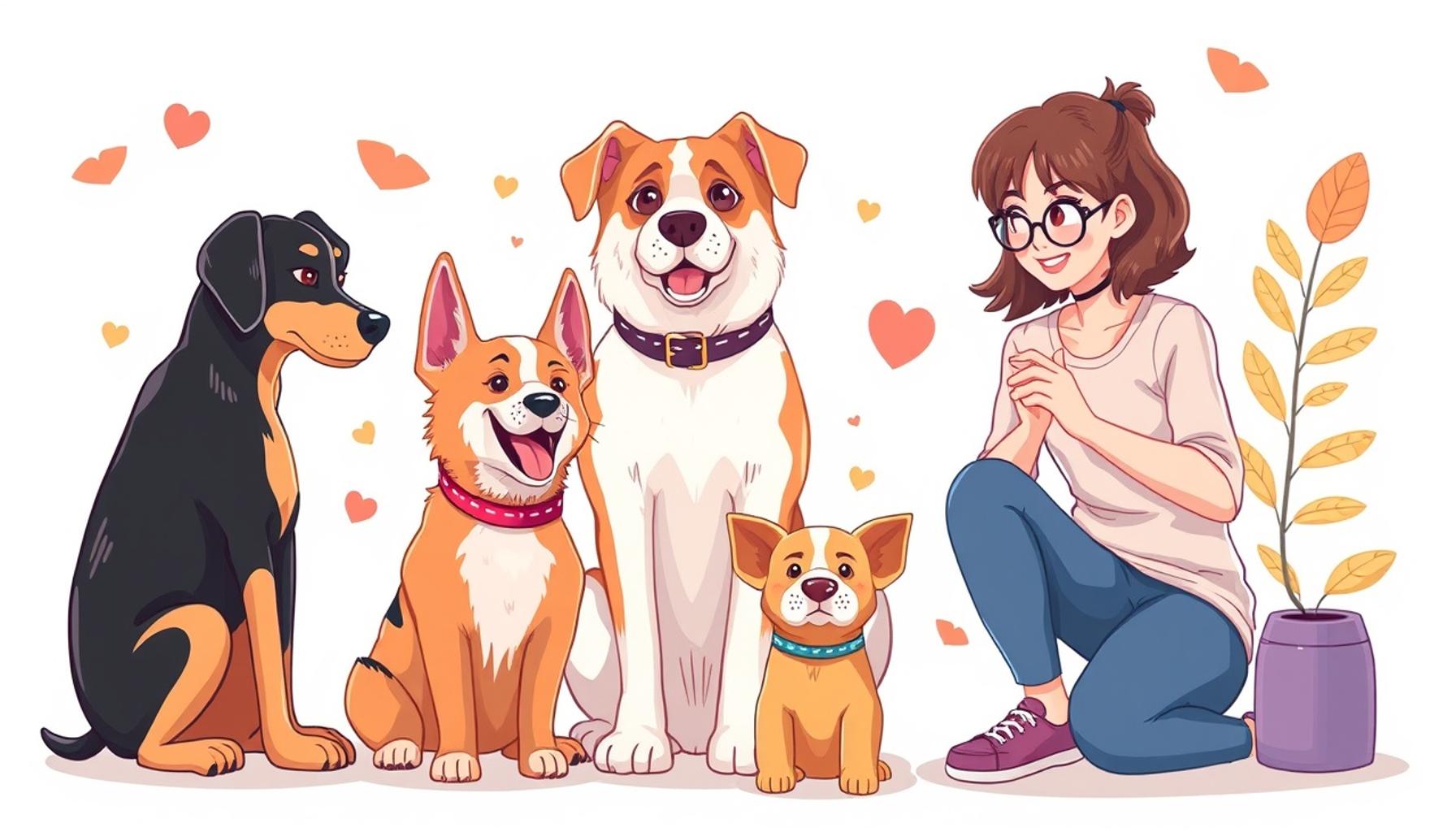
The Influence of Owners’ Behavior on Pets’ Anxiety
Factors Influencing Pets’ Anxiety Derived from Owners’ Behavior
Understanding how owners’ behavior affects pets’ anxiety is crucial for fostering healthy pet-owner relationships. Pets, much like humans, are sensitive to their surroundings and the emotions of those around them. Their ability to experience stress and anxiety can be significantly influenced by various factors stemming from their owners. An owner’s awareness of their emotional state and actions can lead to a more stable environment for their pets, ensuring both parties thrive together.
The Role of Body Language
One of the primary ways pets interpret their environment is through body language. Animals are exceptionally observant creatures, capable of sensing changes in their owner’s demeanor through physical cues. For example, a person’s clenched fists, tense posture, or agitated movements can communicate stress or fear. A dog able to sense this tension may become anxious, leading to behaviors such as hiding or shaking. In contrast, a calm and relaxed owner can encourage a sense of safety, positively influencing the pet’s emotional state.
Importance of Routine and Consistency
Another significant factor is the routine and consistency of daily activities. Pets thrive on predictability; they find comfort in knowing what to expect. Sudden changes in their schedule, such as a new work routine or changes to feeding times, can lead to confusion and anxiety. For instance, if a dog that is accustomed to morning walks suddenly experiences a change in timing, the disruption may cause it to feel unsettled. Ensuring consistency in routines can help mitigate these feelings of insecurity and stress.
Impact of Emotional State
Moreover, the emotional state of an owner plays a pivotal role in their pet’s mental health. Research suggests that animals can mirror the emotions of their owners. For instance, a pet owner experiencing significant stress or anger might unknowingly pass those emotions onto their pets. Studies have shown that pets can pick up on elevated heart rates and other physiological responses in their owners, which can exacerbate their own anxiety. This interconnectedness illustrates the importance of emotional management for pet owners.
Behavioral Signs of Anxiety in Pets
The implications of these behaviors extend beyond simple observation. An anxious dog may display various symptoms, including:
- Destructive behavior: Chewing furniture, digging holes, or even scratching doors can be signs that a pet is overwhelmed.
- Excessive barking or whining: Vocalizations may be a cry for help, indicating that the pet is seeking reassurance or is unable to cope with stressors.
- Changes in appetite: An anxious pet might eat less or overeat as a response to stress, signaling a need for attention or care.
Creating a Harmonious Environment
Understanding these dynamics is essential not only for pet health but also for creating a harmonious home environment. Owners who proactively manage their emotions and behaviors can significantly reduce anxiety in their pets. Simple acts like practicing mindfulness, maintaining a calm and reassuring tone of voice, and being consistent with schedules can lead to improved interactions and quality of life for both pet and owner. Additionally, exploring various techniques such as positive reinforcement training or consultation with pet behaviorists can provide further insights into nurturing a pet’s mental well-being.
As we delve deeper into this topic, we will uncover strategies that owners can adopt to support their pets’ emotional health, ensuring a fulfilling and joyful shared experience.
DISCOVER MORE: Click here to learn about the effects of positive reinforcement training.
The Interplay of Environment and Owner Interaction
The connection between an owner’s behavior and pet anxiety extends beyond simple observations; it delves into the very fabric of the pet’s daily life. Every interaction, whether it’s a gentle pat on the head or a frustrated shout, contributes to shaping a pet’s emotional landscape. Creating a nurturing environment demands an understanding of how these behavioral nuances affect a pet’s well-being.
Verbal Communication and Tone
Another critical element in influencing a pet’s anxiety is the verbal communication and tone of voice used by owners. Our pets are keen listeners; they can interpret not just the words we say but also the emotions conveyed through our tones. A sharp, high-pitched voice may signal excitement to a dog but can also be interpreted as anxiety or distress, potentially triggering similar sensations in the pet. Conversely, a calm, soothing tone can instill assurance and tranquility, effectively reducing stressful responses. For instance, during a thunderstorm, comforting your dog with a gentle voice can mitigate feelings of unease and fear.
The Impact of Training Methods
Owner behavior is also pivotal in shaping a pet’s behavior through training methods. Positive reinforcement has been shown to foster a sense of security and confidence in pets, reducing anxiety levels significantly. When owners use rewards and praise for desired behaviors, pets learn to associate good outcomes with specific actions. However, when punitive measures or negative reinforcement techniques are employed, pets can develop anxiety related to training sessions or daily routines. A study by the American Veterinary Society of Animal Behavior suggests that dogs trained with fear-based methods displayed more signs of anxiety compared to those trained positively, showcasing the direct link between owners’ training methods and pets’ mental health.
Potential Environmental Stressors
Moreover, pets are acutely aware of their environment, with external stressors playing a substantial role in their anxiety. Owners who frequently host gatherings or engage in loud activities may inadvertently create a chaotic atmosphere that heightens their pet’s stress levels. Animals, particularly those with sensitive temperaments, may feel overwhelmed by the noise and hustle, leading to withdrawal or aggressive behaviors. Maintaining a balanced home environment—one that allows for both socialization and tranquility—can help reduce these stress-inducing effects.
Recognizing Anxiety Signs and Seeking Solutions
Being able to identify signs of anxiety in pets is crucial for owners. Common behaviors indicative of anxiety include:
- Excessive drooling or panting: These physiological reactions often occur when a pet feels distressed.
- Avoidance behaviors: An anxious pet may hide away or try to escape from potentially stressful situations.
- Changes in body posture: Tucked tails, flattened ears, and lowered body may signal discomfort or fear.
By recognizing these signs, owners can better understand their pet’s emotional health and respond with appropriate strategies to alleviate anxiety. Whether it is through modified interactions, training approaches, or environmental adjustments, awareness and proactive engagement with their pets are key to fostering a more positive relationship.
As we investigate further, we will explore effective strategies that can empower pet owners to create an environment that nurtures emotional stability, enhancing the overall quality of life for both themselves and their furry companions.
| Category | Details |
|---|---|
| Owner’s Calmness | A pet owner’s calm demeanor significantly reduces anxiety levels in pets. |
| Positive Reinforcement | Using treats and praise during stressful events creates a safe environment for pets, easing their anxiety. |
| Routine and Structure | Establishing a consistent daily routine helps pets feel secure and relaxed. Owners’ behaviors can help create this structure. |
| Social Interactions | Positive engagement through socialization and play reduces anxiety in pets, promoting healthy behavioral patterns. |
The role of an owner’s behavior in influencing pets’ anxiety cannot be overstated. Not only does a owner’s calmness create an environment of tranquility for their pets, but positive reinforcement strategies foster secure attachment, which is crucial for emotional development. Furthermore, routines established by owners contribute to a pet’s sense of security. This effort encourages a reduction in stress and anxiety responses, making understanding the impact of behavior essential for pet owners seeking optimal emotional wellbeing for their furry companions. The relationship between owner behavior and pet anxiety is an intricate web that deserves more exploration.
DIVE DEEPER: Click here to discover more about the unspoken bond
Strategies to Mitigate Anxiety with Owner Awareness
As we delve deeper into the realm of pet anxiety, it becomes evident that owners hold the key to fostering a more serene and stable environment for their furry companions. By being mindful of their own behaviors and making strategic adjustments, owners can significantly reduce anxiety levels in pets. Understanding and implementing effective coping mechanisms is essential for cultivating a harmonious relationship.
Establishing Routine and Predictability
One of the most compelling strategies for alleviating pet anxiety lies in the establishment of a consistent daily routine. Pets thrive on predictability; knowing what to expect allows them to feel safe and secure. Regular feeding times, scheduled walks, and predictable play sessions can create a sense of stability. This consistency is particularly beneficial for dogs, who often experience anxiety related to sudden changes in their environment or schedule. A well-structured daily routine minimizes uncertainty, ultimately leading to a calmer pet.
Engaging in Positive Reinforcement Training
While we touched upon the importance of positive reinforcement earlier, it’s crucial to emphasize the multiple benefits it reaps for both pets and owners. This training approach encourages desirable behaviors while simultaneously enhancing the bond between pet and owner. Instead of focusing on punishment, dogs and cats learn through praise and rewards, empowering them to feel more secure in their environment. Techniques such as clicker training not only teach commands but also foster trust, alleviating anxiety linked to training sessions. Furthermore, the American Society for the Prevention of Cruelty to Animals (ASPCA) highlights that pets trained with positive methods exhibit fewer anxiety symptoms.
Creating Safe Spaces
Another practical approach owners can utilize is designing safe spaces within their homes for pets to retreat to when feeling overwhelmed. A designated area with comfortable bedding, favorite toys, and familiar scents can serve as a sanctuary during stressful moments, be it during loud thunderstorms or gatherings of unfamiliar guests. The importance of allowing pets a space to decompress cannot be overstated, as it promotes self-soothing behaviors and can significantly lower anxiety levels.
Engaging in Calming Activities
In addition to creating safe spaces, participating in calming activities can help ease a pet’s anxiety. For instance, activities such as gentle massage or incorporating interactive puzzle toys provide not only mental stimulation but also relaxation. These activities encourage pets to engage their minds in a positive way, diverting their focus from anxiety-inducing stimuli. Additionally, a growing body of research suggests that aromatherapy and products formulated with essential oils, like lavender or chamomile, may provide calming effects for both pets and their owners.
Recognizing and Managing Your Own Anxiety
An often-overlooked aspect of pet anxiety is the owner’s emotional state. Pets are incredibly perceptive and frequently mirror the emotions of their human counterparts. If an owner frequently displays signs of anxiety or stress, their pet may react accordingly, amplifying their own feelings of distress. Implementing stress-relief techniques such as mindfulness, exercise, or seeking support may indirectly benefit not only the owner but the pet as well. Research from the University of Missouri indicates that a calm owner fosters a sense of security in pets, minimizing anxiety triggers.
By implementing these strategies with awareness and empathy, owners can create a nurturing and supportive environment that significantly curtails their pets’ anxiety levels. Understanding that the emotional tone set by the owner plays a pivotal role underscores the importance of intentional behaviors that contribute to overall pet well-being.
LEARN MORE: Click here for tips on keeping your pet’s skin and coat healthy
Conclusion: The Owner’s Impact on Pet Anxiety
In summary, the intricate relationship between owners’ behavior and pets’ anxiety cannot be understated. As caretakers, pet owners possess the unique ability to shape not only the environment but also the emotional well-being of their furry companions. By cultivating a space characterized by consistency, positive reinforcement, and mindfulness, owners can significantly mitigate anxiety levels in their pets. The establishment of daily routines, engagement in rewarding training techniques, and the creation of safe havens all contribute to fostering a sense of security.
Moreover, understanding the profound influence their own emotional state can have on their pets emphasizes the need for owners to engage in self-care practices. Research shows that when owners manage their own stress, they create a more calming influence, promoting tranquility for their pets. Simple activities, such as gentle massages or interactive play, can enhance the bond between owners and pets while helping to alleviate anxiety.
As pet ownership continues to grow, recognizing the profound impact of behavioral adjustments on pet anxiety becomes ever more critical. It is a shared journey of learning and understanding, where every small change in the owner’s approach can lead to remarkable transformations in a pet’s emotional health. For every owner dedicated to improving their pet’s well-being, there lies an opportunity to create a harmonious environment conducive to a happier, less anxious life for their beloved companions. As we explore this domain further, let us remain vigilant and compassionate in our understanding of the emotional dynamics at play between owners and their pets.

Linda Carter
Linda Carter is a writer and pet care expert specializing in pet health, grooming, and wellness. With extensive experience helping pet owners create safe, loving, and enriching environments for their animals, Linda shares her knowledge on our platform. Her goal is to empower readers with practical advice and strategies to ensure their pets thrive and lead joyful, healthy lives.