Menu

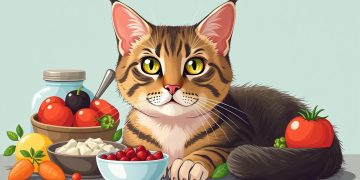
Homemade Food: Healthy Recipes for Cats

Explore the benefits of homemade cat food, including control over ingredients, customizability, and allergen management. Discover easy, nutritious recipes that cater to your cat's specific needs, ensuring a balanced diet. Embrace this rewarding endeavor to nurture your feline companion's health and happiness with healthy recipes tailored just for them.

The importance of vitamins and minerals in the diet of dogs and cats

A nutrient-rich diet is vital for the health and well-being of dogs and cats. Vitamins and minerals support immune function, bone health, and energy levels. Understanding pet nutrition helps prevent deficiencies and chronic health issues. Prioritizing quality food and regular veterinary check-ups ensures pets thrive and enjoy a long, vibrant life.

Tips for Choosing the Ideal Dog Food for Different Ages

Selecting the right dog food involves understanding the unique nutritional needs of puppies, adults, and seniors. Each life stage requires specific ingredients and formulations to support growth, maintain health, and enhance vitality. High-quality ingredients and proactive dietary choices play a vital role in promoting your dog's well-being throughout their life.

Nutrition and Behavior: How Diet Can Influence the Mental Health of Pets

The relationship between pet nutrition and mental health is profound, as quality ingredients, essential nutrients, and hydration significantly influence behavior and emotional well-being. A balanced diet rich in proteins, omega-3s, and vitamins can enhance mood and reduce anxiety, promoting happier and healthier pets.

Feeding During Travels: How to Maintain Your Pet’s Diet on the Go

Traveling with pets requires careful planning to maintain their diet and ensure their well-being. Consistency in feeding routines, adequate hydration, and familiar meals are essential for comfort. Prepare by packing ample supplies and adjusting portions as needed, fostering a stress-free experience for both you and your furry companion.

How to Gradually Introduce New Foods into Your Pet’s Diet

Introducing new foods into your pet's diet requires a gradual approach to ensure digestive health and acceptance. Start with small portions, monitor reactions, and adjust accordingly. Understanding your pet's nutritional needs is key for a successful transition, promoting overall well-being and a happier, healthier life.

How to Deal with Selective Eating in Pets

Selective eating in pets can stem from various factors, including health issues, environmental changes, and preferences. Understanding these triggers is essential for pet owners. Creating a supportive feeding routine, gradually introducing new foods, and monitoring health can help transform mealtime into a positive experience for your furry friend.

The importance of hydration: tips to ensure your pet drinks enough water

Proper hydration is essential for pet health, influencing digestion, circulation, and temperature regulation. To ensure your pet drinks enough water, offer fresh water, consider a pet fountain, and incorporate wet food into their diet. Monitor hydration signs to promote a healthier, happier pet.

How to Adapt Your Pet’s Diet in Different Seasons

Adapting your pet's diet with the changing seasons is essential for their health and vitality. Seasonal shifts impact caloric needs, activity levels, and ingredient availability. By incorporating seasonally appropriate foods, you can enhance your pet’s well-being, ensuring they stay happy and energetic all year round.

How to Prevent Obesity in Pets: Tips for Measuring Proper Portions

Pet obesity is a rising concern, impacting health and longevity. This guide emphasizes the importance of proper portion control, accurate measuring tools, and regular monitoring to help pet owners prevent obesity. By managing diet and incorporating exercise, you can enhance your pet's quality of life and ensure their well-being.