The Role of Play in the Development of Social Skills in Pets

The Importance of Play in Pet Social Skills Development
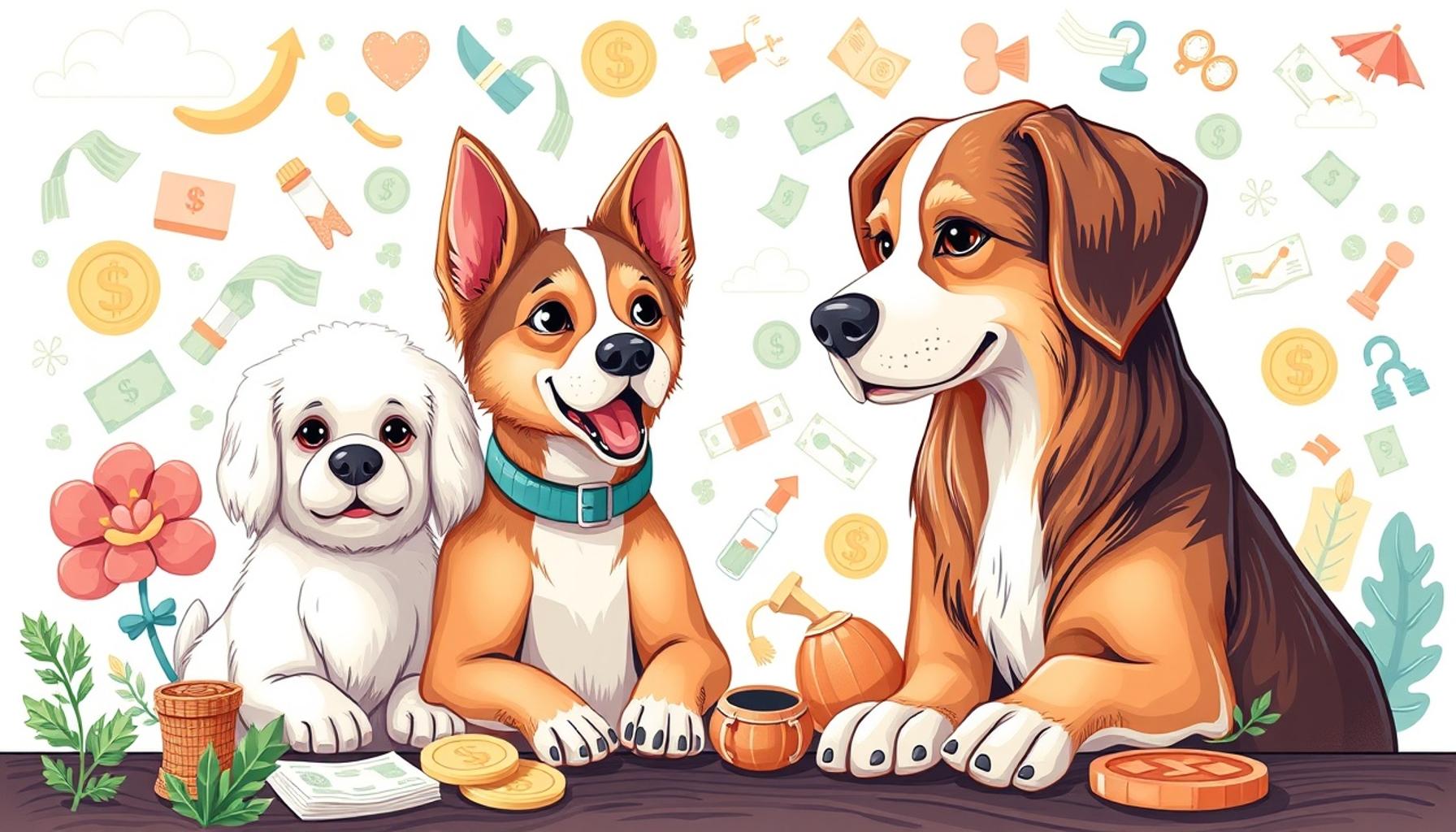
When we consider our beloved pets, vivid images of them frolicking in the yard often come to mind. However, this playful behavior has significant implications beyond mere enjoyment. Engaging in interactive playtime is crucial for enhancing our pets’ social skills, establishing their place in the world, and refining their relationships with both humans and other animals.
Play serves as a multidimensional tool for learning, providing opportunities for pets to acquire essential skills. For example:
- Communication: Through play, pets learn to communicate effectively, distinguishing between friendly gestures and aggressive signals. For instance, a dog that playfully bows while wagging its tail indicates friendliness, while a dog that growls and bares its teeth is signaling discomfort or aggression. Understanding these cues is vital for cohabitation and interaction.
- Conflict Resolution: Play often involves mild conflicts, such as one pet stealing a toy from another. This scenario allows pets to learn how to navigate disagreements and establish their place within their social hierarchies, teaching them acceptable behaviors and helping to mitigate future disputes.
- Empathy: Engaging in play allows pets to tune into their companions’ feelings. For example, if a puppy playfully nudges a more reserved dog and that dog retreats, the puppy learns to respect boundaries, fostering mutual understanding and strengthening their bond.
Recognizing the transformative power of play can open new avenues for pet owners and trainers alike. As we explore further, we will look at:
- The types of play activities that encourage social interaction, such as group playdates or games that require collaboration, like fetch or hide-and-seek.
- The impact of consistent playtime on behavior and overall well-being, revealing how it can reduce anxiety, improve mood, and cultivate a sense of security in pets.
- Practical tips for incorporating play into training routines, such as using toys that enhance interaction or scheduling regular socialization sessions with other pets.
Understanding the significance of play provides invaluable insight into how we can help our pets thrive socially and emotionally. The benefits extend beyond our furry companions; they enrich the dynamic bond we share with them, promoting a deeper sense of companionship that enhances the human-animal connection.
As we embark on this exploration of play, we invite you to discover the various ways that incorporating playful activities can cultivate well-adjusted pets who are not only great companions but also emotionally intelligent members of our families.
DISCOVER MORE: Click here to learn about positive reinforcement training
Engaging Activities that Foster Social Skills
Play is not merely a recreational pastime for our pets; it is a fundamental component in shaping their social abilities and emotional intelligence. Different types of play activities can significantly enhance a pet’s capacity to interact positively with others, both humans and animals. To understand how we can maximize these benefits, let’s dive into the specific forms of play that can be particularly effective.
- Structured Playdates: Organizing playdates with other pets provides an excellent opportunity for dogs and cats to interact in a controlled environment. Supervised playtime allows pets to learn the dynamics of group behavior, such as taking turns, sharing resources, and reading social cues. This structure is essential for teaching pets how to play nicely without overwhelming or frightening one another, which is especially crucial for timid or anxious animals.
- Interactive Games: Games like fetch, tug-of-war, and hide-and-seek are not only enjoyable, but they also require collaboration and communication between pets and their owners. These activities encourage pets to follow commands, such as “drop it” or “come here,” enhancing their training and reinforcing their bond with their human companions. Furthermore, these games stimulate a pet’s cognitive abilities, as they must think and react to their partner’s actions.
- Agility Courses: Setting up a simple agility course in the backyard or a local park can transform the way pets perceive social interaction. Navigating through obstacles demands teamwork, as pets must learn to trust their handlers while they maneuver through unfamiliar settings. This hands-on experience nurtures their problem-solving skills and helps develop their confidence when faced with challenges.
Moreover, engaging in play fosters a sense of empathy among pets. For example, when a dog plays gently with another animal, they not only enjoy themselves but also develop their ability to gauge the feelings and boundaries of their playmates. Similarly, when a kitten offers a playful swat but stops if the recipient withdraws, they are learning the invaluable lesson of respecting others’ comfort levels. This aspect of play enriches their emotional intelligence, allowing them to form deeper connections with both human and animal companions.
The benefits of play extend beyond mere interaction; they can markedly influence a pet’s overall behavior and mental health. Consistent playtime can alleviate anxiety and contribute to a happier, more balanced state of mind. By encouraging regular play, owners can help their pets cultivate resilience against stressors, leading to a healthier social life.
In the quest to better understand the role of play in enhancing our pets’ social skills, we also need to consider how to incorporate these activities into our everyday routines. As we explore further, we will uncover practical tips and strategies for making play an integral part of your pet’s life, ultimately reaping the rewards of a more harmonious and well-adjusted companion.
| Social Interaction | Developmental Benefits |
|---|---|
| Facilitates Communication | Enhances bonding and trust |
| Boosts Confidence | Encourages exploration and curiosity |
Playtime serves as a vital platform for pets to engage in key social interactions that foster their emotional and psychological growth. One of the notable advantages is that it facilitates communication. Through playful interactions with other pets or human companions, animals learn to express themselves verbally and non-verbally, establishing a foundation for effective communication. This includes barking, meowing, body language, and playful gestures, fostering better relationships.Additionally, play significantly boosts confidence. By navigating various play scenarios, pets learn to tackle challenges and express their individual personalities. This not only builds their self-esteem but also encourages exploration and curiosity, vital attributes for a well-adjusted pet. The multifaceted roles of play stretch beyond mere enjoyment, establishing essential skills that translate into social competence. Understanding these dynamics can lead pet owners to implement enriched play experiences, significantly benefiting their pet’s development and overall well-being.
DISCOVER MORE: Click here to learn about the positive impact of pets on recovery
Building Social Confidence Through Play
Understanding the nuances of play can unveil deeper insights into its transformative role in enhancing a pet’s social skills. Beyond just fun, play serves as a critical tool for building confidence and reducing behavioral issues that stem from social anxiety. By constructing a safe space for interaction, we empower pets to express themselves freely, laying the groundwork for healthier relationships with their peers and owners.
One of the essential elements of social skill development through play is the concept of positive reinforcement. This method encourages pets to engage in desirable behaviors during playtime. For instance, giving praise or treats when a pet appropriately interacts with another animal reinforces that behavior, making it more likely to be repeated in the future. This establishes a foundation for good manners and respect in social situations, allowing pets to better navigate both dog parks and social gatherings with ease.
Additionally, play can open the door to enhancing a pet’s sense of security. Animals that are regularly engaged in play with their human companions often exhibit lower levels of stress and anxiety. A study by the American Animal Hospital Association (AAHA) indicates that dogs who are socialized and frequently played with require less behavioral correction and exhibit a higher level of adaptability to new environments. This adaptability is vital for pets that may encounter various social situations throughout their lives, from going to the veterinarian to meeting new friends at a local pet event.
Creative Play Options for Social Development
Exploring a variety of play options can further enhance social skill development. One excellent option is group training classes. These classes provide structured environments where pets can learn skills while interacting with others. Not only do they practice commands in the presence of other animals, but they also learn to respond to distractions and engage positively with fellow students. Such experiences greatly reduce the likelihood of behavioral issues arising from fear or aggression due to unfamiliarity.
- Resource Sharing: Incorporating shared toys during playtime is another great strategy. By allowing pets to compete for a shared toy, they learn how to manage competition and develop patience. This form of interactive play fosters healthy social behavior and an understanding of personal space.
- Role Reversal Games: Engaging pets in games that require them to take turns, such as ‘follow the leader,’ helps them understand the importance of cooperation. This kind of collaborative play nurtures not only their agility but also their social awareness, teaching them to be mindful of others’ actions.
Moreover, observing seasoned pets during play can serve as an educational experience for younger animals. Watching a skilled animal navigate social interactions provides valuable insight into appropriate behavior, allowing newer members to absorb vital social cues without direct confrontation or risk.
Incorporating play into daily routines regularly will nurture pets’ social skills across the board. Understanding the intricacies of play can ultimately pave the way for more harmonious relationships among pets, leading to improved behavioral outcomes and enhanced emotional well-being. By committing to engaging play experiences, pet owners play a pivotal role in ensuring that their furry companions grow into well-adjusted, sociable animals, ready to take on the world with confidence.
DIVE DEEPER: Click here to discover how pets can ease your worries
Conclusion: Unleashing the Power of Play for Pet Socialization
In summary, the role of play in the development of social skills in pets is both profound and multifaceted. Through engaging in various play activities, pets not only enjoy recreational time but also learn critical social skills that enhance their interactions with humans and fellow animals. As we have explored, play acts as a fundamental building block for fostering confidence, teaching good manners, and promoting adaptability. These elements are crucial for pets facing diverse social situations, from routine vet visits to lively dog parks.
Moreover, incorporating methods like positive reinforcement and structured play experiences such as group training classes can significantly accelerate a pet’s social development. Engaging in shared resources and role-reversal games allows pets to learn the importance of patience, cooperation, and spatial awareness in a safe environment. Each play session is an opportunity for pets to absorb social cues and enact desirable behaviors, ultimately shaping a well-adjusted animal ready to navigate the world.
As pet owners, recognizing and promoting the essential role of play in our pets’ lives not only enhances their emotional well-being but also strengthens the bond we share with them. By prioritizing play, we are equipping our companions with the tools they need to thrive socially, paving the way for a happier, healthier life. The rewards of investing time and effort into more playful interactions are well worth it, as they nurture pets into more confident and sociable beings, ready to embrace all that life has to offer.

Linda Carter
Linda Carter is a writer and pet care expert specializing in pet health, grooming, and wellness. With extensive experience helping pet owners create safe, loving, and enriching environments for their animals, Linda shares her knowledge on our platform. Her goal is to empower readers with practical advice and strategies to ensure their pets thrive and lead joyful, healthy lives.