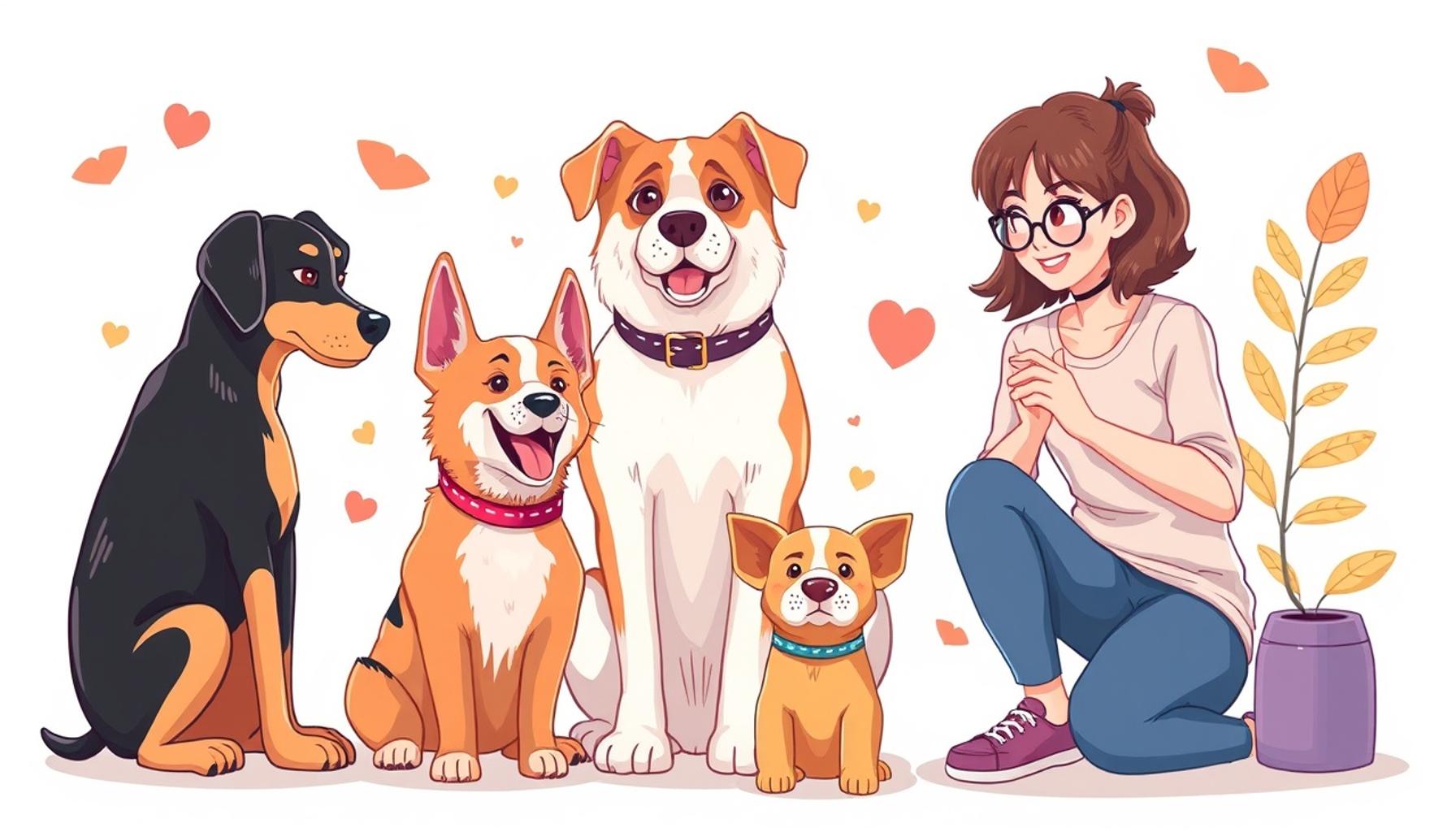
Understanding Non-Verbal Communication Between Owners and Their Pets

The Power of Non-Verbal Communication in Pets
Every day, pet owners engage in a unique form of communication that transcends words. Non-verbal cues form the foundation of this relationship, allowing a deep connection to flourish. Understanding this silent dialogue is crucial for fostering better relationships with our furry companions.
Pets, particularly dogs and cats, have evolved to communicate with their human counterparts through various signals and behaviors, often conveying profound emotions and needs without the need for vocalization. The ability to decode these non-verbal exchanges can significantly enhance the pet-owner relationship and lead to a more enriching experience for both parties. Here are some key aspects of non-verbal communication in pets that every owner should know:
- Body Language: The physical stance of a pet can tell a story. For instance, a dog that is wagging its tail with a loose, relaxed posture is expressing excitement and happiness. Conversely, a tucked tail, raised hackles, or a dog standing still with a tense body may indicate fear or aggression. Similarly, a cat that arches its back and puffs up may be trying to appear larger in the face of a perceived threat.
- Facial Expressions: Just like humans, pets utilize their facial features to convey emotions. A dog’s eyes may soften and its mouth can open in a relaxed manner when it is content, whereas narrowed eyes or a bared teeth gesture signifies distress or discomfort. Cats communicate through subtle eye movements, such as slow blinking, which is often described as a “cat kiss,” indicating trust and affection.
- Touch: Physical interactions play a vital role in expressing feelings in the pet world. When a dog nudges their owner with their nose, it is often a sign of seeking attention and affection. Additionally, a cat that curls up in a lap or rubs against a person is sharing their affection and marking their territory with scent, indicating comfort and love.
Understanding these signals can remarkably influence the training process and overall well-being of pets. For example, recognizing signs of anxiety in a dog—such as pacing, drooling, or excessive barking—can prompt a change in training techniques to be more supportive and less stressful for the animal. A gentle approach and awareness of their feelings can create a safe environment that fosters a bond built on trust.
In the United States, where millions of households view pets as cherished family members, harnessing the power of non-verbal communication becomes increasingly vital. This insight not only strengthens the bond between human and pet but can also lead to happier and healthier lives for both parties. By diving deeper into the silent language of our animal companions, pet owners can enjoy a richer, more fulfilling relationship that goes beyond mere companionship.
As we explore the complexities of non-verbal communication in pets further, we find that paying attention to these cues equips us to become more empathetic and responsive caregivers. By translating their needs and emotions into actions that foster their happiness, we open the door to an even deeper companionship.
DISCOVER MORE: Click here to learn about the importance of socialization in puppy training
Decoding the Signs: Key Non-Verbal Cues
As pet owners, we often find ourselves interpreting our pets’ behaviors in the absence of words. The language of non-verbal communication is rich and layered, with pets employing various methods to convey their feelings. By honing our observational skills and learning to decode these signs, we can foster a more harmonious relationship with our pets. Here are some crucial non-verbal cues to understand:
- Tail Position and Movement: A dog’s tail is a virtual window into their emotional state. An elevated, wagging tail usually signifies joy and readiness to engage, while a lower or stiff tail can indicate anxiety or submission. Observing the direction and speed of the wag can also provide insights; a fast wagging tail when approaching someone is generally friendly, while slow wags may suggest uncertainty.
- Ear Orientation: Dogs and cats have the ability to move their ears significantly, which can communicate a wide range of emotions. For instance, a dog with perked-up ears is typically alert and interested, while ears pulled back can signal fear or aggression. Similarly, a cat with ears that are pointed forward is usually curious, whereas twitching or flat ears can indicate annoyance or a desire to retreat.
- Posture: The overall stance of a pet reflects their comfort level in a given environment. An open and relaxed posture, where a dog is laying on their side or a cat is sprawled comfortably, signals security. Conversely, crouching or hiding can indicate distress or fear, prompting owners to intervene and create a safer space.
- Vocalizations Complementing Body Language: While vocalizations are verbal cues, they often work in tandem with body language to enhance communication. A dog that barks excitedly while jumping with a loose body is expressing happiness, whereas barking accompanied by a tense posture can indicate a threat. Cats might purr when being petted, indicating contentment, but hissing coupled with arched backs speaks volumes of their displeasure.
Recognizing these non-verbal cues is not only beneficial for enhancing communication but is vital for ensuring a pet’s welfare. For example, understanding when to step back due to a pet’s body language can prevent stress or exacerbate fear. An article published in the Journal of Veterinary Behavior underscores the link between stress reduction and understanding non-verbal cues, asserting that pets displaying signs of distress can lead to behavioral issues if not addressed early.
The dynamic between owner and pet relies heavily on empathy, patience, and observation. In the United States, where pets are often treated as family members, it becomes increasingly important to encourage their well-being through understanding. Armed with this knowledge, pet owners can be more attuned to their pets’ needs, paving the way for intuitive care that promotes a lifelong bond.
As we delve deeper into the fascinating world of non-verbal communication between humans and pets, it’s essential for owners to not only observe but also respond to these silent signals. Doing so can unveil hidden layers of emotion and need, enriching the relationship and ultimately leading to a more fulfilling companionship.
Understanding non-verbal communication between pet owners and their animals is a fascinating journey into the realm of body language, gestures, and emotional exchanges that transcend words. Pets, particularly dogs and cats, utilize a wide range of behavioral signals to convey their feelings, creating a rich tapestry of interaction that can significantly enhance the bond between them and their owners.
The Importance of Observing Body Language
Observing your pet’s body language can provide invaluable insights into their emotional state. For instance, a wagging tail in dogs often indicates excitement or happiness, while a cat’s slow blink can signify trust and affection. Understanding these signals can help owners respond appropriately to their pets’ needs, fostering a more harmonious relationship.
Common Non-Verbal Signals
Different animals have unique ways of expressing themselves. For dogs, baring teeth can mean aggression or fear, while a relaxed posture with soft eyes signifies contentment. Cats often communicate through their ears and whiskers—forward-facing ears suggest curiosity or excitement, while flattened ears indicate discomfort. Learning to decode these signals can prevent miscommunication and potential behavioral issues.Moreover, pets can pick up on human body language, which might affect their behavior. Owners who present relaxed body language are more likely to have calm pets. Developing awareness of your own non-verbal cues—such as posture and eye contact—can lead to more effective interactions. The emotional connections fostered through understanding non-verbal cues can also enhance training outcomes. Animals that feel understood and secure are often more responsive to commands and training efforts. This aspect is particularly essential for new pet owners, as establishing a bond through non-verbal communication creates a solid foundation for future training and companionship.Through ongoing observation and responsive interactions, pet owners can deepen their connections, paving the way for a richer, more engaged companionship with their beloved pets. Non-verbal communication acts as a language of its own, speaking volumes in the silent exchanges that occur daily.
| Category 1 | Category 2 |
|---|---|
| Body Language | Essential for understanding emotions |
| Training Enhancement | Improves responsiveness and bond |
By continuously exploring these elements of non-verbal communication, both owners and pets can enjoy a more fulfilling and enriching relationship.
DISCOVER MORE: Click here for essential pet dental care tips
Building a Bridge: Strengthening Bond Through Non-Verbal Communication
Non-verbal communication between pets and their owners isn’t just about recognizing signals—it’s an active participation in an emotional dialogue. A growing body of research suggests that bridging the gap of understanding can significantly enhance the relationship between human companions and their pets. Understanding these non-verbal cues opens the door for deeper connections, allowing owners to respond more effectively to their pets’ needs.
Another crucial aspect to consider is facial expression. Just like humans, pets have a range of expressions that relay their feelings. Dogs, for instance, exhibit an array of facial cues indicating mood changes. A relaxed mouth and soft eyes signal calmness, while a tense face with wide eyes might indicate fear or discomfort. A study published in the journal Animal Cognition reveals that dogs are particularly adept at reading human facial expressions, showing that they not only communicate with us but also interpret our feelings. This reciprocal recognition enhances their ability to bond with humans, suggesting that the emotional exchange is two-fold.
Cats, while often seen as more aloof, express their feelings through subtle cues. The slow blink is a behavior that cat experts advocate, indicating trust and affection. When a cat gazes at their owner and slowly closes their eyes, it’s a sign of comfort—the feline equivalent of a friendly nod. Owners can respond by reciprocating this gesture, creating a soothing atmosphere and reinforcing the bond of trust. Observing these small interactions can foster a greater sense of closeness and companionship.
- Behavioral Signals: Beyond body posture and facial expressions, specific behaviors signify underlying emotion. For example, a dog may exhibit a “play bow,” a gesture where the front legs are stretched forward while the back remains elevated. This playful posture invites interaction and generally implies a joyful mood. Recognizing such invitations can lead to more engaging playtime and foster healthy energy expenditure.
- Grooming Behaviors: Grooming is a significant non-verbal communication form in many species. Dogs often lick their owners—a behavior reminiscent of puppyhood that’s associated with affection and bonding. Cats engage in mutual grooming with their owners as a sign of rapport. Being aware of these grooming behaviors can help owners understand their pets’ comfort levels and willingness to connect.
Another vital point is the importance of context. The environment plays a crucial role in how pets exhibit their emotions. For instance, a dog that appears anxious during thunderstorms might respond differently in a calm home environment. Observing pets in various situations can help owners gain insight into what triggers specific behaviors. Understanding how environment influences non-verbal communication can equip owners with the tools to create a safe and comforting space for their pets. The Journal of Applied Animal Welfare Science suggests that minimizing anxiety-inducing situations can lead to better overall behavioral health in pets.
As we explore the dynamics of communication, it’s evident that nurturing this relationship through a keen awareness of non-verbal signals not only enriches interaction but also contributes to the greater well-being of our pets. By becoming more observant and responsive to our pets’ non-verbal cues, we embark on a deeper journey of cohabitation, understanding, and companionship. This journey is not just about communication; it’s about creating a fulfilling partnership that reciprocally enriches both lives.
DISCOVER MORE: Click here to learn about the benefits of animal-assisted therapy
Conclusion: The Language of Love
In the ever-evolving relationship between pets and their owners, understanding non-verbal communication emerges as a pivotal element for nurturing a deeper connection. The silent signals exchanged—from a dog’s expressive tail wagging to a cat’s gentle slow blink—are the foundation of an emotional dialogue that transcends spoken words. By becoming attuned to these cues, owners can better address their pets’ needs, fostering an environment of safety and trust.
The importance of context cannot be overstated, as environmental factors greatly influence pets’ behaviors and emotional states. Recognizing how specific situations—from a bustling household to a quiet evening—impact non-verbal signals allows owners to respond thoughtfully and compassionately. This awareness not only promotes a stronger bond but also enhances the overall well-being of our furry companions.
Ultimately, our journey of understanding non-verbal communication is not merely about interpreting signs; it’s about creating a lasting partnership built on mutual respect and affection. The more we observe and respond to our pets’ unspoken expressions, the richer our companionship becomes. By embracing this silent language, we not only elevate our pets’ lives but also enrich our own, leading to a harmonious existence filled with love and understanding. Engaging actively in this emotional dialogue invites a more fulfilling experience with our beloved pets, reminding us that sometimes, the best conversations happen without words.

Linda Carter
Linda Carter is a writer and pet care expert specializing in pet health, grooming, and wellness. With extensive experience helping pet owners create safe, loving, and enriching environments for their animals, Linda shares her knowledge on our platform. Her goal is to empower readers with practical advice and strategies to ensure their pets thrive and lead joyful, healthy lives.