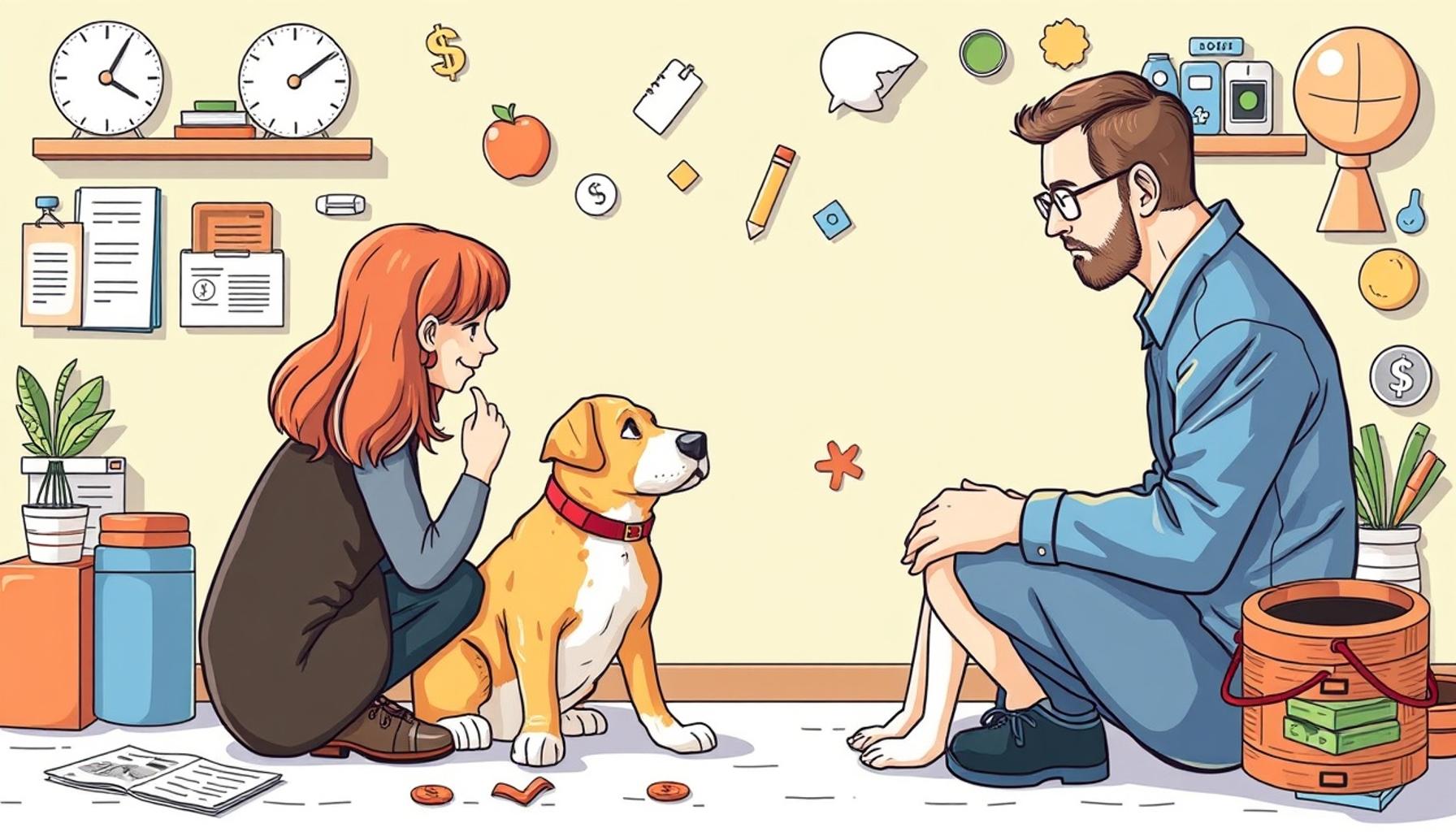
Advanced Training Techniques for Service Dogs: Enhancing Skills and Independence
The Importance of Advanced Training for Service Dogs
Service dogs are not just companions; they are lifelines for individuals with disabilities, offering invaluable assistance that allows their handlers to lead more independent and fulfilling lives. Each service dog is trained with specific skills tailored to meet the unique needs of its handler, but the breadth of these skills can be greatly enhanced through advanced training techniques. By implementing more sophisticated methods of training, we can significantly elevate their capabilities and, consequently, the quality of life for the individuals they assist.
One of the core components of advanced training is Task-Specific Training. This approach zeroes in on particular tasks that a service dog can perform to aid its handler. For example, dogs trained for mobility assistance can learn to retrieve objects, open doors, or help their owners maintain balance while walking. Dogs can also be trained to alert their owners to medical conditions like seizures or diabetic crises, often before the person is even aware of the impending episode. Additionally, emotional support dogs can be trained to recognize signs of anxiety or distress, providing comfort and reassurance at crucial moments.
Clicker Training is another effective technique that leverages positive reinforcement to encourage desirable behaviors. The use of a clicker provides a clear and immediate form of communication to the dog, marking the exact moment their behavior is correct, followed by a reward such as a treat or praise. This not only strengthens the desired behaviors but also fosters a strong bond between the service dog and its handler. Positive reinforcement has been shown to be more effective than punitive methods, promoting a happy and confident dog, which is essential for their performance in various tasks.
In addition to task training, Socialization Techniques are crucial during the service dog’s development. Exposing service dogs to diverse environments—such as crowded public spaces, bustling urban settings, or serene parks—helps them to adapt and develop confidence in their abilities to face varying levels of stimuli. This exposure is vital for a service dog, as they must remain calm and focused, regardless of the distractions around them. Well-socialized dogs are often more effective in providing support, ensuring they can comfortably accompany their handlers in all aspects of life.
The benefits of implementing these advanced training methods extend beyond improving the dog’s skill set. As service dogs become more adept at their tasks, handlers often experience enhanced autonomy and self-assurance in navigating daily challenges. The collaboration between handler and dog becomes a powerful synergy, enabling greater freedom and participation in society.
In this exploration of advanced training techniques, we aim to uncover how they pave the way for groundbreaking results for both service dogs and their handlers. Delving into the science and stories behind these methods promises to reveal just how instrumental they are in unlocking a world of possibilities for those who rely on these remarkable companions.
DISCOVER MORE: Click here to learn about incorporating scent work in training
Innovative Training Methods that Make a Difference
As the role of service dogs evolves to meet the diverse needs of their handlers, advanced training techniques have emerged as critical components that enhance not just the skill set of these remarkable companions, but also the independence of the individuals they support.
Behavior Modification Techniques are among the innovative methods increasingly utilized to fine-tune a service dog’s responses. This training approach focuses on altering specific behaviors that may hinder a dog’s performance in their service role. Through systematic reinforcement strategies, trainers can teach dogs to replace undesirable behaviors—like barking or jumping—with more suitable responses, thereby increasing their reliability in various environments. For instance, a service dog learning to ignore distractions can be rewarded for maintaining composure in high-traffic areas, which is essential for ensuring safety and effectiveness.
Scent Discrimination Training is another advanced technique gaining traction, particularly for service dogs assisting individuals with medical conditions such as diabetes or those prone to allergic reactions. By harnessing a dog’s exceptional sense of smell, trainers can teach them to identify specific scents associated with medical alerts. For example, a dog trained in scent discrimination may be able to detect a change in blood sugar levels by recognizing the unique scent released during a hypoglycemic episode. This early warning system not only empowers the handler but can also be life-saving.
Another pivotal aspect of advanced training is the use of Cross-Training, which involves teaching a service dog multiple tasks rather than specializing in one. Cross-training enables dogs to be versatile, allowing them to assist their handlers in a variety of situations. For instance, a dog trained to provide mobility support may also be taught to alert for medical issues or perform basic tasks like fetching medication. This multi-faceted training enhances the utility of the service dog, ensuring that they can adapt to the quickly changing needs of their handler.
For anyone interested in the progression of service dog training, understanding these innovative techniques is essential. The integration of Technology in Training is also becoming increasingly important, as advances in tools and methods open new avenues to facilitate dog learning. From app-based training guides to specialized equipment that helps trainers analyze behaviors in real time, technology is a game-changer in the realm of service dog training.
Key Benefits of Advanced Training Techniques
- Enhanced Independence: By equipping service dogs with a broader range of skills, handlers gain more tools to manage their daily lives.
- Increased Reliability: Dogs trained in behavior modification and cross-training can adapt effectively, providing consistent support.
- Life-Saving Alerts: Scent discrimination training can mean the difference between life and death for those with medical conditions.
- Improved Bonding: The use of innovative techniques reinforces the relationship between service dogs and their handlers, fostering trust and teamwork.
As we delve deeper into these advanced training techniques, it becomes evident that they are not just about enhancing skills; they are about redefining what is possible for individuals with disabilities. With each method applied, the potential for greater independence and improved quality of life expands, paving the way for a more inclusive society.
| Category | Key Features |
|---|---|
| Positive Reinforcement Techniques | Utilizes rewards to encourage desired behaviors. |
| Skill Enhancement | Improves problem-solving abilities, boosting independence. |
Advanced training techniques for service dogs extend beyond traditional methods, incorporating strategies such as positive reinforcement, which involves rewarding dogs for desirable behaviors. This not only fosters a positive learning environment but also strengthens the bond between the dog and handler. By focusing on the motivation behind actions, trainers can effectively shape complex behaviors.Another critical aspect of these techniques is skill enhancement. Through targeted training programs, service dogs can develop abilities tailored to their handlers’ needs, significantly increasing their independence. This includes tasks like retrieving objects or providing assistance during medical emergencies, showcasing the profound impact trained service dogs can have in enhancing the quality of life for those they support. The implications of such advancements in training methodologies invite exploration into how they revolutionize service dog capabilities and enable their handlers to lead more autonomous lives.
DISCOVER MORE: Click here to learn about enhancing learning through interactive toys
Building the Future of Service Dog Training
In the dynamic field of service dog training, the emphasis on Positive Reinforcement Techniques has become a cornerstone for effective training methodologies. This approach involves rewarding desired behaviors rather than punishing undesirable actions, creating a more compassionate and successful learning environment. Positive reinforcement can include treats, verbal praise, or playtime, all of which help to establish a trusting relationship between the dog and its handler. Studies in animal behavior underscore how this method leads to more enthusiastic and reliable service dogs because they are motivated to perform tasks correctly to earn their rewards.
Moreover, the growing practice of Task-Specific Training allows service dogs to be molded for very particular roles or situations. For example, therapy dogs that assist individuals with PTSD may adopt specific cues that resonate with their handler’s needs during moments of anxiety. By focusing on contextually relevant training, service dogs become indispensable assets to their handlers, improving their emotional well-being and daily functioning. Task-specific training can transform a dog into a specialist, enabling them to respond to and manage the unique challenges presented by their handler’s condition.
Another emerging trend is the use of Clicker Training, which relies on a distinct sound to signal to the dog that they have performed a behavior correctly. This method transcends verbal commands, allowing for greater precision in training sessions. For instance, a handler aiming to teach their dog to open a door can use the clicker to mark the moment the dog touches the handle. By associating the sound with the action, dogs can grasp complex tasks quicker, boosting their confidence and performance levels.
The concept of Simulated Real-World Training is critical in ensuring service dogs are prepared for real-life situations. This method involves exposing dogs to a variety of environments including crowded malls, busy streets, and public transportation. By placing dogs in these scenarios during their training, trainers can evaluate a dog’s ability to remain focused and effectively perform tasks under various distractions. Simulated training not only prepares dogs for their roles but also acclimates them to diverse situations, enhancing their adaptability.
Utilizing Partnerships for Enhanced Training
Partnerships with professionals—such as veterinarians, behaviorists, and occupational therapists—have paved the way for a multidisciplinary approach to service dog education. This collaboration allows for the creation of comprehensive training programs that are tailored to the specific needs of both the dog and the handler. Data shows that dogs trained in this manner demonstrate improved behavior and task completion rates, thanks to the incorporation of insights from various fields.
The combined influence of these advanced techniques emphasizes a shift toward creating not only well-trained service dogs but also empowered handlers. As trainers explore these methodologies, it becomes apparent that the focus on innovation is not merely about teaching dogs new tricks but is instead about fostering independence, enhancing skills, and ultimately, enriching lives. As these advances refine the framework of service dog training, the potential benefits ripple outward, transforming the service dog community and the lives of those they serve.
DISCOVER MORE: Click here to learn about enhancing your dog’s agility
Conclusion
The journey of advanced training techniques for service dogs is not merely an exploration of methods; it is a revelation of the extraordinary potential locked within the bond between a dog and its handler. As we’ve examined, Positive Reinforcement, Task-Specific Training, Clicker Training, and Simulated Real-World Training represent a paradigm shift towards a more compassionate and effective approach to training service dogs. These methodologies not only enhance the dogs’ skills but also foster a profound sense of independence for those they serve.
The importance of a multidisciplinary partnership in developing training programs highlights a collaborative effort that pushes boundaries and elevates the standards of service dog training. By integrating insights from various fields, trainers can create more tailored approaches that address the unique needs of both the animal and the handler, ensuring a richer, more fulfilling experience for all involved.
As we look toward the future, it is evident that continued innovation in service dog training is essential for unlocking new opportunities for independence and well-being. Each new technique and partnership not only enhances the skills of service dogs but also transforms the lives of those who rely on them. The ripple effects of these advancements have the power to redefine what it means for a service dog to serve, making this a pivotal time for the service dog community. Ultimately, investing in these advanced training techniques lays the groundwork for a more inclusive, compassionate society where both dogs and their handlers can thrive together.

Linda Carter
Linda Carter is a writer and pet care expert specializing in pet health, grooming, and wellness. With extensive experience helping pet owners create safe, loving, and enriching environments for their animals, Linda shares her knowledge on our platform. Her goal is to empower readers with practical advice and strategies to ensure their pets thrive and lead joyful, healthy lives.