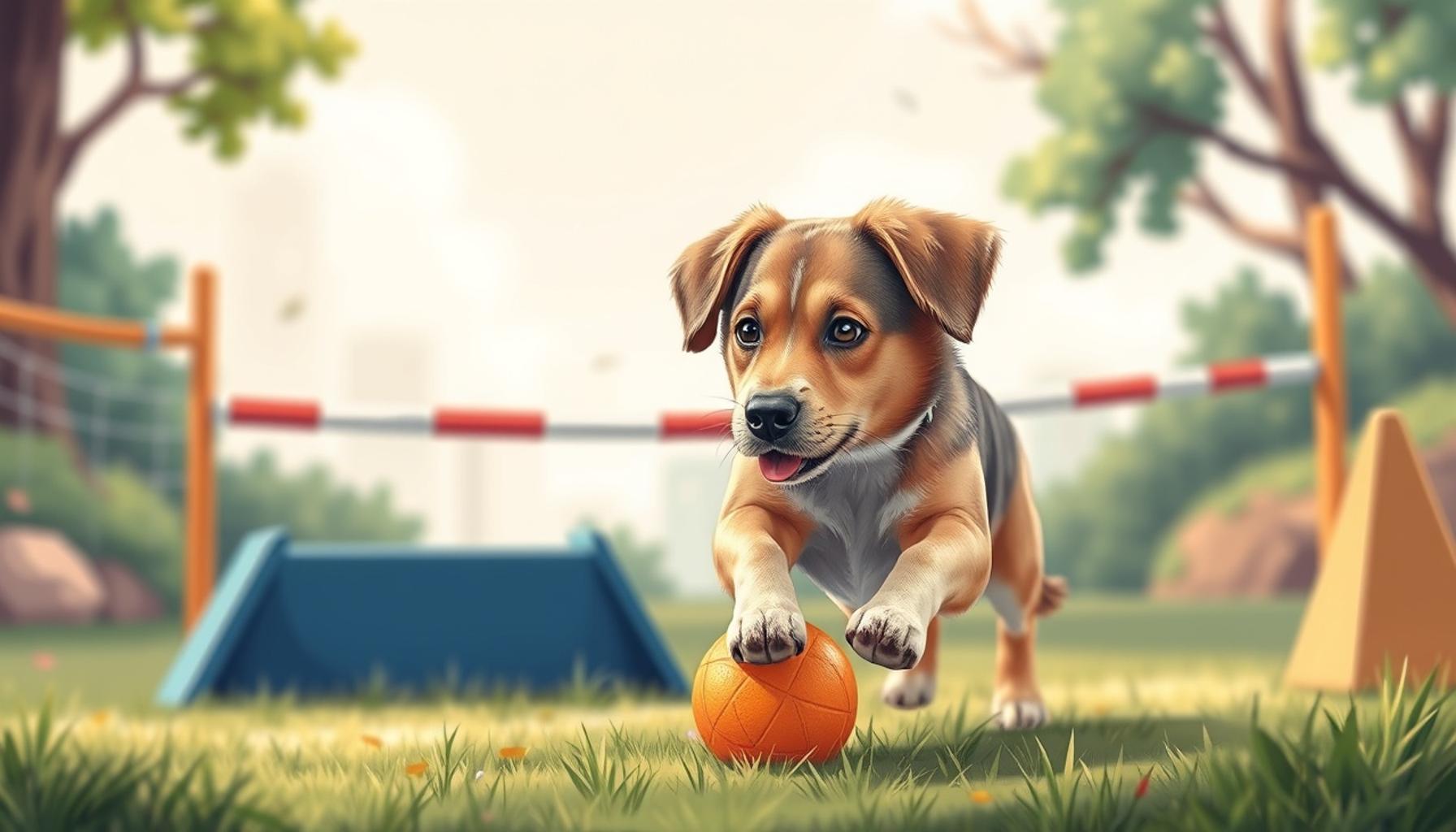
Using Obstacle Courses to Enhance Canine Agility Training
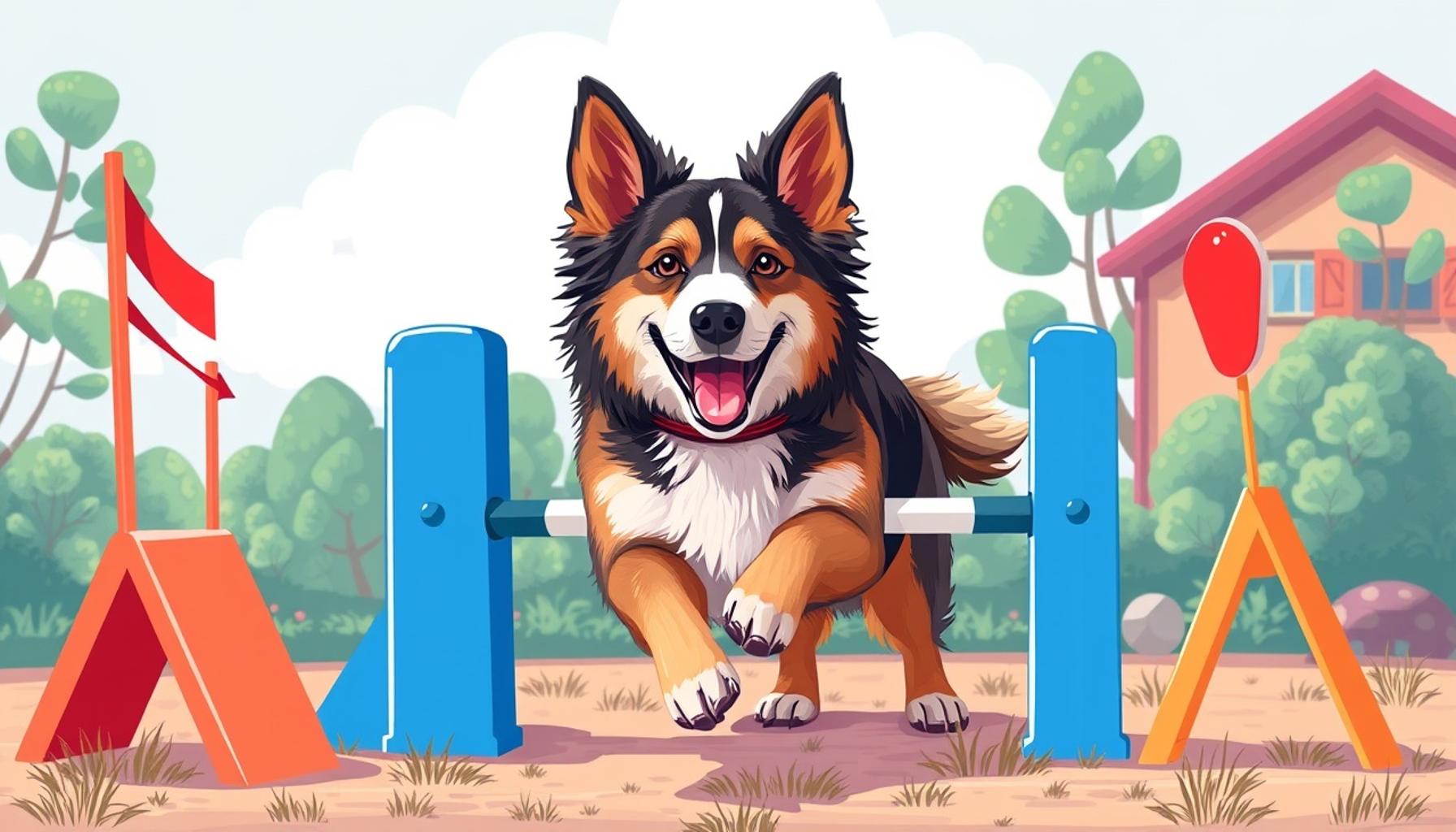
Enhancing Canine Agility Training with Obstacle Courses
At the heart of modern canine agility training lies the thrilling use of obstacle courses. These dynamic environments challenge dogs both physically and mentally, making training a fun and engaging activity. By incorporating various obstacles into training routines, handlers can significantly enhance their dogs’ skills, leading to improved performance in competitions and greater bonding through shared experiences.
Types of Obstacle Courses
Obstacle courses can be as diverse as the dogs that run them, ranging from simple backyard setups to complex courses designed for competitive use. Some of the most popular obstacles include:
- Jumps: These can vary in height and style, from simple vertical jumps to more intricate spread jumps. Jumping teaches dogs to navigate varying distances and encourages agility.
- Tunnels: Dogs must run through these enclosed paths, which helps improve their confidence and willingness to tackle unknown challenges. Not only does navigating tunnels build physical agility, but it also instills the idea of pushing through obstacles.
- A-frames: This obstacle requires dogs to climb up one side and down the other, helping to develop strength and balance.
- Weave poles: A set of poles placed closely together that dogs navigate through in a zigzag pattern. This obstacle enhances both dexterity and precise coordination.
Benefits of Agility Training
Engaging dogs with obstacle courses offers numerous benefits beyond just physical agility. For instance, as dogs learn to navigate challenges, they develop obedience—a fundamental trait that helps improve listening skills during both training sessions and everyday situations. Additionally, agility training fosters confidence; dogs often display newfound self-assurance as they successfully complete obstacles and receive positive reinforcement from their owners.
Moreover, the teamwork developed through these training exercises can strengthen the bond between a dog and its owner. As handlers lead their pets through courses, they cultivate trust and communication, vital components of a successful relationship. This bond encourages dogs to follow commands more consistently, as they feel understood and secure in their environment.
Examples of Successful Training Programs
Across the United States, various professional trainers have adopted successful strategies to integrate obstacle courses into their training programs. For instance, trainers participating in agility competitions frequently update their courses to reflect evolving standards, learning from competitors across the nation. Events such as the AKC Agility Championships and local agility trials showcase the skills developed through dedicated training with obstacle courses.
In addition to competitive events, community-based training clubs and classes are popping up everywhere, offering resources and support for pet owners looking to delve into agility. These programs not only introduce physical and mental challenges to dogs but provide opportunities for socialization with other dogs and their owners.
As you explore the world of canine agility and consider incorporating obstacle courses into your training routine, remember that the journey should be enjoyable for both you and your dog. The rewards—enhanced skills, a deepened bond, and a fit, happy dog—are well worth the effort. Get ready to transform your training sessions and uncover the remarkable benefits that await!
DISCOVER MORE: Click here to learn about mindfulness techniques for anxious pets
Creating the Perfect Obstacle Course
When designing an obstacle course for canine agility training, it is essential to consider several elements that can impact your dog’s learning experience. The layout of the course, the types of obstacles included, and the overall environment play vital roles in enhancing your dog’s agility and confidence. Here are key components to keep in mind when creating an effective obstacle course:
- Variety of Obstacles: Incorporating a diverse range of obstacles is crucial. Mixing jumps, tunnels, A-frames, and weave poles not only keeps your dog engaged but also challenges them in different ways. For instance, using both elevated and ground-level jumps can help build core strength and improve balance.
- Adjustable Difficulty: Tailoring the difficulty level of obstacles to match your dog’s skill set allows for ongoing progress. As your dog becomes more proficient, gradually increase the difficulty by altering jump heights, shortening tunnel lengths, or introducing tighter turns in weave poles.
- Safety Considerations: Safety is paramount. Ensure that obstacles are constructed with durable materials and have smooth surfaces to prevent injuries. Additionally, create a soft landing area with grass, mats, or rubber flooring to cushion falls and impact.
Establishing a well-structured obstacle course not only encourages active participation but also motivates dogs to seek and overcome challenges. As they navigate the course, each successful completion can spark enthusiasm, urging them to push themselves further.
Building Confidence through Structured Challenges
One of the remarkable benefits of using obstacle courses is how they nurture a dog’s confidence. Many dogs can be timid or hesitant when faced with new experiences. Obstacle courses present opportunities for dogs to tackle challenges in a structured environment, allowing them to build trust in their capabilities. The more they engage with the course, the more familiar they become with overcoming hurdles, thus enhancing their overall self-esteem.
Handlers play an essential role in this developmental process. Providing encouragement and positive reinforcement while your dog successfully navigates obstacles is crucial. Celebrate small victories, whether they occur during your home practice or at a local training event. Consistent praise will not only boost your dog’s confidence but also create positive associations with agility training.
Socialization and Teamwork
Additionally, engaging in obstacle course training serves as an excellent avenue for socialization. Participating in group classes or community events exposes dogs to new environments, sounds, and fellow canine companions. This interaction helps develop essential social skills and reduces anxiety in unfamiliar situations.
Working through obstacle courses with other dogs and handlers cultivates a sense of teamwork and camaraderie. As handlers guide their pets through each obstacle, they establish clear communication cues, reinforcing the bond between them. This synergy not only enhances the training experience but also deepens the understanding and connection shared by both the handler and the dog.
Incorporating obstacle courses into your canine training strategy can be an immensely rewarding experience. By engaging your dog’s body and mind through varied challenges, you pave the way for enhanced agility, confidence, and a solid companionship that lasts a lifetime.
| Category | Advantages |
|---|---|
| Physical Fitness | Obstacle courses promote cardiovascular health and improve strength. |
| Mental Stimulation | Navigating courses challenges dogs mentally, preventing boredom and destructive behavior. |
Incorporating obstacle courses in canine agility training offers significant physical fitness benefits for dogs. As they navigate various obstacles like tunnels, jumps, and weave poles, canines engage in a full-body workout that effectively boosts their strength and endurance. This not only enhances their physical condition but also contributes to overall health, reducing the risks of obesity and associated health issues.Moreover, these courses provide crucial mental stimulation. Dogs are highly intelligent creatures, and engaging them in obstacle courses keeps their minds active. As they strategize their movements and adapt to new challenges, they develop problem-solving skills. This mental engagement is vital for a happy, well-rounded pet, mitigating boredom that can lead to negative behaviors such as chewing or excessive barking.Engaging in these types of activities helps forge a stronger bond between dogs and their owners, enhancing training outcomes even further. For pet owners seeking innovative ways to enrich their dogs’ lives, obstacle courses offer an effective solution that nurtures both body and mind.
DISCOVER MORE: Click here to learn about mindfulness techniques for anxious pets
Incorporating Agility Training into Daily Routines
Integrating obstacle courses into your daily routine can significantly enhance your canine agility training. Beyond formal training sessions, consider utilizing short, engaging workouts that fit seamlessly within your dog’s schedule. Such workouts can serve as brain-teasers, ensuring your dog remains mentally and physically stimulated even on busy days.
One practical approach is to dedicate a few minutes each day to setting up a mini-obstacle course in your backyard or even inside your home. Use everyday items you have on hand. For instance, chairs can create weave poles, broomsticks can become jumps, and tunnels can be made from cardboard boxes. This not only emphasizes creativity but also allows for spontaneous training sessions, turning ordinary moments into exciting challenges.
Moreover, adapting the structure of your course on a whim can keep your dog engaged and eager to participate. The variability in training keeps their focus sharp and encourages them to think critically about how to navigate different obstacles. Additionally, this adaptability can help maintain their interest over time, preventing boredom and fatigue from repetitive drills.
Measuring Progress and Setting Goals
As with any skill development, measuring progress and setting goals is essential in agility training. Tracking your dog’s accomplishments throughout the course allows for meaningful insights about their growth and areas needing improvement. Maintaining a journal of training sessions can aid in observing patterns, dog reactions, and personal milestones.
When setting goals, it is beneficial to ensure they are realistic and achievable, often referred to as SMART goals—Specific, Measurable, Achievable, Relevant, and Time-bound. For example, you might aim for your dog to successfully weave through their course in under 30 seconds within four weeks. Such tangible benchmarks can boost motivation and engagement for both the dog and handler.
Engaging in Local Competitions
Participating in local agility competitions can provide an exhilarating and enriching experience for you and your dog. These events expose your canine to various courses and challenges they may not encounter in routine training. Furthermore, competitions allow handlers to evaluate their dog’s performance against others, highlighting strengths and areas for further development.
Moreover, these activities foster community involvement among dog owners. Sharing experiences, training techniques, and even the occasional hiccup can create lasting bonds and friendships. As you engage with fellow dog enthusiasts, you can exchange creative ideas for obstacle course design or learn about new training techniques that may enhance your current approach.
As your dog progresses and gains accolades in these competitions, the sense of achievement reinforces their newfound agility skills. The journey becomes more rewarding when celebrated publicly, solidifying the handler-dog bond and deepening their connection through shared success.
Incorporating varied elements into your canine agility training through obstacle courses opens up a plethora of avenues for both fun and growth. It transforms a mere exercise routine into an adventure that strengthens not just physical prowess but also the emotional ties within the human-canine partnership.
DISCOVER MORE: Click here to learn about integrating mindfulness for your pet’s well-being</p
Conclusion: Embracing the Journey of Agility Training
In summary, using obstacle courses in canine agility training not only fosters physical capabilities but also strengthens the bond between you and your dog. The creative aspect of constructing courses with household items provides both fun and functionality, allowing for flexibility in training that accommodates busy lifestyles. By embracing varied challenges, you cultivate your dog’s problem-solving skills while keeping training sessions engaging and dynamic.
Furthermore, setting realistic goals and measuring progress are vital in ensuring both you and your canine partner remain motivated and invested in the journey. The achievement of these milestones fosters a sense of accomplishment that enhances the joy surrounding agility training, encouraging you to explore new obstacles and avenues for improvement.
Engaging in local competitions creates opportunities for socialization and community involvement, enriching not just your dog’s training but your overall experience as a handler. The camaraderie and knowledge-sharing among fellow dog lovers enrich your understanding of agility training and can spark innovative ideas for future sessions.
Ultimately, the journey of incorporating obstacle courses into your dog’s training is more than just an exercise regimen; it becomes an adventure filled with exploration, learning, and connection. This approach not only improves agility and fitness but also celebrates the unique bond shared between you and your furry companion. As you embark on this thrilling path, remember that every leap, weave, and crawl brings you one step closer to a stronger and more harmonious partnership.

Linda Carter
Linda Carter is a writer and pet care expert specializing in pet health, grooming, and wellness. With extensive experience helping pet owners create safe, loving, and enriching environments for their animals, Linda shares her knowledge on our platform. Her goal is to empower readers with practical advice and strategies to ensure their pets thrive and lead joyful, healthy lives.