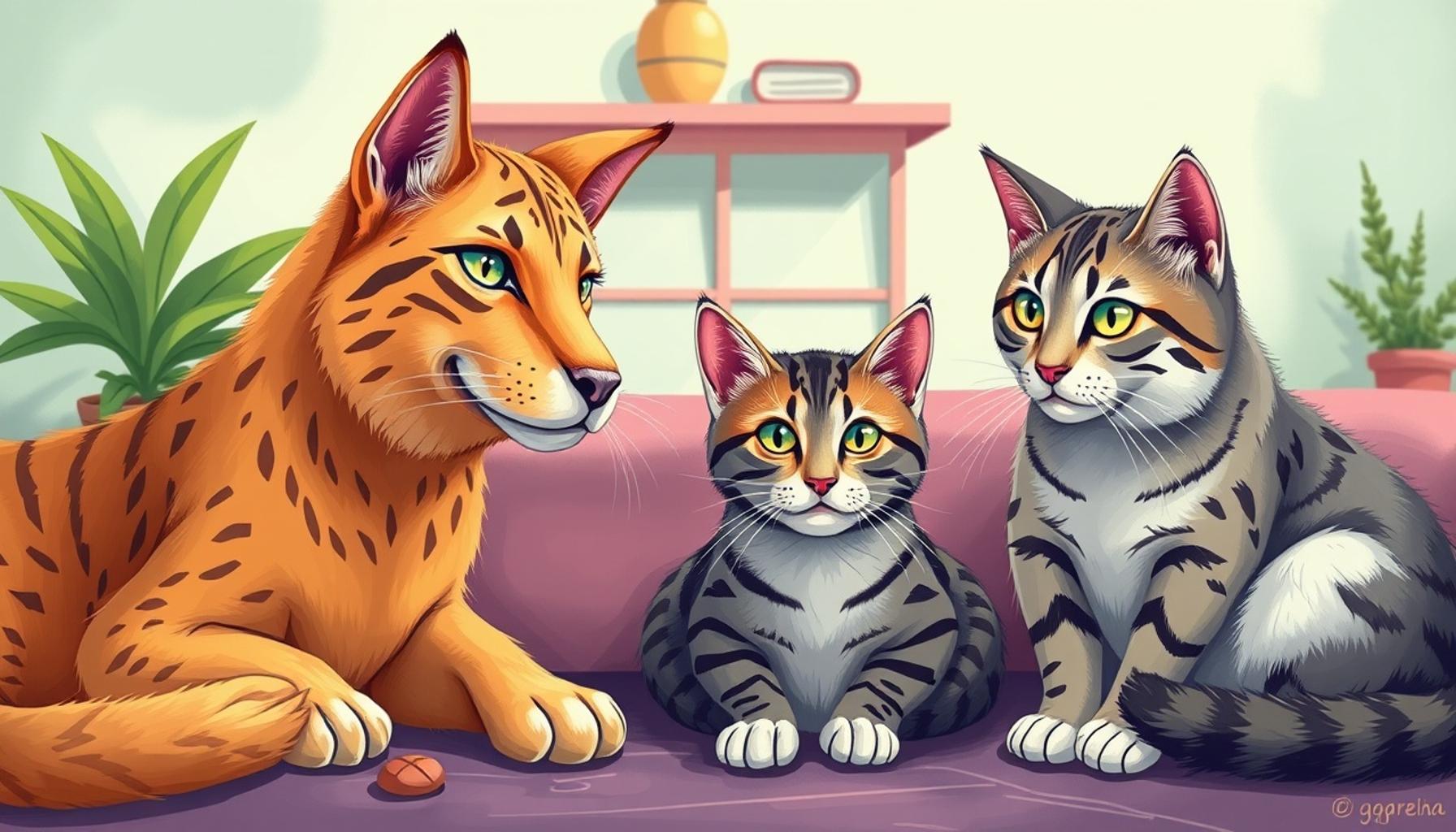
The Impact of Socialization on the Formation of Cat Behavior

The Importance of Early Socialization for Cats
Most cat owners have experienced the curious personality differences present in their feline companions. These variations in behavior can often be traced back to the socialization process they undergo during their formative months. Socialization plays a crucial role in shaping how cats interact with humans, other animals, and their environment. Understanding the intricacies of this process helps pet owners foster a healthier and more fulfilling relationship with their cats.
During the early stages of a cat’s life, which typically ranges from two to nine weeks, particular factors significantly influence their development:
- Exposure to different environments: Kittens raised in diverse settings are usually more adaptable. For instance, a cat that experiences a variety of household noises, such as vacuum cleaners, children’s laughter, or doorbells, tends to be less startled by similar sounds as adults. This adaptability can be crucial when they encounter the bustling sounds of a busy household or neighborhood.
- Interaction with various people: Regular human contact is essential in fostering trust and reducing fear. Kittens that meet different personalities, including gentle kids and more assertive adults, often learn to navigate social nuances, which greatly influences their behavior in human interactions later in life. This could mean the difference between a cat that hides when guests arrive and one that greets new faces at the door.
- Play with other cats: Engaging with peers can enhance social skills and confidence. Social playtime helps kittens learn important cues such as bite inhibition and understanding body language, facilitating healthier relationships with both humans and other animals as they mature.
As surprising as it may seem, the absence of proper socialization can lead to negative outcomes:
- Fear-based behavior: Cats that lack social exposure may exhibit fear-driven aggression or extreme skittishness when confronted with new stimuli. For example, a cat that has never been outside may become excessively frightened by a simple task like a trip to the vet.
- Difficulty in bond formation: Socially untrained cats often struggle to connect with their owners. This can manifest as reluctance to be petted or played with, causing frustration for owners hoping for a close companionship.
- Ongoing behavioral issues: Poor socialization can result in long-term psychological challenges such as anxiety or excessive territoriality, which may require behavioral therapy to manage effectively.
Recognizing the significance of socialization in a cat’s life presents a unique opportunity for pet owners. By investing time in their kittens’ social development, they are not just cultivating affectionate companions but also enhancing animal welfare. Engaging in activities such as kitten classes or supervised playdates with other animals can have a lasting positive impact on behavior. In doing so, they can ensure that their beloved cats grow up to be well-adjusted members of the family, ready to thrive in a variety of environments and circumstances.
The impact of early social interactions is profound. It leads us to explore how we can implement these strategies effectively and what resources are available for new cat owners to create an enriching environment for their pets. Understanding these dynamics not only enriches the relationship between cats and humans but also encourages better animal welfare practices across communities.
DISCOVER MORE: Click here to learn how pets can foster healthy habits in kids
The Role of Socialization Techniques in Shaping Feline Behavior
Understanding the impact of socialization on cat behavior is not just a matter of curiosity; it is fundamental for fostering a harmonious relationship between pets and their owners. Socialization techniques implemented during crucial developmental stages can significantly affect how cats respond to their environment, engage with humans, and interact with other pets. One of the main objectives of early socialization is to create a well-adjusted, confident cat that can handle the stresses of everyday life, which ultimately leads to a more peaceful coexistence.
Socialization goes beyond mere exposure; it encompasses several components vital for emotional and behavioral stability. Here are some essential techniques that contribute to positive outcomes:
- Controlled Exposure: Introducing kittens to various sounds, sights, and textures in a controlled manner helps prevent future fears. For instance, gradually exposing them to the sound of a washing machine or different types of flooring can prepare them for the routine experiences of home life. This methodical exposure lays the groundwork for adaptable behavior.
- Positive Reinforcement: Utilizing treats and praise during socialization can encourage kittens to associate new experiences with positive emotions. For instance, if a kitten encounters a new person, rewarding them with a snack can forge a connection between social interactions and pleasure. This approach reinforces a cat’s willingness to engage with both new experiences and people.
- Social Surprises: Creating unexpected yet safe experiences can enhance a kitten’s adaptability. Introducing soft toys that mimic other animals or gentle encounters with friendly adult cats can construct valuable mental associations. These experiences enable young cats to approach new situations with curiosity rather than fear.
Moreover, the socialization process is not solely dependent on human intervention. The role of kitten-mother bonding is equally vital. Kittens learn a great deal from their mothers during their early weeks, including essential survival skills and social behaviors. A mother cat teaches her kittens to groom themselves, moderate their play, and recognize social hierarchies among feline companions. However, when kittens are separated from their mothers too early, they may miss out on critical lessons that influence their behavior as they mature.
Regrettably, the absence of proper socialization techniques can lead to a multitude of behavioral problems. Kittens devoid of positive interactions may develop traits such as:
- Increased Aggressiveness: Cats that missed out on early social experiences may display aggression as a defense mechanism, often reacting negatively to new people or pets.
- Overly Cautious Nature: A lack of early exposure can lead to skittish behavior when faced with ordinary household activities. Such cats may flee or hide at sudden movements or sounds, significantly impacting their integration into family settings.
- Heightened Anxiety Levels: Adverse experiences or insufficient social stimuli may result in chronic anxiety, leading to problems like litter box aversion or excessive vocalization.
The implications of these behaviors underscore the necessity of early socialization techniques, which serve not only to enhance the overall quality of life for feline companions but also reinforce strong bonds between cats and their owners. As we further delve into the dynamics of cat behavior, it becomes clear that investing in the social development of kittens is crucial for cultivating a loving and balanced home environment.
| Category | Details |
|---|---|
| Social Exposure | The extent to which a kitten interacts with different people, animals, and environments. |
| Enhanced Behavior | Positive socialization promotes confidence, reduces anxiety, and helps develop well-adjusted behavior in cats. |
| Play Interaction | Engaging in play with humans and other animals teaches social cues necessary for communication. |
| Behavioral Benefits | Effective socialization leads to reduced aggression, increased adaptability, and enriched emotional health. |
Cats, much like humans, benefit significantly from early socialization experiences, shaping their interactions and responses to various stimuli throughout their lives. Proper socialization not only equips cats with the skills to navigate their environments but also fosters positive relationships with their human companions and fellow pets. Observational studies in feline behavior show that sociable cats tend to exhibit lower stress levels and heightened playfulness, creating an enriched living experience for both the cat and its owner. Engaging in structured socialization campaigns can further enhance these outcomes, ensuring that our feline friends lead happy, balanced lives. Understanding the implications of socialization on cat behavior is critical for pet owners and breeders alike, paving the way for proactive behavioral training strategies that benefit both parties.
DIVE DEEPER: Click here to learn about the benefits of animal-assisted therapy
The Critical Period of Socialization: Timing is Everything
The critical period of socialization for kittens, often referred to as the “socialization window,” typically spans from 2 to 9 weeks of age. During this time, the experiences that kittens encounter profoundly influence their behavior as they mature into adult cats. Research has shown that this timeframe is pivotal for developing social skills, emotional resilience, and adaptability. Therefore, it’s essential for cat owners to seize the opportunity during these formative weeks to expose their kittens to varied stimuli and interactions in a supportive manner.
One noteworthy aspect is that socialization is not just about immediate interactions; it can have lasting effects that manifest in adulthood. For instance, kittens that are introduced to diverse human environments—including children, seniors, and those of different ethnic backgrounds—are generally more accepting of humans as adults. This early exposure helps them foster positive associations with unfamiliar faces and settings. Studies have indicated that cats socialized in such enriching environments are less likely to display defensive behaviors or show fear when encountering new people later on.
The Power of Play in Social Development
Play is another fundamental component in the socialization process. Through play, kittens learn invaluable lessons about hunting, offense, and defense—all crucial skills for survival in the wild. Interaction with siblings during playtime also assists in developing their understanding of social hierarchies and boundaries. Cats that engage in rough-and-tumble play with their littermates learn how to gauge others’ responses to their behavior, which aids in mastering acceptable play levels with humans. Consequently, cats that receive ample opportunities for positive play experiences are less likely to demonstrate aggression during interactions, as they have already learned the nuances of social communication.
However, the degree of play and interaction achieved can differ significantly based on the environments that kittens are raised in. For example, kittens that grow up as feral may have ample playtime with their littermates but may lack exposure to humans, leading to a strong fear response when faced with unfamiliar company. On the other hand, those raised in a nurturing home often experience both peer-to-peer play and beneficial interactions with humans, resulting in well-adjusted adult cats.
Environmental Enrichment and Its Impact
Another significant factor in the socialization equation is the provision of an enriched environment. An environment filled with stimulating sights, sounds, and activities fosters exploration and curiosity in young cats while diminishing the likelihood of anxiety and aggression in response to new experiences. Items like scratching posts, climbing trees, and interactive toys not only provide entertainment for felines but also allow them to engage with their surroundings in diverse ways, transforming their perspective towards new encounters.
Moreover, the concept of “safe spaces” in the home is vital. A quiet corner equipped with a cozy blanket or a hidey-hole can allow kittens to retreat during overwhelming moments, promoting confidence in their ability to self-regulate their interactions. It’s crucial for cat owners to recognize when their pets need a breather from the social stimuli and provide them with a sanctuary where they can feel secure and calm.
The Human Element: Owner Responsibility in Socialization
The responsibility of socialization does not rest solely on the shoulders of the kitten’s mother or its environment; owners play an integral role as well. Responsible cat owners must actively engage in the socialization process, ensuring that their kittens have access to diverse environments and positive interactions. This also includes understanding the best techniques for socialization, responding to their cues, and recognizing any signs of distress or discomfort during these interactions.
In a world where cat ownership is ever-present, recognizing the nuances in kitten socialization can lead to happier, healthier feline companions. Owners equipped with this knowledge can help guide their kittens into becoming well-rounded adult cats ready to thrive in their homes and beyond.
DISCOVER MORE: Click here to learn how pets can alleviate stress
Conclusion: Nurturing Lifelong Feline Companions
In summary, the impact of socialization on the formation of cat behavior is profound and multifaceted, playing a critical role in shaping well-adjusted adult cats. The early weeks of a kitten’s life are not only crucial for building their social skills and emotional resilience but also for establishing positive associations with varied stimuli and environments. Engaging play and enriched surroundings are fundamental in this developmental phase, allowing young cats to learn essential life skills while facilitating their interaction with both peers and humans.
Moreover, the responsibility of socialization transcends mere chance encounters and experiential exposure; it calls for an active commitment from cat owners. Those who understand the importance of nurturing a kitten’s socialization journey can create a safe space for exploration, learning, and growth. This isn’t just about immediate interactions, as the social behaviors cultivated during the critical period can yield lifelong benefits, determining how cats respond to new experiences and influences well into adulthood.
Therefore, we encourage cat owners to educate themselves on effective socialization strategies and to implement these insights into their daily routines. Advocating for a proactive approach in the early stages of a cat’s life can lead to richer, more fulfilling relationships between cats and their human companions. As we deepen our understanding of feline behavior through socialization, let us recognize that our influence during a kitten’s formative weeks paves the way for happier, more confident cats capable of thriving in diverse environments.

Linda Carter
Linda Carter is a writer and pet care expert specializing in pet health, grooming, and wellness. With extensive experience helping pet owners create safe, loving, and enriching environments for their animals, Linda shares her knowledge on our platform. Her goal is to empower readers with practical advice and strategies to ensure their pets thrive and lead joyful, healthy lives.