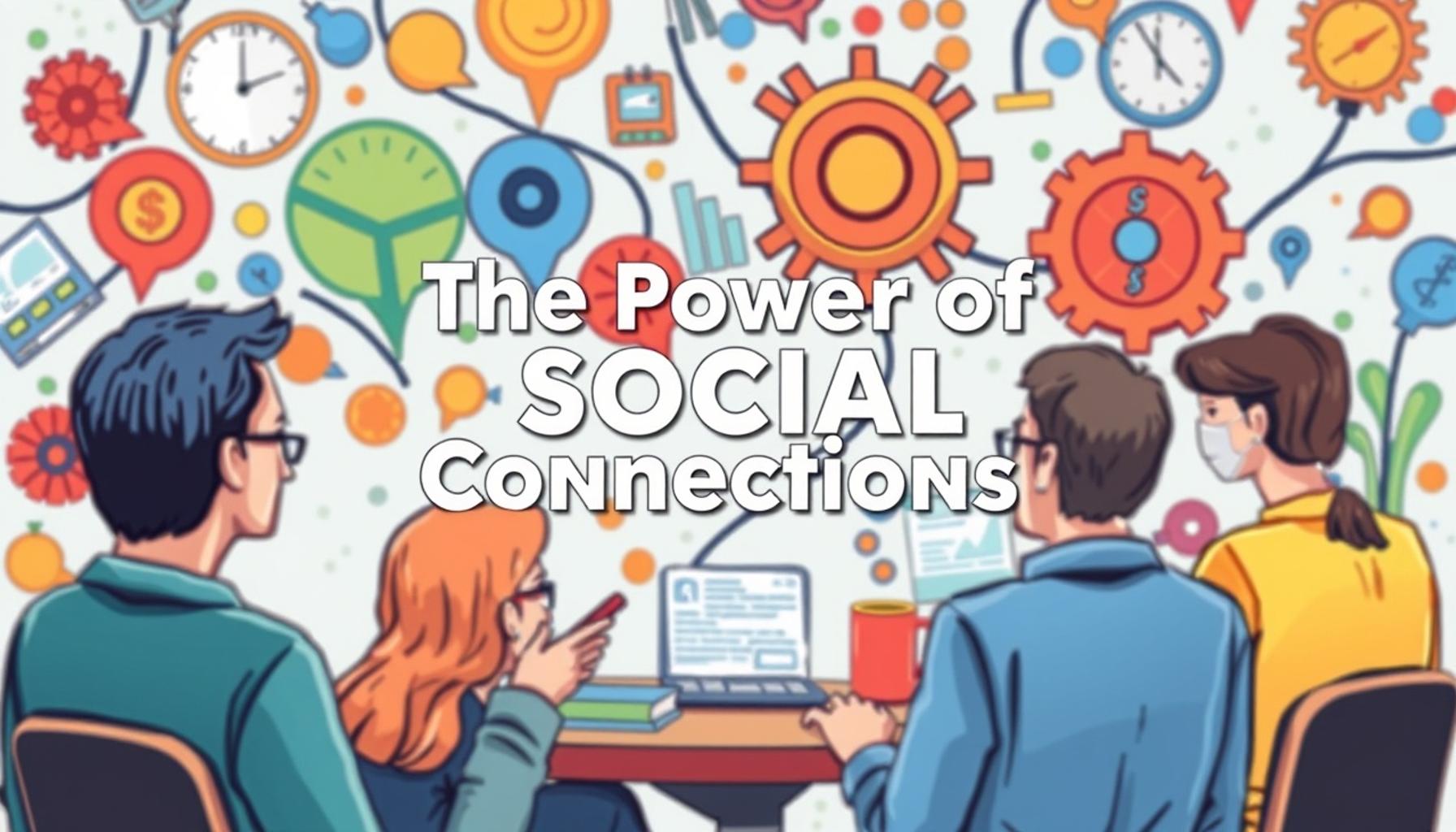
The Power of Social Connections: Building a Support Network for Stress Management
The Importance of Social Connections
In an increasingly fast-paced world, stress has become a common companion for many. Surprisingly, one of the most effective strategies for managing stress lies in the realm of social connections. Building a robust support network can be a game-changer, enabling individuals to navigate life’s pressures more effectively.
Understanding the Benefits
Social connections do more than just provide companionship; they actively contribute to our mental well-being. By fostering strong relationships, individuals can experience a wealth of benefits that extend beyond mere emotional reassurance. Consider the following:
- Emotional Support: Sharing your feelings with trusted individuals can alleviate feelings of isolation and despair. Whether through a simple chat with a friend or a much-needed hug from a loved one, this form of support can significantly lower stress levels. Studies suggest that individuals who maintain emotional ties with others generally have lower cortisol levels, which is a key hormone associated with stress.
- Practical Assistance: Friends and family can offer help during challenging times, easing burdens. For example, a reliable neighbor might lend a hand with grocery shopping during illness, providing both tangible and emotional benefits. During crises, the contributions of a support network can make overwhelming situations more manageable and can even foster a sense of belonging.
- Positive Influences: Supportive peers encourage healthier coping strategies and behaviors. When surrounded by individuals who prioritize wellness, such as engaging in physical activities or practicing mindfulness, it can inspire similar choices in one’s own life, creating a positive feedback loop of support and growth.
Research indicates that having a network of reliable connections significantly reduces stress levels. For instance, individuals who engage in regular social activities, such as attending community gatherings or connecting through shared hobbies, report lower instances of anxiety and depression. According to the American Psychological Association, social support is linked to not just improved mental health, but also greater physical health outcomes.
The Role of Community
In the United States, where community engagement plays a pivotal role, fostering these connections can occur through various avenues. Communities across the country have devised numerous ways to bring people together:
- Support Groups: These provide a safe space to share experiences, whether dealing with grief, addiction, or chronic illness. Local health organizations often host these groups, allowing individuals to connect with others who understand their struggles, which can greatly enhance healing and recovery.
- Community Events: Participating in local activities like farmers’ markets, festivals, or volunteer opportunities helps forge bonds with others. These events create spaces for casual encounters, leading to unexpected friendships and a stronger sense of community cohesion.
- Online Communities: Virtual groups and forums can connect people with similar interests across vast geographical distances. This is particularly relevant in the age of technology, where platforms dedicated to various niches allow individuals to find solace and camaraderie in shared passions, from book clubs to gaming.
Harnessing the power of social connections can transform how we manage stress, illuminating paths to greater resilience and well-being. By actively nurturing these relationships—either in person or through digital platforms—individuals can expect to see lasting improvements not only in their mental health but in their overall life satisfaction. Exploring opportunities to connect with others may reveal the most effective antidote to stress in today’s busy world.
Nurturing Relationships for Enhanced Well-Being
To grasp the full impact of social connections on stress management, it’s essential to truly understand how these relationships contribute to our overall well-being. When we cultivate meaningful relationships, we unknowingly arm ourselves with tools to combat stress. The act of building and maintaining these connections is more than just ensuring we are not alone; it can transform our approach to life’s challenges, enhancing resilience and promoting emotional wellness.
Strengthening Bonds for Resilience
Social bonds can be a fortress against the winds of stress. They fortify our mental resilience and allow us to withstand life’s trials with a sense of security. Let’s delve into how nurturing relationships can bolster our ability to manage stress:
- Increased Sense of Belonging: By maintaining connections, individuals often feel a stronger sense of belonging. This can mitigate feelings of loneliness and anxiety – two significant contributors to stress. When we know there are people who care for us, it creates a safety net where we can express vulnerabilities and seek support without hesitation.
- Opportunities for Perspective: Friends and family can provide fresh perspectives on our problems. When stress arises, having someone to discuss challenges with can shed light on aspects we may overlook, opening pathways to solutions we hadn’t considered. This collaboration can reduce the weight of stress, yielding new coping mechanisms and strategies.
- Increased Motivation: Our support networks can act as motivators, encouraging us to pursue healthier habits and tackle challenges with a positive outlook. When we surround ourselves with individuals who promote wellness and positivity, it spurs us toward better decisions, whether it’s sticking to a new exercise routine or engaging in stress-relief practices like meditation.
Numerous studies reinforce the idea that strong social ties can act as a buffer against stress. For instance, research published in the Journal of Health and Social Behavior revealed that individuals with enriching relationships not only report lower stress-related health issues but also exhibit higher levels of happiness and satisfaction in life. Meanwhile, a study from the National Institute of Mental Health shows that isolation can exacerbate stress responses, ultimately leading to physical health complications.
Creating Your Support Network
The first step in managing stress through social connections is recognizing the potential of your existing relationships while being open to new ones. Here are some strategies to enhance your social network:
- Reaching Out: Don’t hesitate to initiate contact with friends or acquaintances. A simple message or call can pave the way for rekindling old relationships or strengthening current ones.
- Engage in New Activities: Join clubs, fitness classes, or groups focused on hobbies you enjoy. Such environments not only entertain but also foster connections with others who share similar interests.
- Show Appreciation: Take the time to express gratitude towards those in your life. Acknowledging their support can deepen connections, thus enhancing emotional ties that are pivotal to stress management.
Exploring and investing in these social connections can champion your journey toward a more joyful and balanced life, making stress easier to manage. As we venture into the requirements for building an effective support network, it becomes increasingly clear that emotional and practical support from our connections can serve as one of the best antidotes for the pressures we face each day.
The Importance of Social Connections in Stress Management
In our fast-paced world, the struggles of daily life can often lead individuals to feel overwhelmed. Stress management is crucial in maintaining both mental and physical well-being. One of the most effective strategies for managing stress is through the cultivation of social connections and the establishment of support networks. Having a reliable support system serves as a buffer against stress. Studies have shown that individuals with strong social ties experience lower levels of stress and anxiety. Their friends, family, and community networks not only provide emotional support but also offer practical resources such as advice, companionship, and a sense of belonging. Furthermore, engaging in social activities can enhance mood and foster resilience. When facing challenges, knowing that your support network is there can significantly improve your outlook on life. Regular interactions with friends, family, or support groups also create opportunities for sharing experiences and coping strategies, reinforcing a sense of community that is vital for mental health.Importantly, the quality of relationships matters more than the quantity. Deep, meaningful relationships often provide greater emotional support and understanding. Feeling safe to express vulnerabilities within a trusted network can facilitate healing and stress relief, making it crucial to nurture these connections. In exploring the benefits of social connections, it becomes evident that they play a key role not only in stress management but also in enhancing overall well-being. Building a support network is thus an essential endeavor for anyone seeking to mitigate the effects of stress in their lives.
| Advantages | Description |
|---|---|
| Stress Buffering | Having a support network provides essential emotional resilience, helping individuals cope with stressors effectively. |
| Increased Well-Being | Strong social ties are linked to lower instances of mental health issues and a greater sense of happiness and life satisfaction. |
| Shared Experiences | Engaging with others allows individuals to exchange coping strategies, reducing feelings of isolation. |
| Encouragement and Motivation | A supportive network encourages individuals to pursue goals, fostering a proactive approach to stress management. |
By understanding and leveraging the power of social connections, individuals can enhance their tools for managing stress effectively.
The Role of Community in Stress Reduction
Beyond individual relationships, the concept of community plays a vital role in shaping our psychological landscape and capacity to manage stress. Communities, whether built around neighborhoods, workplaces, or shared interests, serve as ecosystems that provide emotional sustenance and practical tools for navigating life’s ups and downs.
The Impact of Shared Experiences
Communities offer individuals not just companionship, but a sense of shared experience that can alleviate stress. Engaging with others who face similar challenges can serve as a powerful reminder that we are not alone in our struggles. For example, support groups for mental health, chronic illness, or grief create environments where individuals can openly share their experiences and coping strategies. This not only fosters empathy but also produces a collective resilience that makes the burdens of stress more manageable.
- Mutual Support Systems: In a community setting, members often rally together to support one another during difficult times. This mutual aid creates an emotional and practical safety net. For instance, community-driven initiatives like meal trains or help with child care during stressful life transitions can significantly reduce the individual’s burden.
- Shared Resources: Communities often come equipped with local resources designated for stress relief and personal growth, ranging from wellness workshops to recreational activities. By taking advantage of these community offerings, individuals can find new avenues for stress management, whether through physical activities, mindfulness sessions, or even educational programs aimed at enhancing life skills.
- A Sense of Agency: Being part of a community can heighten one’s sense of agency. When people feel empowered to contribute to their laid foundations, it boosts self-esteem and provides a proactive approach to stress management. Volunteering or participating in community events not only cultivates social connections but also reinforces an individual’s value within the group.
Harnessing Technology for Connection
In today’s digital age, technology has emerged as a significant facilitator for building and maintaining relationships and communities. Social media platforms, online forums, and messaging apps have revolutionized how we connect, making it easier to stay in touch regardless of geographical distance. Virtual connections can be just as impactful as face-to-face interactions, particularly for those who may find it challenging to venture out due to physical constraints or social anxiety.
- Online Support Groups: Websites and social media groups dedicated to a myriad of issues – be it mental health, fitness, or parenting – are proliferating. These online communities are invaluable in providing support and resources, allowing individuals to share experiences and learn from one another.
- Webinars and Virtual Meetups: Many organizations host virtual workshops and meetups, providing access to expert advice and a chance to connect with like-minded individuals. These events create feelings of community and belonging that are essential for combating isolation and stress.
As we embrace the interconnectedness provided by technology, it becomes increasingly evident that building a robust support network is essential in managing stress effectively. By leveraging both physical and virtual communities, individuals can tap into reservoirs of support, encouragement, and shared wisdom, allowing them to navigate life’s stressful moments with greater ease and resilience.
Conclusion: Embracing Connections for a Healthier Mind
In our fast-paced world, the necessity of social connections in mitigating stress cannot be overstated. Whether through engaging with a local community or fostering online relationships, the act of building a support network serves as a potent buffer against the trials of daily life. Communities provide a sense of belonging, shared experiences, and a plethora of resources that enhance individual resilience.
The role of technology in strengthening these bonds offers new avenues to cultivate relationships, regardless of geographical boundaries. Online support groups and virtual meetups have democratized access to community support, allowing individuals to connect, share, and grow together, even from the comfort of their homes. This hybrid approach not only alleviates feelings of isolation but also enriches our perspectives as we encounter diverse viewpoints.
Ultimately, embracing the power of social connections lays the foundation for effective stress management. Each connection we nurture contributes to a more robust emotional safety net, which allows us to cope with life’s challenges more adeptly. As we continue to explore the breadth of our support networks—both in-person and virtual—we equip ourselves with valuable tools that foster resilience, encourage personal growth, and enhance our overall well-being.
Let us remember that in building these connections, we are not only easing our own burdens but also empowering others to share in the journey. The most remarkable aspect of social connections is their dual capacity to lift ourselves while supporting those around us—creating a more compassionate and respectful world.

Linda Carter
Linda Carter is a writer and wellness enthusiast specializing in healthy habits, balanced living, and personal well-being. With extensive experience creating practical content that helps readers improve their daily routines, Linda shares insights on our platform to inspire healthier choices. Her goal is to empower readers with simple advice and effective strategies to build a more balanced, mindful, and fulfilling life.