
The Benefits of Sleep Hygiene in Managing Stress Levels
Exploring the Role of Sleep Hygiene in Managing Stress
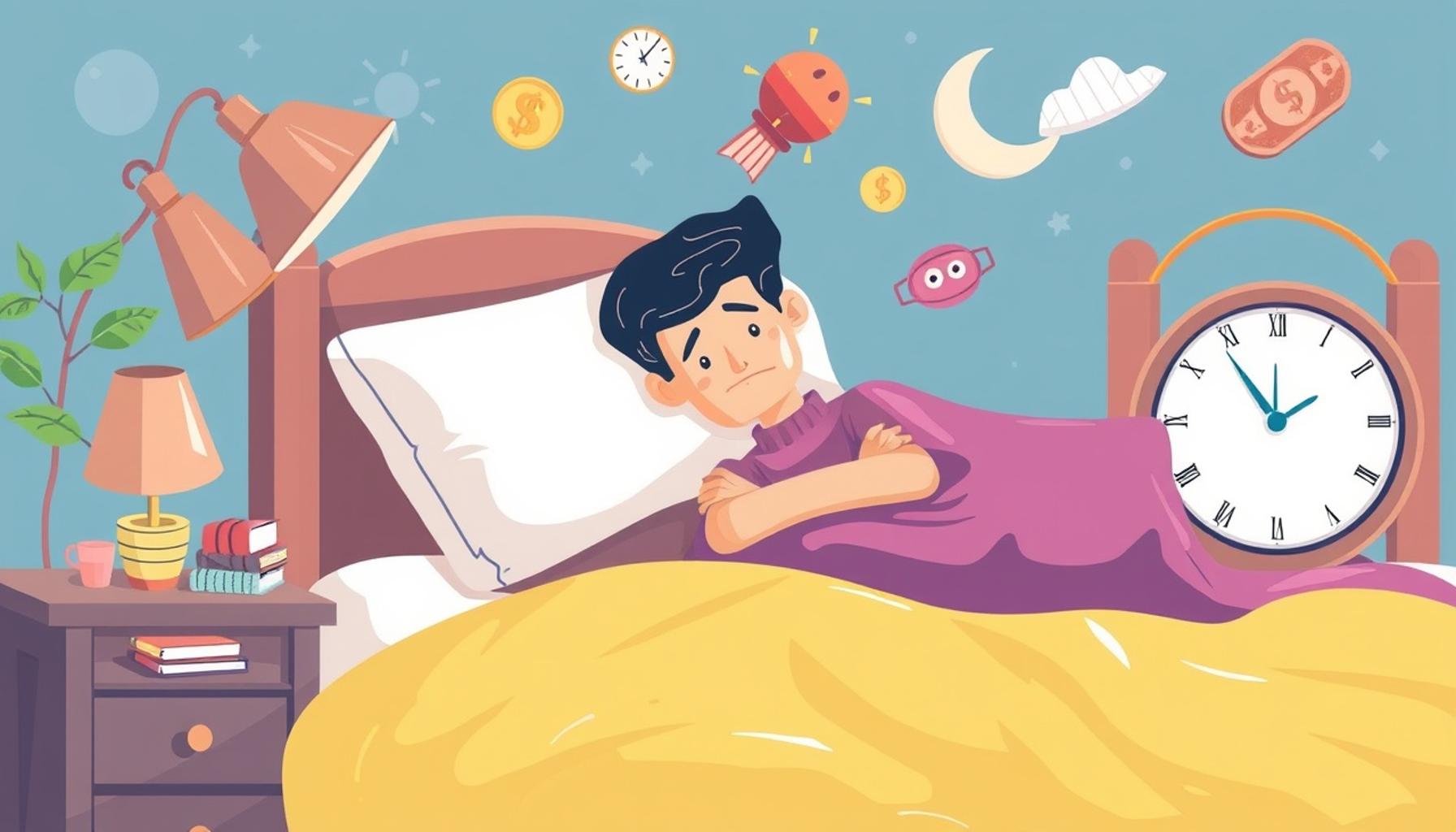
In the relentless pace of modern life, numerous individuals grapple with the persistent challenge of stress, which can feel like a shadow looming over daily activities. One effective, yet often overlooked, strategy for managing this stress is to focus on achieving a good night’s sleep. Sleep hygiene encompasses a variety of practices and habits designed to improve sleep quality. By prioritizing sleep hygiene, individuals can effectively mitigate stress levels and enhance their overall well-being.
Let’s further examine the components that constitute proper sleep hygiene:
- Consistent Sleep Schedule: Establishing a routine by going to bed and waking up at the same times every day is crucial. This practice not only strengthens your body’s circadian rhythm but also fosters better sleep consistency. Studies show that people who maintain regular sleep schedules experience less anxiety and a more stable mood.
- Creating a Sleep-Friendly Environment: Your bedroom should serve as a sanctuary for rest. This means keeping the room cool, quiet, and dark. For instance, using blackout curtains can block outside light, while white noise machines can drown out disruptive sounds, creating an ideal setting for uninterrupted sleep.
- Limiting Stimulants: Caffeine, nicotine, and heavy meals—especially in the hours leading up to sleep—can hinder your ability to fall asleep quickly and may lead to fragmented sleep. Additionally, reducing screen time from electronics at least an hour before bed can decrease exposure to blue light, which has been shown to interfere with melatonin production, the body’s natural sleep hormone.
Numerous studies validate the connection between enhanced sleep hygiene and improved mental health outcomes. Sleep is not merely a passive state; it’s crucial for cognitive function, emotional regulation, and overall health. For example, a well-rested individual is generally better equipped to handle stressors effectively, leading to more informed decision-making and increased resilience. Mental health professionals often emphasize the significance of sleep in their treatment plans for anxiety and depression, highlighting sleep’s restorative properties.
The question arises: how does improving your sleep translate to lowered stress levels? When sleep quality improves, so does your body’s ability to manage stress hormones such as cortisol. A good night’s rest helps in reinforcing neural connections associated with emotional stability, improving problem-solving skills, and enhancing resilience against stress. Transitioning lifestyle habits to support sleep hygiene can lead to a noticeable difference in how one experiences and copes with daily stressors.
Improving your sleep hygiene is not merely a personal endeavor but a proactive step towards fostering a healthier relationship with stress. Given the complexities of everyday life in the United States, prioritizing sleep as a vital component of holistic health can yield profound benefits, aiding in the management of stress while enhancing overall quality of life.
The Impact of Sleep Hygiene on Stress Regulation
A thorough understanding of sleep hygiene reveals its profound influence on stress management. Sleep isn’t just about recovering physical energy; it plays a crucial role in emotional and cognitive health. When an individual adheres to good sleep hygiene practices, the quality of rest improves, fostering a more resilient approach to life’s challenges.
To grasp the significance of sleep hygiene, consider the following factors that illustrate its benefits in managing stress:
- Enhanced Cognitive Function: Quality sleep enhances cognitive performance, including attention, memory, and problem-solving abilities. A well-rested brain is more adept at forming connections and integrating new information. This can lead to increased creativity and clearer thinking under pressure, allowing individuals to approach stressors with innovative solutions.
- Greater Emotional Stability: Lack of sleep can exacerbate feelings of irritability and overwhelm. Conversely, those who practice good sleep hygiene are more emotionally stable and better equipped to regulate their moods. This balance is critical in responding to daily stressors and achieving a sense of calm amidst chaos.
- Improved Physical Health: The connection between sleep and physical well-being is undeniable. Poor sleep has been linked to various health issues such as obesity and heart disease, which can contribute to heightened stress levels. On the other hand, adequate rest promotes physical recovery and strengthens the immune system, equipping the body to handle stress more effectively.
- Lower Cortisol Levels: Research consistently shows that sleep deprivation leads to increased cortisol, the body’s primary stress hormone. By prioritizing sleep hygiene, individuals can maintain balanced cortisol levels, mitigating the physiological effects of stress on the body.
Recognizing the link between quality sleep and stress management invites individuals to adopt healthier sleep practices. For example, creating a relaxing pre-sleep routine, such as engaging in light stretching, meditation, or reading, signals to the body that it’s time to wind down. Such routines not only prepare the mind for sleep but also cultivate a sense of control that can be vital for stress alleviation.
In addition to personal benefits, societal implications arise when communities prioritize sleep hygiene. With a growing awareness of mental health in the United States, workplace initiatives promoting sleep health can lead to reduced absenteeism and increased productivity. Employees are more likely to thrive in environments that support adequate sleep, ultimately fostering a culture of resilience.
Given the widespread issue of stress in contemporary American life, sleep hygiene emerges as a potent ally. As more individuals recognize the power of quality sleep in mitigating stress, the collective consciousness around mental health can shift positively. Embracing these practices not only enhances personal well-being but also encourages a broader cultural change towards prioritizing health and stability.
The Benefits of Sleep Hygiene in Managing Stress Levels
In today’s fast-paced world, maintaining healthy sleep hygiene has become a vital aspect of managing stress levels effectively. Poor sleep can exacerbate stress, leading to a cycle that affects both mental and physical well-being. By implementing simple yet effective strategies, individuals can significantly enhance their sleep quality and, consequently, their ability to handle stress. Below, we explore the advantages of adopting a solid sleep hygiene routine.
| Advantage | Description |
|---|---|
| Improved Mood Regulation | Adequate sleep aids in stabilizing emotions, reducing irritability, and enhancing overall mood, which is critical for effective stress management. |
| Enhanced Cognitive Function | Good sleep hygiene optimizes brain function, leading to better decision-making and problem-solving capabilities, which can directly reduce stress levels. |
By focusing on sleep hygiene practices, such as creating a consistent sleep schedule, reducing screen time before bed, and creating a relaxing bedtime routine, individuals can enhance their overall health. It’s essential to recognize that the benefits extend beyond just sleep; they reach every corner of life affected by stress.
Practical Strategies for Improving Sleep Hygiene
Implementing effective sleep hygiene practices can dramatically enhance one’s capacity to manage stress, allowing individuals to cultivate a restorative sleep environment and routine. Let’s explore some practical strategies that can help optimize sleep hygiene:
- Consistent Sleep Schedule: One of the most effective methods for improving sleep quality is to establish a regular sleep schedule. Going to bed and waking up at the same time every day, even on weekends, helps regulate the body’s internal clock. This practice can significantly enhance the quality of sleep, leading to greater resilience against stress.
- Comfortable Sleep Environment: The ambience and comfort of the bedroom play a pivotal role in promoting quality sleep. Creating a dark, cool, and quiet space can minimize disruptions that may interfere with deep sleep cycles. Consider investing in blackout curtains, earplugs, or white noise machines, which can be especially helpful for those living in urban environments where outside noise is prevalent.
- Limit Exposure to Screens: It’s no secret that screens emit blue light, which can interfere with melatonin production and disrupt sleep patterns. Limiting screen time at least an hour before bedtime can signal to the body that it’s time to wind down. Instead, indulge in relaxing activities such as reading a book or practicing mindfulness meditation.
- Mindful Eating and Drinking: The relationship between diet and sleep is significant. Consuming large meals, caffeine, or alcohol too close to bedtime can interfere with the sleep cycle. Instead, aim for a light evening snack if hunger strikes and avoid stimulants several hours before sleep. Incorporating calming herbal teas, such as chamomile, may aid in relaxation and promote sound sleep.
- Physical Activity: Engaging in regular physical activity has been shown to improve sleep quality while reducing stress levels. Aim for at least 30 minutes of moderate exercise most days, but take care to avoid vigorous workouts close to bedtime, as it may energize the body and hinder sleep.
In addition to these practices, maintaining social connections and engaging in positive relationships can further enhance resilience to stress. Connecting with family and friends provides emotional support that can mitigate anxiety and promote a healthier mindset, ultimately leading to better sleep quality.
The Role of Technology in Sleep Hygiene
As we navigate a tech-driven society, the role of technology in enhancing sleep hygiene cannot be overlooked. Numerous apps and devices claim to monitor sleep patterns and provide personalized tips for improvement. For instance, sleep trackers can analyze sleep cycles and help users identify potential areas for enhancing their sleep environment. However, while technology can provide valuable insights, reliance on devices can lead to increased anxiety about sleep, creating a paradoxical effect where individuals become more stressed over achieving “perfect” sleep.
Moreover, the growing trend of using sleep aids, such as white noise applications or sleep meditation apps, demonstrates how technology can support better sleep hygiene. Nevertheless, individuals should be cautious and prioritize natural sleep practices as the first line of defense against stress.
Ultimately, integrating these various strategies and tools into daily routines can pave the way for improved sleep hygiene, fostering an environment conducive to peaceful sleep and robust stress management. With a concerted effort towards prioritizing sleep, individuals can empower themselves to face life’s challenges with clarity and calmness.
Conclusion
In an increasingly fast-paced world, the significance of sleep hygiene in managing stress levels cannot be overstated. The cornerstone of effective stress management lies in our ability to cultivate healthy sleeping habits that foster restorative sleep. By implementing consistent sleep schedules, creating a comfortable sleep environment, limiting screen time, and practicing mindful eating and physical activity, individuals can build a robust framework for better sleep. This, in turn, enhances emotional resilience, allowing for more effective responses to daily stressors.
Moreover, as we harness the advantages of technology, it is essential to remain mindful of our reliance on sleep aids and tracking devices. Although they can complement our efforts, natural sleep practices should be prioritized as the first front against sleep disturbances. The synergy between improved sleep hygiene and emotional well-being opens new avenues for exploration, highlighting the profound connection between restorative sleep, stress reduction, and overall health.
Ultimately, it is a collective commitment to prioritizing sleep hygiene that empowers individuals to navigate life’s challenges with clarity and calmness. As further studies continue to unveil the intricate dynamics between sleep, stress, and health, there has never been a better time to invest in the wisdom of quality sleep. Embracing these strategies may very well be the key to unlocking a more balanced, fulfilling life.

Linda Carter
Linda Carter is a writer and wellness enthusiast specializing in healthy habits, balanced living, and personal well-being. With extensive experience creating practical content that helps readers improve their daily routines, Linda shares insights on our platform to inspire healthier choices. Her goal is to empower readers with simple advice and effective strategies to build a more balanced, mindful, and fulfilling life.