How Nonverbal Communication Between Owners and Pets Influences Animal Behavior
The Language of Connection
Every day, pet owners engage in a silent dialogue with their furry companions. This nonverbal communication plays a crucial role in shaping the behavior of pets, impacting their well-being and relationship with humans. The nuances of this communication can be as revealing as spoken language, often serving as a bridge between species.
Nonverbal cues between owners and pets can manifest in various forms, including:
- Body Language: Stance, posture, and movements can convey emotions and intentions. For instance, a dog may wag its tail vigorously while approaching its owner, suggesting eagerness and affection. Conversely, a cat with a puffed-up tail and arched back may be expressing fear or confrontation. Recognizing these cues allows pet owners to respond appropriately, thereby ascertaining a safe environment for their animals.
- Facial Expressions: Smiles, frowns, and eye contact can significantly influence a pet’s reactions. Research indicates that animals, particularly dogs, can discern human emotions through facial cues. A smiling face often elicits a friendly response from dogs, while a frown may cause them to feel anxious or nervous.
- Tone of Voice: While not purely nonverbal, the tone can affect how pets interpret messages. A soft, soothing voice can calm a frightened animal, while a sharp or loud tone may induce stress or fear. For example, calling a dog with a cheerful tone can elicit excitement, prompting it to come running, while a harsh tone may make it hesitant or withdrawn.
This intricate form of communication impacts various aspects of animal behavior, such as:
- Trust Levels: A relaxed owner can foster a sense of security in their pets. When pets perceive their owners as calm and approachable, they are more likely to engage in friendly behavior, reinforcing the bond of trust and companionship.
- Socialization: Positive interactions, such as gentle petting and playful gestures, encourage friendly behavior in pets. For example, a puppy exposed to different social settings and warm interactions may grow up to be well-adjusted, friendly, and confident in new environments.
- Training Success: Clear signals can enhance the learning process. Using consistent hand signals, along with verbal commands, can help pets understand expectations more effectively. Training sessions that incorporate both nonverbal cues and positive reinforcement yield much better results than those relying solely on commands.
As we delve deeper into the relationship between owners and pets, understanding these nonverbal cues can lead to a more harmonious coexistence. The more attuned an owner becomes to their pet’s silent communication, the better they can respond to their needs, ensuring not only a happy pet but also a fulfilling relationship for both. In a world where words often fail, the silent language of love and understanding speaks volumes, highlighting the unique bond shared between humans and animals.
DIVE DEEPER: Click here to learn more
The Impact of Body Language on Animal Behavior
Animal behavior is significantly shaped by body language, which can reveal a wealth of emotions and intentions between pet owners and their beloved companions. Pets, particularly dogs and cats, are incredibly observant and can pick up on the smallest physical cues from their owners. These cues, often unintentional, play a vital role in how pets interpret their environment and react to it.
For instance, a dog’s posture is a key indicator of its mood. A relaxed dog with a loose body and a wagging tail is sending signals of happiness and a desire for interaction. Conversely, a tense dog with a rigid stance may be feeling threatened or anxious. Understanding these subtle signals can empower owners to create a more nurturing atmosphere, fostering a sense of safety that encourages positive behavior in their pets.
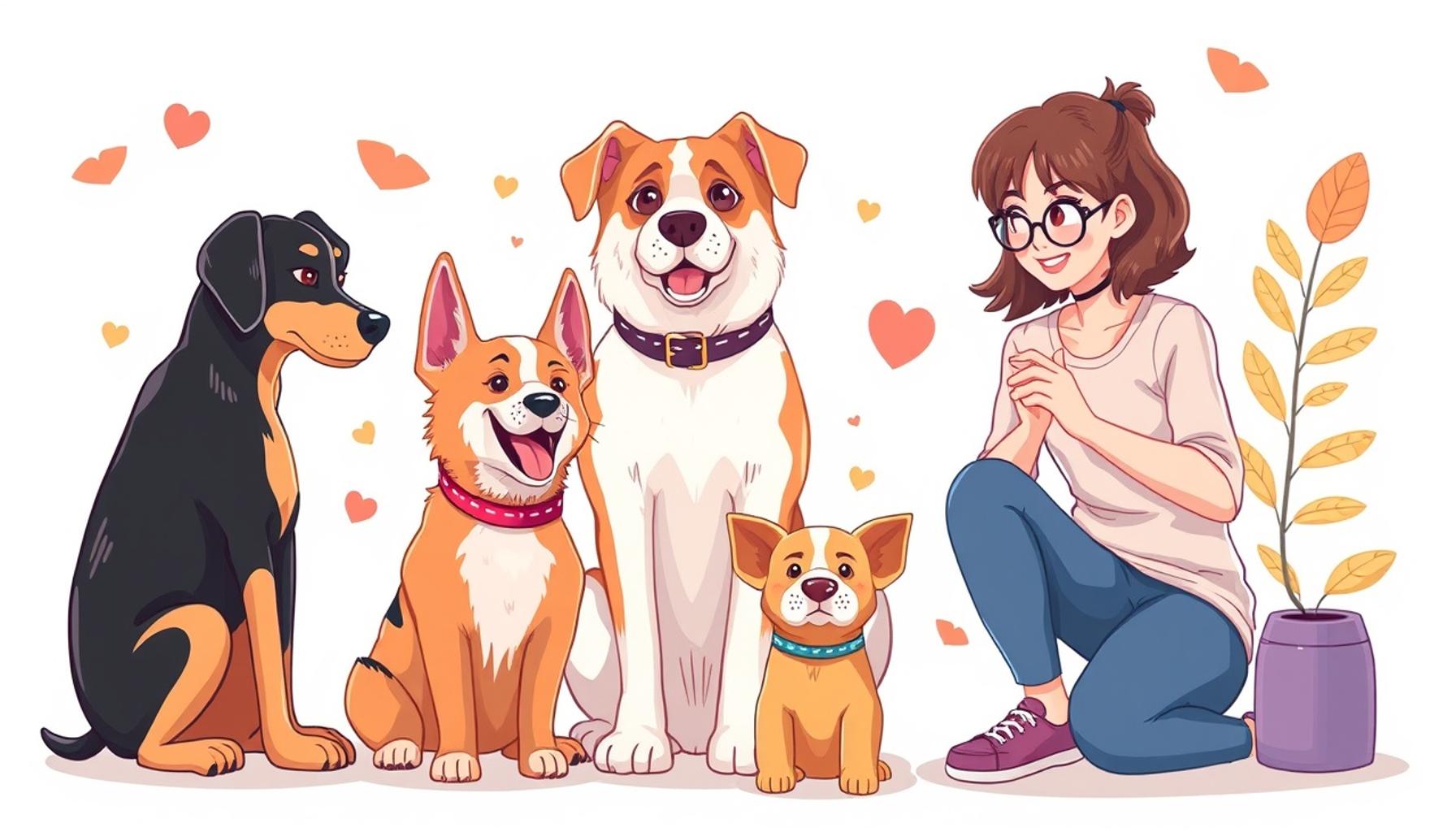
Additionally, a pet owner’s posture can affect a pet’s reaction. For example, if an owner leans down with open arms and a gentle demeanor, a pet is more likely to respond positively, while crossing arms or turning away can create an impression of unapproachability or disinterest. The simple act of kneeling to engage with a pet can significantly enhance the bond, making the pet feel valued and secure.
Recognizing Fear Signals
Fear can easily alter a pet’s behavior, leading to aggression or withdrawal. Recognizing fear signals in pets can be essential for modifying their behavior. For example, a cat that clings closely to the ground with its ears flattened is showing signs of fear. In such cases, responding with calmness and slow movements can help ease the animal’s anxiety. Understanding these nonverbal cues not only strengthens the owner-pet relationship but also ensures the safety of both parties.
The Role of Reassuring Touch
The power of touch cannot be underestimated in nonverbal communication. Gentle petting or caressing can convey support and reassurance, helping to quell a pet’s fears and fostering a sense of belonging. Research indicates that physical contact, such as belly rubs or gentle scritches, releases oxytocin, also known as the “love hormone” in both pets and owners, reinforcing the bond and encouraging affectionate behavior from pets in return.
Cues for Training and Discipline
Training pets effectively involves more than just verbal commands; it requires a keen understanding of nonverbal communication too. Employing consistent hand signals alongside verbal instructions can greatly enhance a pet’s learning process. For instance, a clear finger point towards the desired action, such as “sit” or “stay,” can help a dog understand what is expected more rapidly than words alone. Positive reinforcement paired with nonverbal cues establishes a clearer line of communication, making training sessions more productive and rewarding.
In summary, nonverbal communication serves as a foundational element in the owner-pet relationship. By paying attention to body language, touch, and the overall emotional atmosphere, pet owners can significantly influence their pet’s behavior, leading to a rewarding partnership based on trust and understanding. As we continue to explore the dynamics of this communication, it becomes evident that the silent signals exchanged between humans and animals create a bond that transcends words.
| Type of Nonverbal Communication | Impact on Animal Behavior |
|---|---|
| Body Language | Pets often mirror their owner’s posture and gestures, which can enhance trust and bonding. |
| Tone of Voice | The inflection and rhythms in an owner’s voice can guide pets’ responses, helping them understand commands and emotional cues. |
| Facial Expressions | A pet’s reaction to a human’s smile or frown can dictate their mood, influencing their feelings of safety or fear. |
| Touch | Pets perceive affection through petting or gentle touches, which can reassure them and reduce anxiety. |
Nonverbal communication encompasses a spectrum of interactions that profoundly shapes relationships between pets and their owners. Understanding how different forms of nonverbal cues influence animal behavior is crucial for any pet owner keen on enhancing their companionship and communication.The use of body language plays a significant role in mutual understanding. For instance, an owner’s relaxed posture may encourage similar behavior in their pets, fostering a sense of security. Moreover, an owner’s tone—whether soothing or commanding—can significantly impact a pet’s response, as animals are keenly aware of the subtleties in voice modulation. Research highlights the importance of facial expressions, revealing that pets often respond to their owner’s emotional states, thereby influencing their behavior positively or negatively. Touch, often underestimated, serves as a powerful tool for connection. It is not merely about physical affection; each stroke and caress communicates care and safety, reducing stress levels in pets. Hence, recognizing and mastering these nonverbal communication methods can lead to a deeper understanding and enhanced behavior in pets, ultimately enriching the owner-pet bond.
DISCOVER MORE: Click here to learn how pets can foster healthy habits
The Influence of Eye Contact and Facial Expressions
Eye contact and facial expressions serve as potent forms of nonverbal communication between pets and owners. The way we look at our pets can convey a wealth of emotions, from joy and affection to disappointment or anger. For example, prolonged eye contact, especially when accompanied by a soft smile, can create a sense of intimacy and security for pets. Dogs, in particular, are known to react positively to their owners’ gaze, often mirroring expressions of happiness. This mutual exchange can strengthen the emotional connection and enhance the pet’s overall behavior.
On the flip side, a stern or unapproachable expression combined with direct eye contact can elicit fear or anxiety in a pet. Studies suggest that animals interpret the nuances of human facial expressions to gauge emotional states. This means that an owner’s facial expressions can significantly influence a pet’s response; a cheerful demeanor invites playfulness, while a tense face may provoke caution or withdrawal. Thus, being mindful of our facial expressions is crucial for fostering a positive environment and nurturing responsive behavior in our pets.
The Importance of Spatial Awareness
Spatial awareness in nonverbal communication also plays a critical role in shaping animal behavior. The distance that an owner maintains when interacting with their pet can significantly affect the animal’s comfort level. For instance, if an owner approaches a pet quickly or invades its personal space, the pet may interpret this as a threatening gesture, prompting defensive behaviors such as barking, hissing, or running away. Conversely, maintaining a respectful distance can allow pets to feel more in control and comfortable in their surroundings, encouraging trust and openness to interaction.
Moreover, gradually decreasing the space between the owner and the pet can foster a sense of safety and companionship. This is particularly evident in rescue pets who may have experienced trauma. Owners can facilitate trust-building exercises by engaging in slow movements while maintaining a non-threatening posture, allowing the pet to approach at its own pace. Engaging in these practices helps to promote a positive change in behavior as pets begin to associate closeness with safety and affection.
Time spent together matters
The concept of time holds immense value in nonverbal communication between owners and pets. Engaging in quality time through activities such as walking, playing, or even just relaxing together strengthens bonds and influences pets’ behavior positively. The way owners interact during these moments sends clear signals to pets that they are cherished and valued. Routine activities, such as taking walks or grooming sessions, reinforce this bond and signal to pets that they are integral parts of the family unit.
Furthermore, the consistency and predictability of an owner’s behavior can greatly influence a pet’s reactions. For instance, if an owner consistently follows a routine of feeding, walking, and playtime, the pet learns to anticipate these events, fostering a sense of security and stability. This predictability contributes to reducing anxiety and encourages cooperative behavior, ultimately reflecting positively on the owner-pet relationship.
In summary, nonverbal communication encompasses a wide array of factors, including eye contact, facial expressions, spatial awareness, and the quality of time shared. By understanding and harnessing these elements, pet owners can effectively influence their companions’ behaviors and enhance the overall dynamics of their relationship. The subtle yet impactful ways in which we communicate without words are vital in nurturing a harmonious atmosphere that promotes mutual respect and understanding. It is this instinctive language that lays the groundwork for a fulfilling connection with our beloved pets.
DISCOVER MORE: Click here for innovative training methods
Conclusion
In exploring how nonverbal communication between owners and pets influences animal behavior, it becomes clear that the bonds we share with our furry companions are significantly shaped by our gestures, expressions, and presence. The multifaceted nature of this silent language illustrates that our pets are not just passive observers but active interpreters of our emotions and intentions. Elements like eye contact, facial expressions, spatial awareness, and the quality of shared time all play a crucial role in conveying our feelings and establishing trust.
As we’ve noted, positive interactions foster a sense of security and understanding for pets, laying the groundwork for desirable behaviors. Conversely, misinterpretations can lead to anxiety or fear, often manifesting in undesirable actions. This delicate interplay emphasizes the responsibility pet owners hold in communicating effectively with their companions.
In this age of increasing research into animal behavior and cognition, it is worth considering how nuanced our communication with pets can be. As owners, we can deepen our relationships by being more attuned to the subtle signals we send and recognizing how our presence shapes the emotional landscapes of our pets. To further enrich these connections, consider engaging in ongoing education about animal behavior, attending workshops, or consulting professionals to enhance your understanding of nonverbal cues.
Ultimately, a harmonious owner-pet relationship is built on the foundation of nonverbal communication, creating a fulfilling and enriching environment for both pets and their owners. As we continue to bridge the gap between verbal and nonverbal interactions, we unlock new avenues for connection and understanding that benefit both parties. This rewarding journey not only enhances the lives of our animals but also enriches our own, creating a partnership based on trust, affection, and mutual respect.

Linda Carter
Linda Carter is a writer and pet care expert specializing in pet health, grooming, and wellness. With extensive experience helping pet owners create safe, loving, and enriching environments for their animals, Linda shares her knowledge on our platform. Her goal is to empower readers with practical advice and strategies to ensure their pets thrive and lead joyful, healthy lives.