The role of pets in promoting emotional well-being in the elderly
The Importance of Companionship
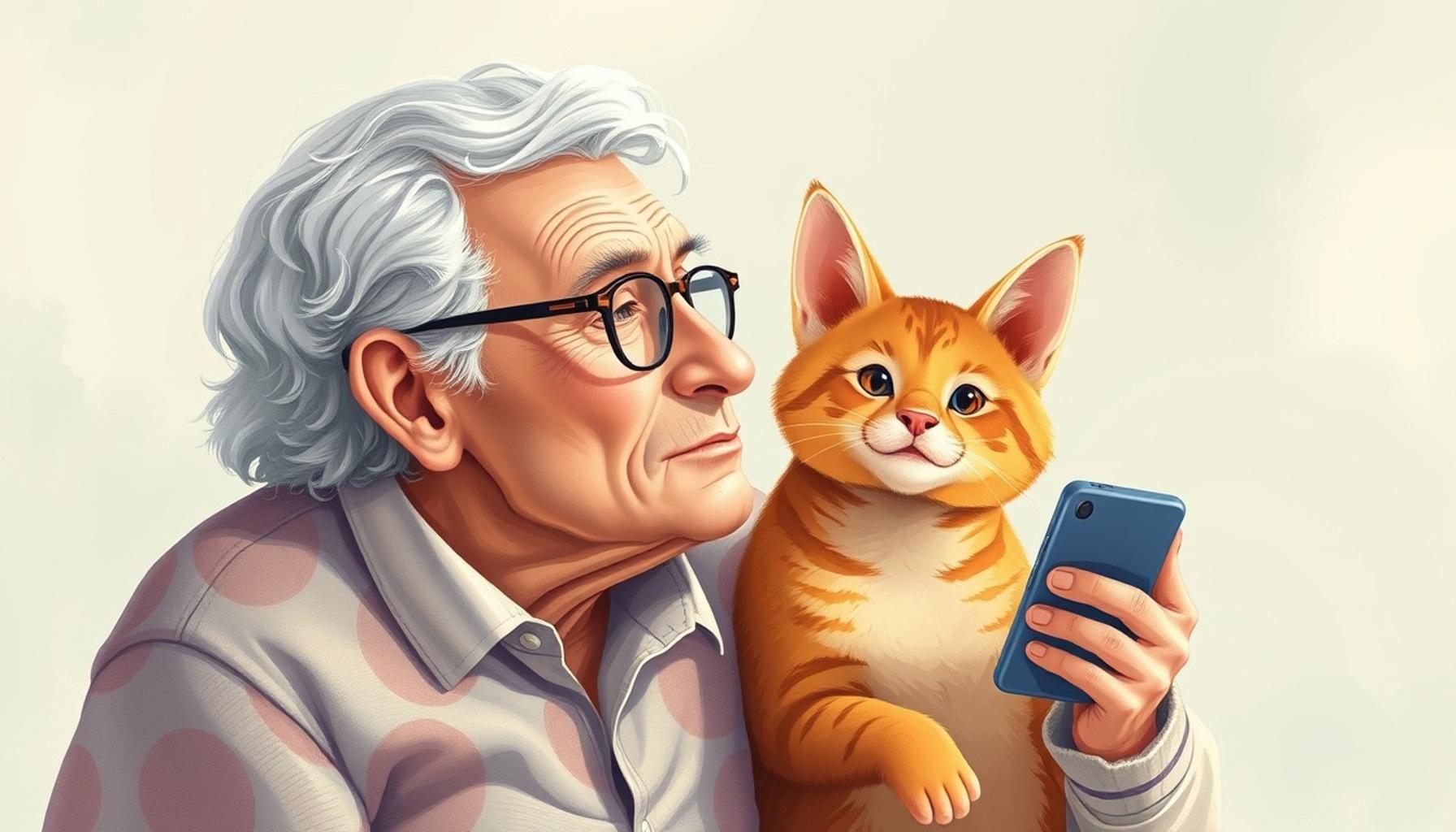
As society continues to age, the emotional well-being of elderly individuals has become an increasingly vital topic of conversation among family members, caregivers, and healthcare professionals alike. One often overlooked factor in enhancing the quality of life for seniors is the presence of pets. Beyond merely providing companionship, pets play a crucial role in improving the overall physical and mental health of their owners, particularly among the elderly demographic.
Benefits of Pet Ownership
Numerous studies have shown that pet ownership can lead to significant improvements in mental health among older adults. The companionship provided by pets helps fill the emotional void often felt by individuals who may be experiencing loneliness or bereavement. Here are several key benefits:
- Reduced Loneliness: Pets offer continuous companionship, providing a sense of purpose and alleviating feelings of isolation. For instance, a senior living alone may find amplified joy in their daily routine through interactions with a dog or cat.
- Emotional Support: Many pet owners report feeling a deep bond with their animals, which can manifest as unwavering love and support. This unconditional affection can be particularly comforting during challenging times, such as coping with the loss of a loved one or dealing with chronic health issues.
- Increased Physical Activity: Caring for a pet encourages seniors to engage in regular exercise, whether taking daily walks with a dog or playing with a cat. This boost in physical activity can help to mitigate age-related health issues, thereby enhancing overall wellness.
Pet-Related Activities
Engagement in pet-related activities further bolsters emotional wellness among seniors. Here’s a closer look at some enjoyable and beneficial activities that can be created around pet ownership:
- Walking Dogs: Establishing a routine to walk dogs can encourage seniors to stay active, providing essential exercise not only for their pets but also for themselves. Regular walks can also foster social interactions with neighbors, promoting a sense of community.
- Grooming and Playing: The simple act of grooming a pet or engaging in playful activities can greatly reduce stress levels, enhance mood, and deepen the bond between the pet and owner. Many therapists recommend pet play as a way for seniors to express tenderness and receive affection in return.
- Therapy Visits: Organizations that send therapy animals into nursing homes and senior living facilities have found that these visits can dramatically lift spirits and stimulate social interactions among residents. This therapeutic approach illustrates the power of pets to bridge generational gaps and foster friendships.
As we delve deeper into the dynamics between pets and elderly emotional well-being, it becomes abundantly clear that integrating a pet into an older adult’s life can contribute immensely to their happiness and health. Not only do pets provide physical comfort and companionship, but they also serve as vibrant conduits for social connection, encouraging elderly individuals to engage actively with the world around them. The intertwining of human and animal lives is a compelling narrative in the story of well-being, one deserving of further exploration and appreciation.
DISCOVER MORE: Click here to learn how mindfulness can help your pet
Fostering Emotional Connections
The emotional connection between pets and their elderly owners transcends mere companionship; it creates a supportive relationship that can have profound implications for mental health. Feeling a sense of value and validation is important for seniors, especially in a society that often marginalizes the elderly. The bond formed with a pet can foster a renewed purpose in life, addressing feelings of worthlessness that may arise due to retirement, health issues, or the loss of a partner. The comforting presence of a pet can alleviate these conditions, transforming solitude into shared moments of joy.
Sense of Purpose and Routine
For many seniors, the responsibility that comes with pet ownership instills a sense of purpose. The need to care for a pet can encourage daily routines that include feeding, grooming, and exercise, which are essential for maintaining emotional wellness. In fact, studies indicate that following a routine can significantly ease feelings of anxiety and depression. The following points illustrate how pets can enhance emotional stability through these daily activities:
- Responsibility: The daily tasks associated with caring for a pet can provide seniors with a sense of duty and accomplishment. This responsibility often helps combat feelings of aimlessness, offering a daily goal to work towards.
- Daily Structure: Pets require regular feeding, walk times, and play sessions, creating a structured schedule that can bring a comforting rhythm to the day. This structure can prevent erratic moods and foster a sense of normalcy.
- Social Engagement: Walking a dog or participating in activities like training classes can lead to social interactions with other pet owners. This engagement combats feelings of isolation and allows seniors to form new friendships.
Reducing Anxiety and Depression
The calming presence of pets has proven beneficial in minimizing symptoms of anxiety and depression. Scientific research has revealed that interacting with animals can lead to a release of oxytocin, a hormone associated with bonding and reducing stress levels. Studies have shown that seniors who own pets engage in less rumination and exhibit lower levels of anxiety compared to those without pets. Cats, dogs, and other companion animals can provide emotional support and reassurance, making them invaluable lifelines for the elderly.
Moreover, as older adults navigate the challenges of aging, whether it be health issues, loss of loved ones, or the transitional phases of changing living conditions, pets can deliver unconditional love. This bond offers solace, creating a warm environment that promotes healing both emotionally and physically. As we delve deeper into the transformative effects of pet ownership in the ensuing sections, the pivotal role of pets will become increasingly clear in enhancing emotional well-being and overall happiness in the lives of elderly individuals.
| Advantage | Impact on Elderly |
|---|---|
| Companionship | Pets provide invaluable emotional support, significantly reducing feelings of loneliness. |
| Routine and Structure | Caring for pets helps establish a daily routine, which can be especially beneficial for mental health. |
| Physical Activity | Walking a dog or engaging in play promotes physical exercise, enhancing overall well-being. |
| Social Interaction | Pets often facilitate conversations and social connections among peers in community settings. |
| Reduced Stress Levels | Interacting with pets reduces cortisol levels, leading to lower stress and anxiety. |
The profound impact pets have on the emotional well-being of elderly individuals cannot be overstated. Their presence provides consistent companionship, which is crucial for those facing loneliness or isolation. Studies have indicated that interactions with pets can elevate serotonin levels, adding a pleasant flavor to daily lives. Furthermore, the routine established by pet care manifests in a sense of purpose, often pushing elderly caretakers to maintain a healthier lifestyle. This engagement is notable—not just in the physical sense but also in strengthening their social fabric. The very act of taking a dog for a walk opens doors to conversations, thus fostering new friendships. Additionally, engaging with animals has shown to diminish stress levels significantly, making them natural allies in the pursuit of mental well-being for seniors.
DIVE DEEPER: Click here to learn how to incorporate obedience training into your pet’s daily routine</
Enhancing Physical Health and Mobility
In addition to emotional support, pets play a significant role in promoting physical health among the elderly. Physical health and emotional well-being are intricately connected, and the presence of a pet can encourage seniors to engage in activities that keep them physically active. This link is crucial, as maintaining mobility can directly influence mood and mental health. Here are several ways in which pet ownership enhances physical health and, in turn, emotional well-being:
- Encouraged Activity: Dogs, in particular, require regular walks and playtime, which requires their owners to be active. This commitment can help seniors maintain or even improve their physical health by decreasing the risk of obesity and associated health conditions such as heart disease and diabetes.
- Improved Strength and Balance: Activities like walking a dog can enhance balance and coordination among seniors. These exercises are particularly important considering that falls are the leading cause of non-fatal injuries among older adults. Regular interaction with pets can strengthen muscle fibers, aiding in greater stability.
- Therapeutic Impact: Interaction with pets can increase levels of serotonin and dopamine—both of which contribute to a sense of well-being. Research has shown that petting a dog or cat can lower blood pressure and reduce stress—two physical factors that adversely affect mental health.
Building Social Networks
Pets can serve as social catalysts, allowing older adults to create meaningful connections with their community. Loneliness is an increasing issue among seniors, particularly those who have lost partners or friends. Owning a pet can mitigate these feelings of isolation by encouraging social interactions. Here are a few ways that pets foster social connections:
- Community Involvement: Ownership of dogs often leads to involvement in local dog parks or community events, where seniors can meet fellow pet owners. This interaction fosters new friendships and eliminates feelings of seclusion.
- Support Groups: Seniors may find companionship with others who are going through similar life transitions. Pet-related support groups, such as those for pet loss or pet care tips, offer a platform for sharing experiences and advice, helping to combat loneliness.
- Intergenerational Bonds: Pets can also bridge connections across age groups. Grandchildren or neighbors may visit more frequently, drawn in by the pet’s appeal. These intergenerational interactions can enrich the lives of seniors and provide emotional fulfillment through family engagement.
Assistance Animals
For those with specific health conditions, assistance animals serve a critical role in enhancing emotional well-being. These specially trained animals can help individuals with physical limitations and emotional challenges. For instance, service dogs can provide companionship and alert their owners to medical emergencies, thus relieving anxiety and fostering independence.
Notably, therapy animals have emerged as a powerful force in rehabilitation centers and nursing homes across the country. These animals visit facilities, allowing seniors to interact with them, bringing about emotional boosts and reducing feelings of sadness or despair. Numerous studies indicate that interactions with therapy animals can lower stress levels and enhance overall mood, demonstrating the invaluable role pets play in supporting emotional health.
As we explore the impact of pets on emotional health further, it becomes increasingly evident that the presence of a companion animal may be one of the simplest yet most fulfilling changes an elderly person can make in their lives.
DISCOVER MORE: Click here to learn how technology is changing pet care
Conclusion
In summary, the presence of pets significantly enhances emotional well-being in the elderly, showcasing the profound connection between human-animal relationships and mental health. By offering companionship, fostering activity, and building social networks, pets become instrumental in alleviating feelings of loneliness and isolation that are all too common among seniors. The physical benefits associated with pet ownership—such as increased mobility and improved heart health—further contribute to a robust mental state. Studies have consistently shown that interactions with pets can elevate serotonin and dopamine levels, highlighting their therapeutic effects.
Moreover, the calming presence of assistance and therapy animals plays a crucial role in supporting those with specific emotional and physical challenges. These animals not only provide unconditional love but also facilitate independence and confidence in managing daily tasks, ultimately leading to a more fulfilling life for elderly individuals.
As society continues to grapple with the complexities of aging, the integration of pets into the lives of older adults should be recognized as a vital aspect of holistic care. Accessible programs that promote pet adoption, encourage intergenerational interactions, or provide therapy animal sessions can create more opportunities for emotional support. Ultimately, prioritizing the bond between pets and the elderly not only enriches the lives of seniors but also invites us to consider innovative solutions for enhancing their quality of life. The role of pets in promoting emotional well-being in the elderly is not merely a benefit—it is a necessity deserving of attention and advocacy.

Linda Carter
Linda Carter is a writer and pet care expert specializing in pet health, grooming, and wellness. With extensive experience helping pet owners create safe, loving, and enriching environments for their animals, Linda shares her knowledge on our platform. Her goal is to empower readers with practical advice and strategies to ensure their pets thrive and lead joyful, healthy lives.