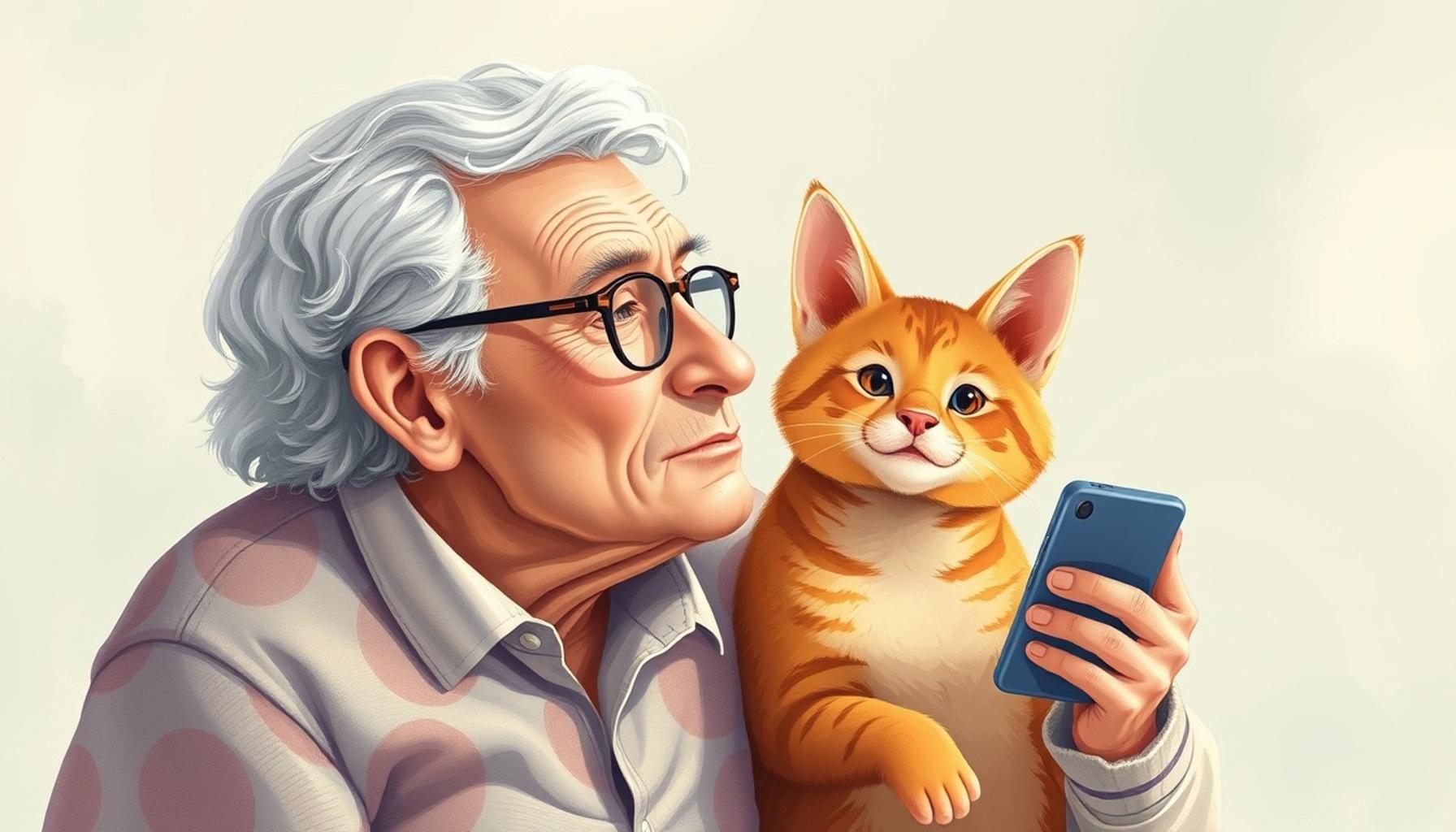
The Impact of Daily Interaction with Pets on the Physical and Mental Health of Professionals Working in Stressful Environments

The Importance of Pets for Stress Relief
In today’s fast-paced world, many professionals grapple with high levels of stress. The demands of work can lead to both physical and mental exhaustion, creating a need for effective coping mechanisms. One increasingly popular solution is the presence of pets in daily life.
Studies suggest that interacting with pets can dramatically improve overall well-being. Key benefits include:
- Reduced stress levels: Engaging in activities such as petting or cuddling a furry friend can lower cortisol levels, the hormone primarily responsible for stress. Research has shown that spending as little as 15 minutes with a pet can significantly decrease anxiety and promote feelings of relaxation.
- Improved mood: Animals can boost serotonin and dopamine levels, neurotransmitters that enhance feelings of happiness and contentment. For instance, the simple act of watching a playful puppy can induce a surge of joy, lifting the mood even on the hardest of days.
- Increased social interaction: Pets often serve as conversation starters and help forge connections among individuals. For example, dog owners frequently strike up conversations at parks or on walks, while cat enthusiasts bond over their shared love for feline antics on social media platforms.
Professionals in high-stress environments—ranging from corporate offices to emergency rooms—report significant improvements in their mental health when they incorporate pets into their lives. In fact, many companies are now adopting pet-friendly policies, allowing employees to bring their dogs to work. This not only decreases stress but also fosters a sense of camaraderie among colleagues.
In addition to emotional benefits, pets also encourage physical activity. Taking a dog for a walk can transform into a daily routine that promotes exercise and encourages a healthier lifestyle. Furthermore, having a pet can instill a sense of purpose, as caring for an animal can create a regular routine and a sense of responsibility.
Exploring the science behind this phenomenon reveals intriguing insights into how animals contribute to better health. For example, the field of animal-assisted therapy is gaining traction, incorporating pets into therapeutic settings to aid in mental health recovery. This method has proven particularly beneficial for individuals coping with depression, PTSD, or anxiety disorders.
Understanding the factors at play may encourage professionals to consider the profound effects of daily pet companionship on their lives. Whether it’s a loyal dog, a curious cat, or even smaller pets like hamsters or rabbits, the therapeutic benefits are expansive and worth exploring for anyone looking to enhance their health and well-being.
DISCOVER MORE: Click here to learn how pets can boost your health
Physical Health Benefits of Pet Ownership
Engaging with pets offers numerous physical health benefits for professionals navigating stressful work environments. Beyond the evident emotional perks, the daily interaction with animals can significantly influence one’s physical vitality. Numerous studies reinforce the notion that the simple act of connecting with pets may lead to improvements in cardiovascular health, reduced blood pressure, and even enhanced immune function.
Regular activities associated with pet care can easily integrate into an active lifestyle. For dog owners, taking their pets for walks or play sessions not only encourages physical exercise but also promotes a routine that helps combat sedentary behavior often observed in office settings. Statistics show that pet owners are generally more active than non-pet owners, which is particularly crucial for individuals in demanding jobs where long hours can lead to a rise in health-related issues.
- Cardiovascular health: Studies have concluded that pet owners, particularly those with dogs, have lower cholesterol levels and blood pressure rates. Engaging with pets often includes walking, which is recommended by health experts as a simple yet effective form of cardiovascular exercise.
- Weight management: Regular walks or playtime with pets promote a healthier lifestyle, aiding in weight management. This becomes particularly critical for professionals who experience stress-related weight gain, either from late-night snacking or a lack of exercise.
- Enhanced longevity: Research in the *Journal of Epidemiology and Community Health* indicates that pet ownership is linked to a longer lifespan. The companionship of pets may extend beyond emotional support and contribute positively to physical health, making it a cautious consideration for professionals focused on long-term health outcomes.
Moreover, interacting with pets can help mitigate stress-induced health concerns, such as headaches or muscle tension, by fostering relaxation and a sense of tranquility. When professionals spend time with their pets, they create moments of joy and relief that can help dissolve the weight of daily pressures.
Mental Health Improvements Through Animal Companionship
The mental health impacts of daily pet interaction are equally profound. Engaging with animals is proven to stimulate the release of oxytocin, often referred to as the “love hormone.” This chemical reaction not only alleviates feelings of loneliness but also fosters emotional connections that promote psychological resilience.
For many professionals, pets serve as a buffer against the stressors of daily life. Instances of anxiety or depression can diminish significantly through the simple act of pet companionship. Consider the following mental health benefits:
- Combatting depression: Regular pet interaction can serve as a form of therapy. Studies have shown that the presence of a pet can stimulate serotonin and dopamine production, combatting feelings of sadness.
- Reducing anxiety: Having a pet around can alleviate panic attacks or anxiety episodes. The rhythmic motion of petting an animal acts as a calming technique that brings focus back to the present.
- Enhancing coping skills: Professionals dealing with high-stress jobs often face overwhelming challenges. The daily routine of caring for a pet instills a sense of purpose and responsibility, offering a valuable distraction from work pressures.
In conclusion, incorporating pets into daily routines can yield extensive benefits for both physical and mental health, making a compelling case for serious consideration among professionals in high-stress environments. Whether at home or in the office, the presence of a pet can serve as a vital tool in navigating the complexities of modern work life.
| Category 1 | Category 2 |
|---|---|
| Physical Health Benefits | Reduced blood pressure and improved cardiovascular health |
| Mental Health Benefits | Lower levels of anxiety and depression |
Daily interaction with pets can profoundly influence the physical health of professionals. For instance, research has shown that spending time with animals can lead to a significant decrease in blood pressure, ultimately reducing the risk of chronic diseases. Additionally, regular walks with pets can enhance physical activity levels, which is critical for combating the sedentary lifestyle often found in high-stress jobs.On the mental health front, recent studies suggest that engaged pet ownership is linked to lower levels of anxiety and depression. The mere presence of a furry companion can elicit feelings of joy and eliminate feelings of loneliness among working professionals. This emotional support system plays a significant role in how individuals cope with the stressors inherent in demanding work environments. Ultimately, the benefits of pet interactions underscore a vital area of interest for those seeking innovative ways to improve workplace wellness.
DON’T MISS: Click here for essential dental care tips
Social and Emotional Benefits of Pet Interactions
While the physical and mental health benefits of engaging with pets are notable, the social and emotional gains are often equally impactful, particularly for professionals facing overwhelming workloads. These interactions can facilitate enhanced social connections and provide essential emotional support that can be crucial in high-pressure work settings.
The bond between a pet and their owner fosters a unique form of companionship that can alleviate feelings of isolation. This is particularly relevant for professionals working long hours or in remote environments where social interaction may be limited. A pet can be a source of unconditional love and affection, helping professionals feel more grounded amidst work-related chaos.
- Encouraging social interaction: Pet ownership can open doors to new social opportunities. Dog parks, community events, and pet-related activities provide natural venues for networking and meeting new people. Engaging with fellow pet owners can create bonds over shared experiences, offering a sense of community that counteracts workplace isolation.
- Strengthening emotional resilience: Pets often sense when their owners are experiencing stress or anxiety. The comforting presence of an animal can help to regulate emotional responses, providing solace when professionals need it most. This emotional support can be critical in workplace settings where stress levels are prone to spike.
- Implementing routine and structure: Caring for a pet requires a consistent routine, which can be highly beneficial for professionals managing chaotic schedules. Establishing a daily routine around pet care can ground individuals, offering a sense of stability that promotes overall emotional well-being.
The significance of these social and emotional benefits cannot be overstated, particularly in the fast-paced working environments prevalent in the US. A study published in the *International Journal of Workplace Health Management* highlights the strong correlation between pet ownership and increased workplace satisfaction. Respondents noted that their pets served as positive motivators, helping to mitigate feelings of burnout and stress.
Pet Therapy Programs in Professional Settings
Innovative workplaces are recognizing the benefits of incorporating pets into their environments, with many companies now offering pet therapy programs. These programs invite therapy animals into the workplace, where employees can engage with them during particularly stressful days. The calming effect of interacting with therapy dogs has been well-documented, demonstrating improved focus and reduced anxiety among employees.
- Heightened productivity: Research shows that employees who have access to therapy animals experience a boost in productivity levels and a greater ability to concentrate on tasks. This concept is gaining traction in major organizations, which are now investing in such programs as a strategy to enhance employee satisfaction and retention.
- Reduction in workplace conflict: The presence of pets may serve to diffuse tensions in professional settings. Animals can act as social lubricants, alleviating friction between coworkers and improving interpersonal relationships, which can be beneficial for organizational culture.
- Pivotal role in mental health initiatives: As awareness surrounding mental health in the workplace increases, incorporating pets into mental health initiatives is quickly becoming a popular trend. Companies are beginning to recognize that a happy employee is a productive employee, and pets can play a fundamental role in maintaining an emotionally healthy workforce.
The innovative approach toward integrating pets in professional environments could serve as a turning point in addressing the growing mental health crisis faced by many Americans in the workplace. As this trend continues to gain traction, professionals working in high-stress scenarios may find their quality of life significantly enhanced through the companionship and support that pets provide.
DISCOVER MORE: Click here to learn effective strategies
Conclusion
In an era where stress and mental health challenges are increasingly prevalent among professionals, the positive impact of daily interaction with pets emerges as a compelling solution. Engaging with animals not only contributes to physical health through increased activity and reduced blood pressure but also fosters essential mental health benefits. The companionship of pets can dramatically alleviate feelings of isolation and provide emotional support that is particularly beneficial in demanding work environments.
Furthermore, the growing trend of pet therapy programs in workplaces serves as a testament to the recognition of these benefits. As companies prioritize employee well-being by integrating pets into their culture, they unlock new avenues for enhancing productivity and job satisfaction while simultaneously reducing conflict and enhancing team dynamics. With data supporting the notion that happier employees yield better results, the role of pets in the workplace cannot be dismissed.
As we further explore the nuanced relationship between pet ownership and professional wellness, it becomes clear that incorporating pets into the daily lives of professionals could offer a transformative avenue toward improved mental health and workplace morale. Encouraging research and experimentation in this domain can pave the way for better understanding and implementation of animal companionship as a legitimate means to tackle the mental health crisis facing many American workplaces today. In essence, the presence of a pet may indeed be essential for not just surviving, but thriving, in our high-pressure working environments.

Linda Carter
Linda Carter is a writer and pet care expert specializing in pet health, grooming, and wellness. With extensive experience helping pet owners create safe, loving, and enriching environments for their animals, Linda shares her knowledge on our platform. Her goal is to empower readers with practical advice and strategies to ensure their pets thrive and lead joyful, healthy lives.