The importance of hydration: tips to ensure your pet drinks enough water
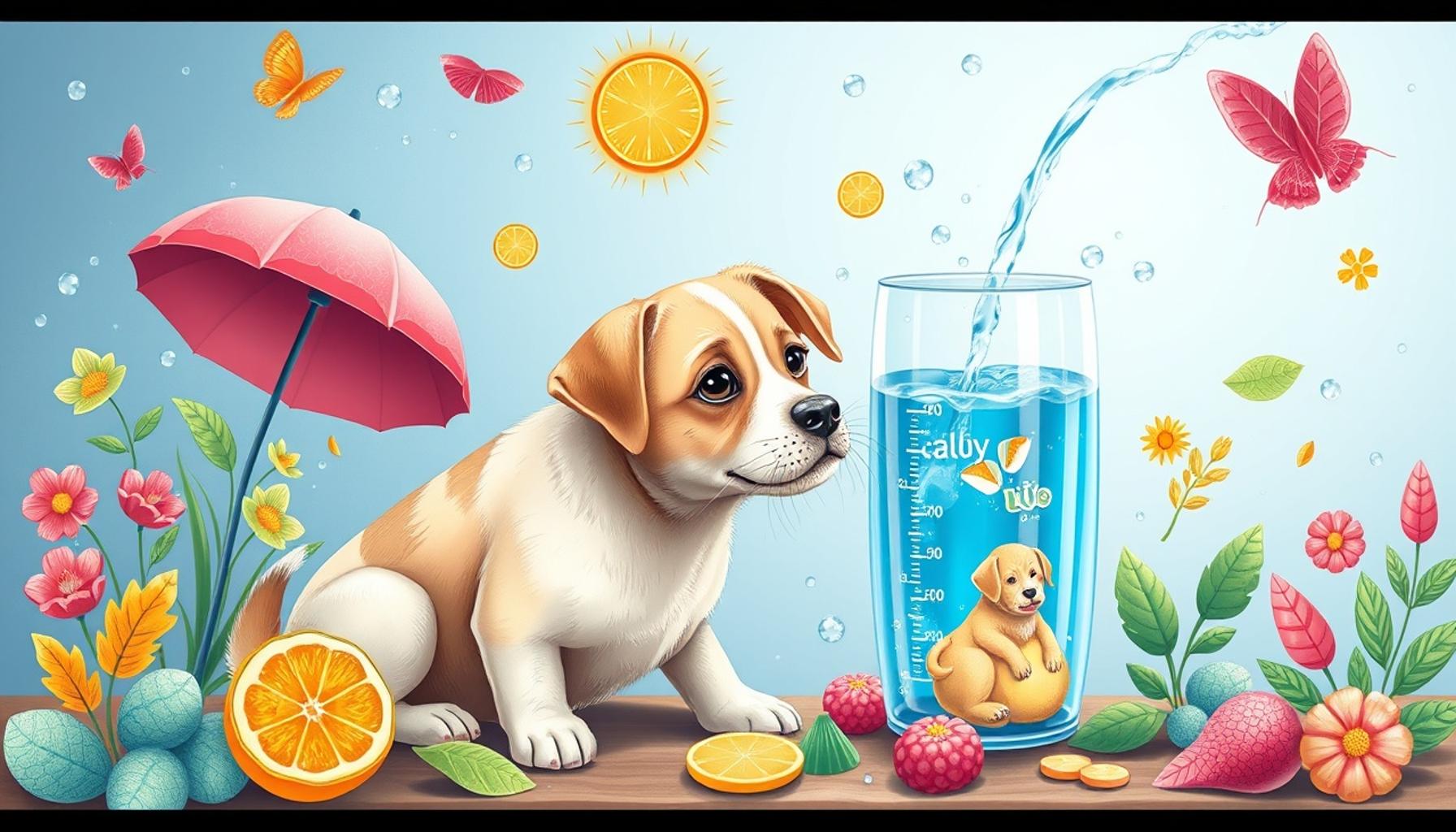
Understanding the Role of Hydration in Pet Health
Just like humans, pets require a proper intake of water to maintain their health and well-being. Dehydration can lead to serious health issues, making it crucial for pet owners to understand how to keep their furry friends hydrated. But why is hydration vital?
Optimal Body Function
Water is essential for nearly every bodily function in pets. It aids in digestion by helping to break down food and absorb nutrients, ensuring that your pet gets the most out of their meals. Additionally, water plays a critical role in circulation, transporting oxygen and nutrients to cells and removing waste products from the body. Another important function of water is temperature regulation; it helps maintain a stable internal body temperature, especially crucial during the hot summer months when pets are more prone to overheating.
Preventing Illness
Proper hydration is not just about quenching thirst; it is a key factor in preventing various health problems. For example, urinary tract infections and kidney issues are often associated with low water intake. When pets are dehydrated, their urine becomes more concentrated, increasing the likelihood of infection and the formation of crystals and stones within the urinary tract. Ensuring that your pet stays hydrated can drastically reduce the risk of these medical issues, leading to a healthier, happier companion.
Supporting Everyday Activities
Active pets, such as those that frequently run, jump, and play, require more water to replenish the fluids lost during physical activity. It’s important for pet owners to monitor their activity levels, especially during outdoor play sessions in high temperatures. A well-hydrated pet is more energetic and can enjoy playtime without the risk of fatigue or overheating.
How to Ensure Adequate Hydration
So, how can you ensure your pet is drinking enough water? Here are some effective tips:
- Offer fresh, clean water in multiple locations around your home. This increases accessibility and encourages your pet to drink more.
- Consider investing in a pet water fountain. Many pets find running water more appealing than stagnant water in a bowl, which can significantly increase their water intake.
- Incorporate wet food into their diet. Canned pet food often contains a higher moisture content, which can help keep your pet hydrated.
- Monitor your pet’s fluid intake. Some owners find it helpful to track how much water their pet consumes daily to ensure it meets their hydration needs.
Recognizing the Signs of Dehydration
Understanding the signs of dehydration is equally important. If your pet exhibits symptoms such as dry gums, lethargy, or decreased skin elasticity, they may need immediate access to water. These signs can indicate a serious situation that requires prompt attention. By ensuring proper hydration, you can enhance your pet’s quality of life and longevity, making a simple yet significant change that promotes overall health and happiness.
Remember, making hydration a priority is not just a good habit; it is an essential part of responsible pet ownership that can lead to a vibrant and active life for your beloved companion.
DIVE DEEPER: Click here to discover more
Hydration and Your Pet’s Daily Life
Water is an indispensable component of your pet’s daily existence, not just for survival, but for optimal health. Proper hydration can significantly affect their energy levels, mood, and overall wellness. With a negligible intake of water, pets are susceptible to numerous health problems, which can lead to a reduction in their quality of life. But just how much water should your pet be drinking, and how can you encourage them to meet their hydration needs?
Establishing Hydration Goals
The basic guideline for water consumption suggests that pets should drink approximately 1 ounce of water per pound of body weight daily. So, for instance, a 10-pound dog should consume about 10 ounces of water each day. However, various factors can influence this number, including activity level, diet, climate, and overall health. Pets that consume dry food may require a larger volume of water compared to those who eat wet food, as dry kibble has a low moisture content.
In addition to monitoring overall water intake, pet owners should observe how their pets drink throughout the day. Some pets prefer to sip on water sporadically, while others might gulp large quantities at once. Knowing your pet’s drinking habits can help you determine if they are getting enough water, and allow you to make adjustments accordingly.
Incorporating Hydration into Playtime
During warmer months, when pets are more likely to succumb to heat, it becomes crucial to ensure that hydration is integrated into playtime routines. For instance, take frequent breaks during outdoor activities to allow your pet to drink water. Here are some practical suggestions to encourage hydration during active sessions:
- Bring a portable water bottle or collapsible bowl on walks or hikes, providing fresh water when your pet needs it.
- Incorporate short water breaks into fetch games or outdoor play, allowing your pet to hydrate without interruption.
- Consider enabling your pet to play in water—like a kiddie pool or sprinklers—during particularly hot days, making hydration part of the fun.
Hydration and Behavioral Changes
It’s important to recognize that hydration directly impacts your pet’s behavior and mood. A well-hydrated pet is often more vibrant and playful, while dehydration can lead to lethargy and even irritability. Many owners may notice changes in their pet’s behavior when they are dehydrated, including decreased activity and less interaction with their family. This stark contrast reinforces the notion that maintaining adequate hydration is essential for fostering a positive and active demeanor in your furry friend.
Ultimately, ensuring that your pet is adequately hydrated is a crucial responsibility for every pet owner. Making hydration a priority not only prevents health complications but enhances every aspect of your pet’s life, contributing to a happier and healthier household. Remember, a well-hydrated pet is a joy to have and a joy to care for.
Ensuring that your pet stays properly hydrated is essential for their overall health and well-being. With pets, just like humans, water is critical for various bodily functions, including digestion, temperature regulation, and waste elimination. Noticing signs of dehydration early can be crucial. Common signs include lethargy, dry gums, and decreased skin elasticity. It’s important for pet owners to be proactive in encouraging their pets to drink enough water, especially during hot weather or after physical activity.
One effective way to encourage hydration is to provide fresh and clean water daily. Pets are more likely to drink when their water is readily available and untainted. Consider using pet water fountains, as they tend to keep water circulating, which often garners pets’ attention and encourages them to drink more.
Additionally, incorporating food into your pet’s diet that has a higher moisture content, such as wet food or even adding water to dry kibble, can make a significant difference in their hydration levels. For dogs and cats alike, tasty add-ins like broth can entice them to consume more liquids.
Another effective strategy is regular monitoring of daily water consumption. This can help pet owners identify any changes in drinking habits, indicating potential health issues. Remember to always consult with your veterinarian if you have concerns regarding your pet’s hydration or overall health. Staying informed and taking proactive steps can ensure that your beloved pets remain healthy and hydrated.
| Hydration Techniques | Benefits |
|---|---|
| Providing Fresh Water | Encourages pets to drink more; minimizes risks of dehydration. |
| Moisture-Rich Food | Increases overall water intake; adds variety to a pet’s diet. |
| Consistent Monitoring | Helps detect changes in drinking habits; supports better health management. |
DISCOVER MORE: Click here to learn how daily routines influence your pet’s happiness
Enhancing Water Consumption Techniques
Understanding your pet’s hydration needs is only part of the equation; knowing how to effectively encourage them to drink more water is crucial. For many pet owners, getting their furry friends to stay hydrated can sometimes feel like a challenge. However, there are several strategies you can employ to make drinking water more appealing to your pets.
The Power of Flavor
Many pets can be fussy drinkers, which can lead to insufficient hydration. One effective way to encourage your pet to drink more is by enhancing the flavor of their water. Pet-safe flavor enhancers or additives are available in most pet supply stores, designed specifically to make water enticing for dogs and cats. Additionally, you can experiment by adding a splash of low-sodium broth or a small amount of tuna juice to their water bowl, which might stimulate their interest. However, ensure that any additives you use are safe for your pet.
Freshness Matters
Another essential aspect of hydration is ensuring that your pet has access to fresh, clean water at all times. Pets can shy away from stale or dirty water, which underscores the importance of regularly changing the water in their bowls. Aim to refresh the water at least once a day, and scrub the bowl with soap to remove any residues that might deter your pet. Furthermore, many pet owners have found that investing in a pet water fountain can be beneficial. These fountains not only keep the water circulating and oxygenated but also create a running water effect that appeals to many pets’ instinctual tendencies to drink more.
Encouraging Water Intake Through Food
Diet can play a significant role in your pet’s hydration levels. If you feed your dog or cat dry kibble, consider mixing in some wet food or offering hydration-rich fruits and vegetables as treats. Many pets enjoy snacks like cucumber, watermelon, or blueberries, which are not only healthy but can also contribute to their overall fluid intake. Incorporating wet food into a pet’s diet is an excellent way to naturally increase their water consumption and provide additional nutrients.
Regular Monitoring and Adjustments
As winter and summer bring varying temperature and humidity levels, it’s essential for pet owners to adjust their hydration strategies accordingly. During colder months, pets might drink less water due to decreased activity and lower temperatures. Yet, this doesn’t mean their hydration needs have diminished. Always keep an eye on how much water your pet consumes, especially during significant shifts in weather or lifestyle. Using measuring cups or water bowls with marked measurements can help you assess your pet’s daily intake accurately.
Introducing a Hydration Schedule
Developing a hydration schedule can also be beneficial, especially for pets accustomed to routine. By establishing set drinking times—such as after walks or play sessions—pet owners can promote consistent water intake. For example, always refreshing the water bowl after a vigorous playtime can create a natural association between exercise and hydration, encouraging your pet to drink more regularly.
Fostering a culture of hydration in your home not only benefits your pets physically but can also deepen your bond with them. By being attentive and proactive about their hydration needs, you ensure that they can enjoy active, happy lives alongside you. Whether it’s through tasty water enhancements, fresh and appealing drinking conditions, or thoughtful dietary choices, there are ample ways to encourage your pet to drink enough water every day.
DISCOVER MORE: Click here to learn about socialization for puppies
Conclusion: Prioritizing Your Pet’s Hydration
In conclusion, hydration is a critical aspect of your pet’s overall health and well-being. As responsible pet owners, it is our duty to ensure that our furry companions have consistent access to fresh, clean water to keep them thriving. By recognizing the signs of dehydration and implementing effective strategies to encourage water intake, such as enhancing the flavor of water, providing appealing drinking conditions, and considering their diet, we can significantly impact their hydration levels.
Moreover, regular monitoring of your pet’s water consumption is key to adjusting their hydration strategies based on seasonal changes. Establishing a hydration schedule can also create healthy habits that encourage your pet to drink more often. Remember, a well-hydrated pet is not only healthier but also more energetic and active, allowing them to enjoy life to the fullest with you.
As pet owners, it is vital that we stay informed and proactive about our pets’ hydration needs. By integrating these tips into your daily routine, you can help ensure that your beloved companions remain healthy and happy. Ultimately, facilitating proper hydration not only benefits their physical health but also strengthens the bond you share with them. Pledge to make hydration a priority, and you’ll be investing in a joyful, vibrant life for your pets.

Linda Carter
Linda Carter is a writer and pet care expert specializing in pet health, grooming, and wellness. With extensive experience helping pet owners create safe, loving, and enriching environments for their animals, Linda shares her knowledge on our platform. Her goal is to empower readers with practical advice and strategies to ensure their pets thrive and lead joyful, healthy lives.