The Importance of Environmental Enrichment for Pet Behavior
The Importance of a Stimulating Environment for Pets
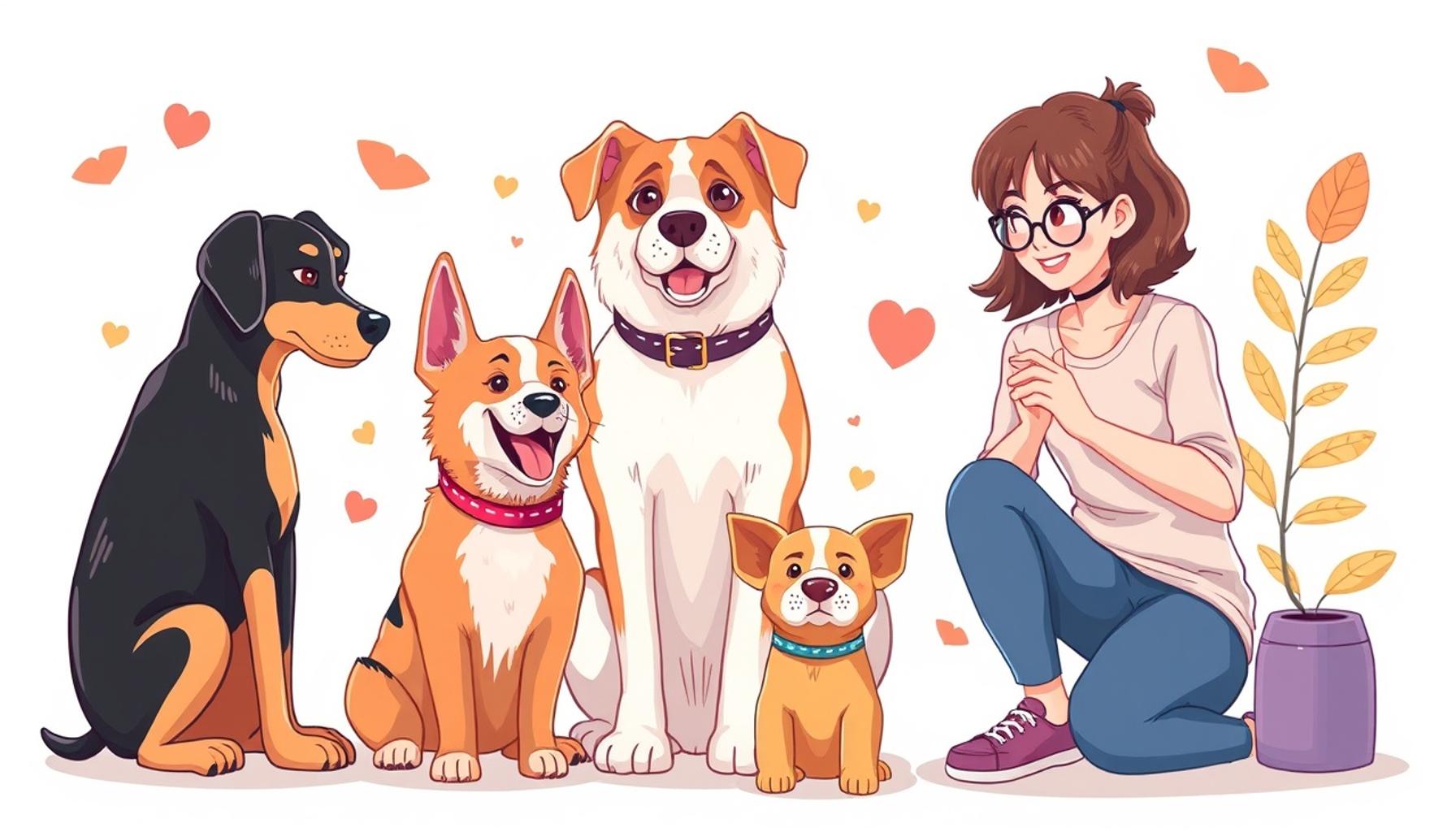
Pets, much like humans, thrive in stimulating environments. They require more than just food and shelter; they need opportunities to engage both mentally and physically. This is where environmental enrichment comes into play, significantly influencing pet behavior. As loving pet owners, understanding the importance of enrichment can truly enhance the quality of life for our furry companions.
Environmental enrichment is a concept that extends across the spectrum of pet care, affecting not only dogs and cats but also small mammals, birds, and reptiles. This form of stimulation can take on multiple forms, integrating various activities, toys, and environments that cater specifically to the instincts and natural behaviors of each species. Without these enriching elements, your pets may develop a range of behavioral problems that can be quite frustrating.
One common issue is excessive barking or meowing. When pets are bored, they are more likely to vocalize excessively in an attempt to alleviate their boredom. For instance, a dog left alone for long periods may bark out of sheer frustration and loneliness. To counter this, providing toys that dispense treats can keep their minds engaged. Similarly, destructive behaviors such as chewing furniture or digging holes in the backyard often arise from a lack of stimulation. For example, a bored dog may resort to chewing shoes if they have no appropriate toys to focus their energy on.
Another significant concern is fear and anxiety. Animals thrive in environments where they feel safe and stimulated. They often exhibit less anxiety when they have access to enriching activities, which can include puzzle toys, social interaction with other pets, or even training exercises that challenge their minds. An enriched environment encourages exploration and boosts their confidence, which is critical in reducing stress levels.
To provide your pets with an enriched environment, consider incorporating:
- Toys that challenge them mentally, such as interactive puzzle feeders or toys that require problem-solving.
- Interactive playtime that fosters connection with owners, where you can engage in games like tug-of-war or fetch.
- Varied surroundings that stimulate exploration, such as creating safe outdoor spaces or introducing new textures for them to investigate.
Furthermore, introducing new experiences, such as taking a different route on walks or exposing them to new sounds and smells, can also contribute to their overall mental health. Dogs might enjoy socializing with other pets at a local dog park, while cats may benefit from climbing trees or perches that allow them to observe their surroundings from a higher vantage point.
Ultimately, enhancing your pet’s living space can lead to a happier, healthier, and more well-adjusted companion. So, why not dive deeper into the world of environmental enrichment and learn how it can transform your pet’s life? By making small adjustments to their environment, you can create a fulfilling atmosphere that nurtures their inherent curiosity and zest for life.
DIVE DEEPER: Click here to discover the benefits of meditation and yoga with pets
Understanding How Environmental Enrichment Affects Behavior
Environmental enrichment enhances not only the physical health of pets but also their psychological well-being. Animals are innately curious creatures, often seeking to explore their surroundings. When they are deprived of opportunities for exploration and discovery, the result can be detrimental to their behavior. Pets may exhibit signs of stress, frustration, or even depression, all of which can manifest in unwanted behaviors. Understanding the precise relationship between environmental enrichment and pet behavior is essential for all pet owners who wish to foster a healthy, happy home for their companions.
Studies indicate that pets engaging in enriching activities experience lower levels of aggression and anxiety. This notion is particularly significant for social animals, such as dogs and cats, which thrive on interaction—both with humans and other animals. For example, dogs that participate in group play are often more well-adjusted and display fewer behavioral issues than those that remain isolated. Furthermore, a study by the American Veterinary Medical Association found that animals enriched with social interaction and stimulating activities exhibit better problem-solving skills, enhancing their overall quality of life.
Physical activity is another critical aspect connected to environmental enrichment. Pets that are physically active are less prone to obesity, which is a growing concern in the U.S. According to data from the Association for Pet Obesity Prevention, nearly 60% of pet dogs and 55% of pet cats in the United States are classified as overweight or obese. An enriched environment encourages pets to engage in physical exercise through play or exploration. Activities like agility courses for dogs or climbing arrangements for cats can stimulate their bodies while also addressing the need for mental engagement.
Moreover, the importance of a varied and stimulating environment cannot be overstated when it comes to reducing stress-induced behaviors. Some pets may develop compulsive actions, such as excessive licking or tail chasing, when their environment lacks stimulation. Providing access to different textures, scents, and social interactions can redirect these compulsive behaviors. A Japanese study revealed that pet owners who introduced enriching elements, such as different toys or varied outdoor experiences, reported a significant decrease in stress-related behaviors among their pets.
When considering how to create an enriching environment, it is helpful to incorporate the following elements:
- Interactive toys: Consider toys that promote problem-solving and reward your pet for their effort, such as treat-dispensing puzzles or squeaky toys.
- Social interaction: Engage in regular playtime with your pet and encourage interactions with other animals to fulfill their social needs.
- Exploratory spaces: Set up a designated play area that offers exciting elements like tunnels, ramps, or even simple cardboard boxes that spark curiosity.
As environmental enrichment becomes a pivotal topic in understanding pet behavior, it is crucial for pet owners to actively foster an environment that stimulates both their minds and bodies. Doing so not only nurtures their natural instincts but also provides a happier, healthier lifestyle. By recognizing and acting on these enrichment needs, pet owners can significantly improve their furry friends’ quality of life, leading to a more harmonious coexistence.
| Category | Description |
|---|---|
| Enhances Cognitive Skills | Engaging pets in activities promotes problem-solving abilities, thereby enhancing mental agility. |
| Reduces Stress and Anxiety | Environmental enrichment offers pets a sense of security and helps mitigate behavioral issues related to anxiety. |
| Promotes Physical Health | Regular mental and physical stimulation can lead to a healthier lifestyle by reducing obesity and improving overall well-being. |
| Strengthens Human-Pet Bond | Interactive play with owners fosters a stronger relationship, enhancing trust and companionship between pet and owner. |
Incorporating environmental enrichment in daily routines can significantly impact pets’ mental and physical well-being. As pet owners, it is crucial to understand how interactive toys, challenging games, and new experiences can transform ordinary days into stimulating adventures for pets. These enriching practices not only elevate the pets’ emotional health but also serve to alleviate potential issues stemming from boredom or isolation. Upgrading your pet’s environment is a step towards a happier, healthier companion, enriching their lives in ways that resonate deeply both mentally and emotionally.
DISCOVER MORE: Click here for insights
The Impact of Environmental Enrichment on Longevity and Overall Health
Beyond immediate behavioral benefits, environmental enrichment plays a vital role in enhancing the longevity and overall health of pets. A stimulating environment not only counters undesirable behaviors but also encourages a range of activities that contribute significantly to a pet’s physical fitness. Engaging pets in varied activities, such as leash walks for dogs or interactive play for cats, promotes cardiovascular health, builds muscle strength, and reinforces a healthy weight. Recent findings from the Journal of Veterinary Internal Medicine suggest that dogs actively engaged in regular physical and mental activities are at a reduced risk for developing chronic health conditions, such as heart disease and arthritis.
Moreover, there is a direct correlation between mental stimulation and a lower incidence of cognitive decline in older pets. Just as in humans, pets can experience cognitive dysfunction as they age, with symptoms including disorientation, disrupted sleep, and changes in behavior. A multifaceted environment that incorporates mental challenges, such as teaching new tricks or engaging in scent work, can help keep a pet’s mind sharp. A study published in the Journal of Applied Animal Welfare Science highlighted that older dogs who participated in consistent mental exercises showed significant improvements in cognitive performance compared to their less-engaged counterparts.
In addition, the benefits of environmental enrichment extend to pets recovering from trauma or illness. Enrichment strategies can create a sense of normalcy and security in stressful situations, such as post-surgery recovery. According to experts, incorporating familiar toys and gradual reintroduction to stimulating activities can effectively aid in reducing anxiety levels and encourage quicker healing. Parks and recreational areas designed with pets in mind offer essential spaces for gradual reintroduction to socialization, which eases their transition back to full health.
Creating Tailored Enrichment Strategies
Given the diverse needs of different species and individual pets, enrichment strategies should be tailored to suit specific animals and their lifestyles. For example, the enrichment requirements for an active breed like a Border Collie differ significantly from those of a laid-back Bulldog. Understanding the unique characteristics of a pet breeds can help owners design activities that align with their natural instincts. For herding breeds, providing interactive ball-throwing toys or frisbees can harness their instinctual drive, while scent-based puzzles may captivate the interest of hunting breeds like Beagles.
Additionally, a growing trend in pet ownership involves integrating technology into enrichment routines. Devices such as automated laser pointers for cats or remote-controlled treat dispensers for dogs enable pet owners to engage their pets even when they are not home. The incorporation of smart toys can provide mental stimulation that encourages self-play, thus reducing feelings of loneliness.
Pet owners should also consider the impact of the environment itself. Simple changes such as rotating toys regularly, varying walking routes, or rearranging furniture to create new experiences can mitigate boredom. A well-rounded enrichment routine combines physical exercise, mental challenges, and environmental diversity, ensuring that pets remain active participants in their own well-being.
The benefits of environmental enrichment are manifold, underscoring its critical role in promoting healthy, well-rounded lives for pets. By thoughtfully curating stimulating environments and activities tailored to their pets’ needs, owners can foster an atmosphere that not only nurtures positive behaviors but ultimately enhances their companions’ quality of life.
DISCOVER MORE: Click here for healthy pet food recipes
Conclusion: Embracing Environmental Enrichment for Healthier Pet Lifestyles
In summation, the importance of environmental enrichment for pet behavior cannot be overstated. It goes beyond merely alleviating boredom; rather, it enhances physical health, nurtures cognitive functioning, and fortifies the emotional well-being of our cherished companions. By engaging in tailored enrichment strategies that cater to their specific instincts and personalities, pet owners pave the way for a harmonious coexistence that contributes to a fulfilled and dynamic lifestyle.
As we’ve explored, integrating various activities—ranging from mental challenges like puzzles to physical exercises—presents numerous benefits, including reduced anxiety and a longer, healthier life. Moreover, utilizing technology, such as interactive toys and automated treats, allows for creative ways to connect with our pets even when life becomes hectic. These innovations ensure that pets remain stimulated and engaged, bridging the gap between their needs and our busy schedules.
Ultimately, the path to improving our pets’ quality of life lies in understanding the diverse facets of environmental enrichment. By fostering an enriched environment, pet owners not only promote desirable behaviors but also cultivate strong, resilient bonds with their pets. As we venture into a new era of pet ownership, let us prioritize the mental and physical health of our furry friends through thoughtful enrichment practices. The journey may require effort, but the rewards—a happier, healthier pet—are unequivocally worth it.

Linda Carter
Linda Carter is a writer and pet care expert specializing in pet health, grooming, and wellness. With extensive experience helping pet owners create safe, loving, and enriching environments for their animals, Linda shares her knowledge on our platform. Her goal is to empower readers with practical advice and strategies to ensure their pets thrive and lead joyful, healthy lives.