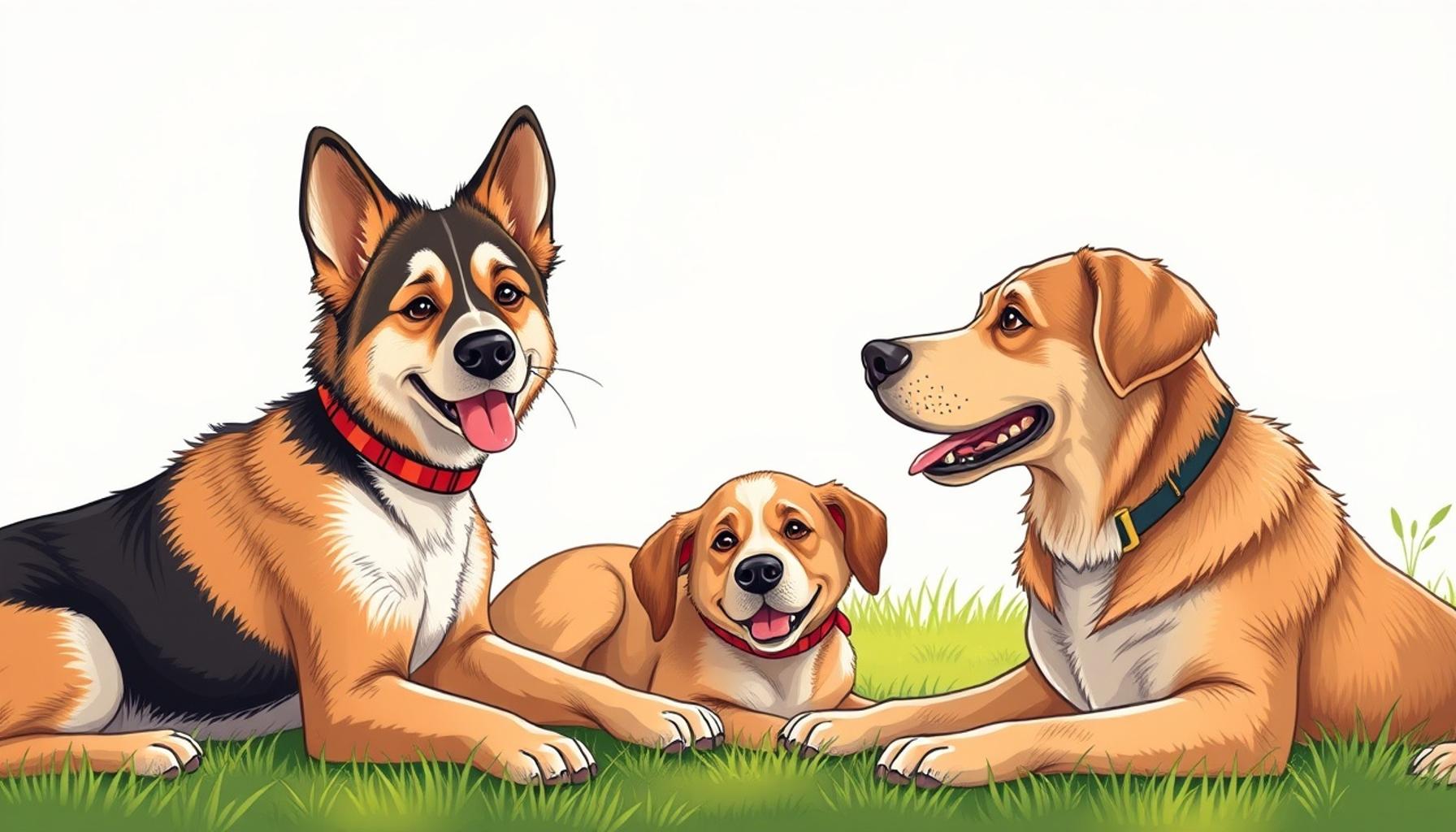
Training Techniques for Strengthening the Bond Between Pets and Owners
Building a Lasting Connection
The bond between pets and their owners is a unique and rewarding relationship that thrives on mutual understanding and companionship. Strong connections are crucial for a pet’s mental well-being, not only enriching their lives but also enhancing the overall experience of pet ownership. One of the key ways to foster this relationship is through effective training techniques, which can serve as a foundation for deeper understanding and camaraderie.
Many pet owners often overlook the significance of structured training. By implementing specific strategies tailored to individual pets, owners can achieve transformative results that go beyond mere obedience. Here are some essential techniques to consider:
- Positive Reinforcement: This method involves rewarding desirable behaviors, such as a calm sit or a greeting without jumping, with treats, praise, or affection. This approach not only boosts a pet’s confidence but also strengthens the trust between pet and owner. For example, a dog that learns to sit calmly before being fed is more likely to feel secure about its place in the household.
- Interactive Play: Engaging in fun activities, like fetch or tug-of-war, is not just a way to exercise pets—it’s a dynamic way to bond. Interactive play sparks excitement and joy, reinforcing the emotional connection between the owner and the pet. An afternoon at a local dog park, where dogs can roam freely and play with their owners, can lead to unforgettable shared experiences.
- Consistency: Establishing clear guidelines and routines is vital in creating a structured environment. Pets thrive on routine as it gives them a sense of security. For instance, having a fixed schedule for feeding, walking, and training can help pets understand what to expect and when, reducing anxiety and fostering reliability.
As we delve into these training techniques, it is essential to recognize that each pet possesses a unique personality and temperament. For instance, while some dogs may respond enthusiastically to praise, others may require a gentler approach. Tailoring methods based on individual personalities and needs can greatly enhance the effectiveness of the training process. By leveraging these strategies, you embark on a rewarding journey that not only aims to train your pet but also cultivates a bond that lasts a lifetime.
Furthermore, training is not a one-time effort but a continuous journey. Regular sessions, whether they involve new commands or refining old ones, can pave the way for ongoing learning and connection. Through patience and dedication, owners can deepen their relationship with their pets, ultimately leading to a harmonious and fulfilling life together.
DON’T MISS OUT: Click here to discover essential tips
Effective Techniques for Enhanced Connections
A harmonious relationship between pets and their owners requires more than just love and care; it often hinges on effective training techniques that promote mutual respect and understanding. These techniques not only teach pets important skills but also enable owners to build a solid foundation for trust and companionship. Below are some additional strategies that can elevate this bond even further:
- Socialization: Exposing your pet to a variety of environments, people, and other animals is vital for their development. This experience helps them feel comfortable and confident in different situations. According to the American Kennel Club, early socialization in puppies can significantly reduce behavioral issues later in life. Activities such as group training classes or playdates with other dogs can help pets learn to interact positively, thus fostering a sense of security and belonging.
- Clicker Training: This training technique involves using a small device that makes a clicking sound to mark desirable behaviors, followed by a reward. The clicker serves as a clear signal to the pet that they did something right. Research shows that clicker training can speed up the learning process, allowing pets to better understand what is expected of them. This method not only cultivates more reliable behaviors but also creates an engaging learning environment, strengthening the bond through shared achievements.
- Bonding through Training Sessions: Regular training sessions serve as focused one-on-one time between you and your pet. Whether teaching new commands, tricks, or reinforcing old ones, these sessions deepen your connection as you work together towards a common goal. According to the ASPCA, spending 5-10 minutes daily on training can lead to remarkable improvements in your pet’s behavior and your mutual trust.
Incorporating these practices into your routine can have profound effects. For instance, a well-socialized dog is less likely to exhibit fear-based behaviors, thereby minimizing stress for both the pet and its owner. The key is to ensure that training remains fun and rewarding, encouraging pets to look forward to their learning experiences rather than dread them. Consistency and patience are paramount, allowing for meaningful engagement and reinforcing your pet’s connection with you.
Beyond just addressing behavioral concerns, these techniques can transform day-to-day interactions between pets and owners into enriching experiences that lay the groundwork for a lifelong partnership. By approaching training as an opportunity for connection rather than a mere obligation, pet owners can significantly enhance the emotional ties that bind them to their furry companions.
Training Techniques for Strengthening the Bond Between Pets and Owners
Building a strong bond with your pet requires consistent effort, patience, and positive reinforcement. One of the most effective training techniques to enhance this connection is through engaging activities that foster mutual respect and understanding. Consider incorporating immersive training sessions where both the owner and the pet participate in learning new commands or tricks. This not only keeps the pet mentally stimulated but also deepens the relationship as they learn to trust and rely on each other.
Another powerful method is positive reinforcement. Rewarding your pet with treats, praise, or playtime for desired behaviors creates a positive feedback loop, encouraging them to repeat those actions. This approach emphasizes the importance of bonding as it cultivates a sense of partnership between pet and owner, as both parties celebrate successes together.
Participating in interactive playtime is another essential technique. Engaging in activities such as fetch, tug-of-war, or agility training strengthens the physical and emotional connection. As pet owners, utilizing toys that require participation can further enhance this bond, making playtime not only entertaining but also educational.
Finally, exploring group classes or community training sessions offers both socialization opportunities for your pet and a chance to meet other pet enthusiasts. This shared experience leads to further development of skills, confidence, and relationships. By applying these techniques, you can cultivate a deep, lasting connection with your furry companion.
| Category | Details |
|---|---|
| Engaging Activities | Promote mutual respect and trust through immersive learning. |
| Positive Reinforcement | Encourages repeat behaviors and strengthens the bond. |
| Interactive Playtime | Enhances emotional connections with fun activities. |
| Community Classes | Builds confidence and social skills in both pets and owners. |
DISCOVER MORE: Click here to learn how mindfulness can help your pet
Building Trust through Positive Reinforcement
Another essential strategy for strengthening the bond between pets and their owners is the use of positive reinforcement. This technique focuses on rewarding desired behaviors instead of punishing undesirable ones, creating an encouraging and supportive atmosphere for learning. According to the Association of Professional Dog Trainers, positive reinforcement can lead to more reliable behavior changes in pets. This method not only improves the pet’s behavior but also enhances the owner’s relationship with their furry friend by fostering a sense of trust.
For instance, offering treats, praise, or playtime when your pet successfully follows a command helps them associate good behavior with positive outcomes. Moreover, this reinforces the idea that their owner is a source of happiness and support. A study published in the journal *Applied Animal Behaviour Science* indicates that dogs trained with positive reinforcement exhibit less stress and anxiety, resulting in a happier, more connected pet. Taking the time to engage with your pet in this manner can greatly enhance their overall well-being while simultaneously enriching your relationship.
Interactive Play as a Training Tool
Integrating play into training sessions is another effective way to strengthen bonds. Interactive play not only provides physical exercise but also serves as a vital source of mental stimulation. Activities such as fetch, tug-of-war, or agility exercises can be woven into training routines. Not only do these games promote skill building, but they also create opportunities for shared experiences that deepen emotional connections.
According to PetMD, incorporating structured playtime encourages pets to engage physically and mentally, while also depicting their owners as fun and supportive companions. This playful approach allows pets to feel safe and mentally engaged, leading to a more robust attachment to their owners. Additionally, these positive memories serve as a foundation for trust and reliability—essential components for any lasting relationship.
Utilizing a Variety of Learning Techniques
Just as humans benefit from different learning styles, pets also thrive when exposed to various training techniques. Variety in training sessions keeps pets engaged and helps them adapt to new challenges. For example, introducing scent work, trick training, or obedience drills in varied locations can enhance your pet’s learning experience and promote flexibility and adaptability.
Moreover, incorporating techniques like freestyle dog dancing can transform training into a fun, creative outlet that showcases the unique bond between pet and owner. This unconventional method encourages expression and can lead to shared excitement and joy. With the increasing popularity of dog dancing competitions in the U.S., owners can find local communities to join, expanding their connections with others who share similar interests.
Establishing a Training Routine
Establishing a consistent training routine also plays a vital role in maintaining the bond between pets and their owners. Regular practice fosters familiarity and helps pets know what to expect. The American Veterinary Society of Animal Behavior emphasizes that dogs thrive on consistency, as it provides a sense of stability and predictability in their environment. This not only reduces anxiety but also builds confidence, allowing pets to engage more fully with their owners.
Ultimately, training is not merely about obedience; it’s an ongoing journey that shapes the relationship. By implementing these diverse strategies and maintaining an approach that sees training as a partnership, pet owners can cultivate an environment where love, trust, and companionship flourish, ensuring a fulfilling life together.
LEARN MORE: Click here to discover solutions
Conclusion
In conclusion, the journey of strengthening the bond between pets and their owners through training techniques is a rewarding endeavor that fosters deeper emotional connections and enhances overall well-being. By prioritizing positive reinforcement, engaging in interactive play, and introducing a variety of learning techniques, pet owners create a supportive atmosphere that encourages trust and reliability. The practices discussed not only improve behavior but also nurture a loving partnership that is crucial for a fulfilling life together.
Establishing a consistent training routine is essential in providing stability for pets, ultimately leading to reduced anxiety and increased confidence. The combination of these techniques results in a harmonious relationship, where both pets and owners thrive emotionally and socially. As pet ownership grows across the United States, integrating these effective practices can lead to healthier and happier interactions.
For those seeking to explore further, consider joining community groups that focus on innovative training methods, such as freestyle dog dancing, which not only promote skill-building but also create shared memories. The evolving landscape of pet training holds endless possibilities for fostering connection. By investing time and effort into these training techniques, pet owners will not only strengthen their bonds but also enrich their lives, paving the way for lifelong companionship and joy.

Linda Carter
Linda Carter is a writer and pet care expert specializing in pet health, grooming, and wellness. With extensive experience helping pet owners create safe, loving, and enriching environments for their animals, Linda shares her knowledge on our platform. Her goal is to empower readers with practical advice and strategies to ensure their pets thrive and lead joyful, healthy lives.