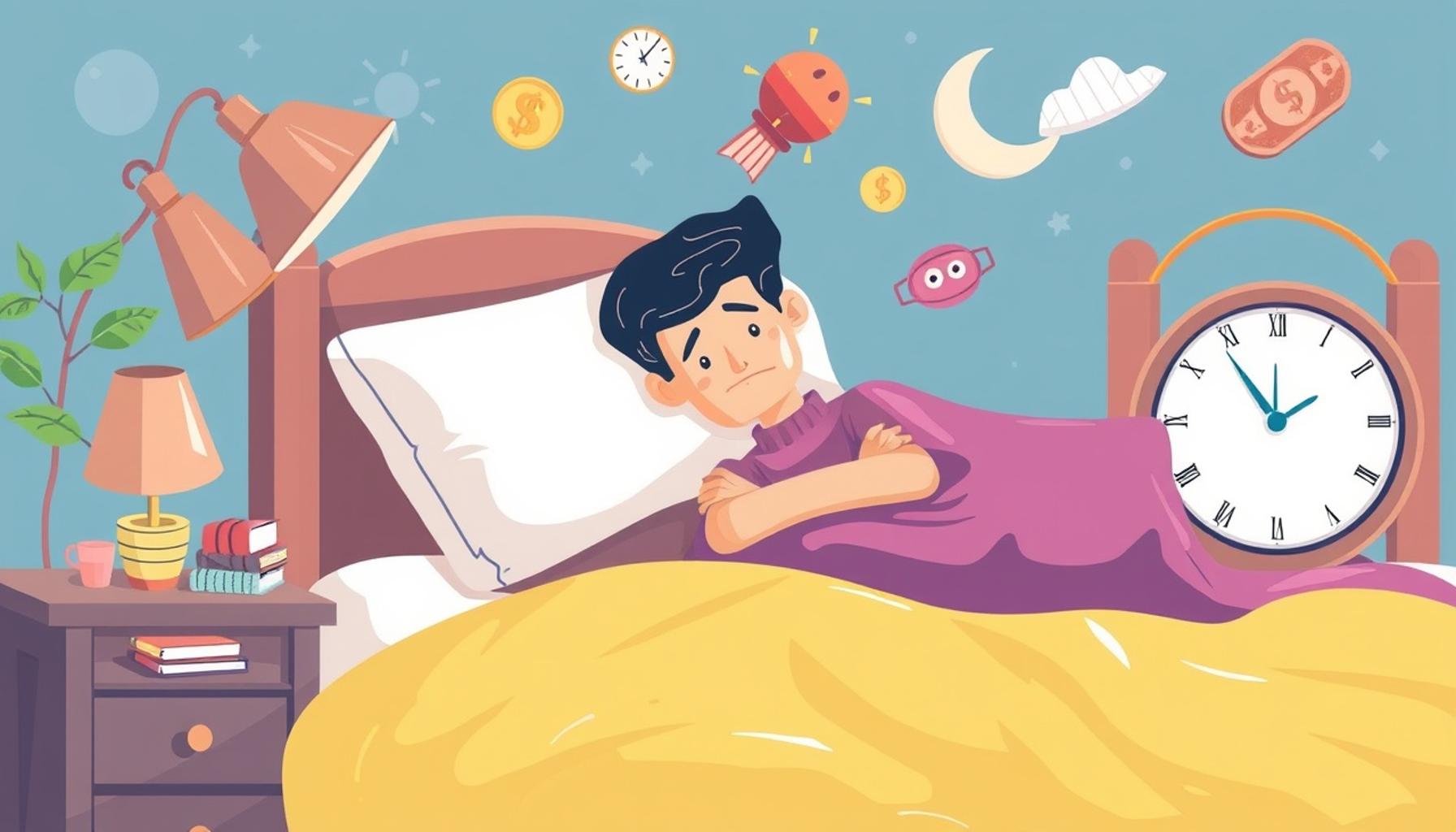
The influence of quality sleep on the ability to cope with daily stress

The Critical Role of Sleep in Stress Management
Quality sleep is not merely a luxury; it’s a fundamental pillar of well-being that is often overlooked in the fast-paced lifestyle that many people lead today. The interplay between sleep and stress cannot be understated, as numerous studies indicate that a well-rested mind and body are essential for building resilience against the challenges of everyday life. In a society where busyness is glorified and sleep is frequently sacrificed, understanding the integral connection between these two elements has never been more critical.
Research reveals compelling connections between sleep quality and stress management:
- Improved cognitive function: Sleep plays a vital role in boosting memory retention and sharpening decision-making abilities. For instance, studies have shown that individuals who get a full night’s sleep are better at solving complex problems, which can lead to more effective stress resolution.
- Emotional regulation: Adequate rest is essential in helping stabilize mood swings, allowing individuals to approach stressful situations with clarity rather than emotional reactivity. This emotional balance is crucial for maintaining healthy relationships and making sound judgments.
- Physical health benefits: Quality sleep strengthens the immune response and reduces the risk of chronic illnesses, such as heart disease and diabetes. This fortification of the immune system can be especially beneficial during high-stress periods, reducing one’s susceptibility to stress-related illnesses.
Conversely, when sleep is compromised, the consequences can be severe, further entrenching individuals in a cycle of stress. Fatigue exacerbates stress levels and can lead to:
- Increased anxiety: Lack of sleep heightens feelings of worry and apprehension, making everyday challenges feel insurmountable.
- Decreased productivity: Sleep deprivation can lead to an inability to concentrate, resulting in difficulties in completing tasks and a decline in overall work performance.
- Weakened relationships: Chronic irritability caused by sleep deprivation can put a strain on personal connections, leading to misunderstandings and conflict.
Understanding the influence of sleep on our ability to cope can provide crucial insights into effective stress management strategies. For instance, implementing sleep hygiene practices—such as maintaining a regular sleep schedule, creating a calming bedtime routine, and minimizing screen time before bed—can help improve sleep quality. As we delve deeper into this topic, we will explore practical methods for enhancing sleep quality and, consequently, fortifying our defenses against daily stressors.
In conclusion, prioritizing sleep is not just about feeling rested; it is an investment in your overall well-being and a powerful tool in the arsenal against stress. By recognizing the profound effects that sleep can have on both our mental and physical health, we can foster healthier lifestyles and improve our capacity to handle life’s inevitable challenges.
Understanding Sleep Quality and Its Impact on Stress Resilience
The relationship between quality sleep and the ability to manage daily stress is a complex yet crucial aspect of mental health. Sleep is not just about resting; it is a dynamic state where the body and mind rejuvenate. According to the National Sleep Foundation, adults should aim for 7 to 9 hours of restful sleep each night to maintain optimal functioning. However, modern-day demands often lead to sleep deprivation, which can severely affect one’s ability to cope with stress. As we delve deeper into the influence of sleep quality on stress management, it becomes evident that good sleep is a strategic advantage in dealing with life’s pressures.
Sleep architecture plays a pivotal role in this equation. It consists of different stages, including REM (Rapid Eye Movement) and non-REM sleep, which collectively contribute to restoration and healing. During REM sleep, the brain processes emotions and experiences; thus, good sleep facilitates emotional processing, allowing individuals to respond to stressors with a balanced mindset. Conversely, poor sleep quality can disrupt this architecture, leading to heightened stress reactivity. Individuals commonly experience what researchers refer to as a sleep-stress feedback loop: insufficient sleep leads to increased stress, which further impairs sleep quality.
Recent studies highlight the myriad ways that sleep deprivation can hinder our stress management capabilities:
- Impaired decision-making: When sleep is lacking, cognitive abilities are diminished, making it difficult to analyze problems and make sound choices in the face of challenges.
- Heightened emotional responses: Difficulty managing emotions can lead to increased frustration and irritability, as one may struggle to control reactions to stress.
- Physical manifestations of stress: Chronic sleep deprivation is linked to physical symptoms such as headaches and fatigue, amplifying the perception of daily stressors.
Understanding the influence of quality sleep on stress responses is vital for developing effective strategies for managing daily challenges. Various factors can be manipulated to enhance sleep quality, which in turn can fortify resilience against stress. For instance, establishing a consistent sleep schedule, engaging in relaxing activities before bedtime, and creating a sleep-friendly environment can significantly improve sleep outcomes. Research indicates that even small changes aimed at promoting better sleep can translate into considerable benefits for mental health and stress regulation.
As we continue to explore the intricate connections between sleep quality and stress management, it becomes apparent that prioritizing sleep is essential not only for emotional stability but also for maintaining an overall sense of well-being. By investing in better sleep practices, individuals can develop a stronger foundation for coping with life’s inevitable pressures. Evidence suggests that those who make sleep a priority often report feeling more equipped to handle stress, highlighting the undeniable link between a well-rested mind and effective stress management.
| Advantage | Description |
|---|---|
| Enhanced Emotional Resilience | Quality sleep contributes to improved mood regulation, allowing individuals to better handle stressors that arise throughout the day. |
| Cognitive Function Improvement | Restful sleep enhances cognitive processes such as decision-making and problem-solving, equipping people with essential tools to navigate daily stress more effectively. |
| Physical Health Benefits | Quality sleep supports overall health by reducing inflammation and lowering the risk of chronic diseases, which indirectly aids stress management. |
| Strengthened Immune Response | Getting enough sleep boosts the immune system, making individuals less susceptible to illnesses that can add to stress. |
The interconnectedness of sleep quality and stress management is significant. Research shows that deep restorative sleep can drastically affect how we perceive and react to stressors. For instance, inadequate sleep often leads to increased anxiety levels, creating a vicious cycle that is hard to escape. Moreover, sleep deprivation impacts various hormones, including cortisol, which is directly involved in our stress response. Regularly practicing good sleep hygiene, such as a consistent sleeping schedule and a calm sleep environment, can help restore and maintain effective stress coping mechanisms. By prioritizing quality sleep, individuals are not just investing in better health—they are also equipping themselves to face life’s challenges with greater resilience. Understanding these aspects paves the way for innovative stress management strategies based on the power of sleep.
Strategies for Enhancing Sleep Quality to Improve Stress Management
As we delve further into the significant correlation between quality sleep and stress resilience, it’s essential to explore actionable strategies for improving sleep quality. Science provides a roadmap, showcasing that certain behavioral adjustments and environmental changes can create a conducive atmosphere for restorative sleep. By prioritizing sleep hygiene, individuals not only enhance their sleep quality but also bolster their ability to handle daily stressors effectively.
Creating a Sleep-Inducing Environment is one of the key factors for improving sleep quality. Research suggests that a dark, cool, and quiet room can significantly enhance the likelihood of achieving uninterrupted sleep. Implementing blackout curtains, using white noise machines, or earplugs can effectively minimize distractions that disrupt the sleep cycle. According to a study published in the journal “Sleep Medicine,” sleeping in a cooler room—ideally between 60 to 67 degrees Fahrenheit—can facilitate deeper sleep stages, including the all-important REM cycle that aids emotional regulation.
Establishing a Consistent Sleep Schedule is another fundamental strategy. Going to bed and waking up at the same time daily strengthens the body’s internal clock, aiding in more consistent sleep patterns. A study conducted by the American Academy of Sleep Medicine found that adults who maintain a regular sleep schedule report feeling less stressed and are better equipped to manage their daily responsibilities. Small deviations can throw off this rhythm, making it vital to strive for consistency even on weekends.
Incorporating Relaxation Techniques before bedtime can also significantly improve sleep quality. Practices such as meditation, deep breathing exercises, or gentle yoga can activate the body’s relaxation response, promoting a state of calm before sleep. A meta-analysis published in “Health Psychology Review” found that individuals who engaged in mindfulness or relaxation techniques before bedtime experienced better sleep quality, which in turn reduced their perceived daily stress.
Mindful Consumption of Stimulants is crucial as well. While caffeine and nicotine might provide a short-term boost in energy, their consumption, particularly in the afternoon and evening, can lead to disturbances in sleep quality. The National Sleep Foundation underscores the importance of being mindful about food and drink intake before bedtime, recommending a caffeine cutoff of at least six hours before sleeping to minimize disruptions to sleep cycles.
The Role of Physical Activity cannot be overlooked either. Engaging in regular exercise has been shown to enhance sleep quality and reduce anxiety levels. According to the Centers for Disease Control and Prevention (CDC), even moderate physical activity like walking or swimming can have a positive impact on sleep patterns. However, it’s essential to time workouts appropriately; exercising too close to bedtime can have the opposite effect, elevating heart rates and making it harder to fall asleep.
Lastly, leveraging technology wisely can also aid in improving sleep quality. While screens emit blue light that can hinder melatonin production, many modern devices now come with night mode settings, reducing blue light exposure in the evening. Several sleep tracking apps are designed to monitor sleeping patterns, helping individuals identify contributing factors and make necessary adjustments. According to a report from the Better Sleep Council, people who use sleep tracking tools are often more aware of their sleep habits and can make informed decisions to optimize their sleep environment.
By implementing these strategies, individuals can significantly enhance their sleep quality, creating a stronger buffer against the stresses of everyday life. As sleep continues to be recognized as a cornerstone of mental health, understanding and addressing its intricate relationship with stress management invites a dialogue about the holistic approaches to achieving well-being in a fast-paced world.
Conclusion: The Vital Link Between Quality Sleep and Stress Management
In our increasingly fast-paced world, the importance of quality sleep emerges as a vital component not only for physical health but also for our emotional resilience. As explored throughout the article, the interconnection between restorative sleep and effective stress management becomes increasingly apparent. Individuals who prioritize sleep hygiene create a solid foundation for better emotional regulation, leading to enhanced coping mechanisms when faced with daily stressors.
By adopting strategies such as optimizing sleep environments, maintaining consistent sleep schedules, and incorporating relaxation techniques, we empower ourselves to tackle life’s challenges more effectively. Furthermore, the conscious consumption of stimulants and the integration of physical activity contribute to improved sleep quality, serving as vital tools in our arsenal against stress.
As researchers and health professionals continue to explore the nuances of sleep and its profound influence on our mental well-being, it becomes clear that the journey to better stress management begins with the simple act of prioritizing sleep. The more we understand the significance of quality sleep, the more equipped we are to navigate the complexities of daily life. Therefore, fostering a culture that values sleep as a necessity, rather than a luxury, may indeed be one of the most impactful changes individuals can make for their overall well-being. Embracing quality sleep could very well be the key to not only surviving but thriving in a world laden with stress.

Linda Carter
Linda Carter is a writer and wellness enthusiast specializing in healthy habits, balanced living, and personal well-being. With extensive experience creating practical content that helps readers improve their daily routines, Linda shares insights on our platform to inspire healthier choices. Her goal is to empower readers with simple advice and effective strategies to build a more balanced, mindful, and fulfilling life.