
The importance of daily meditation for mental well-being
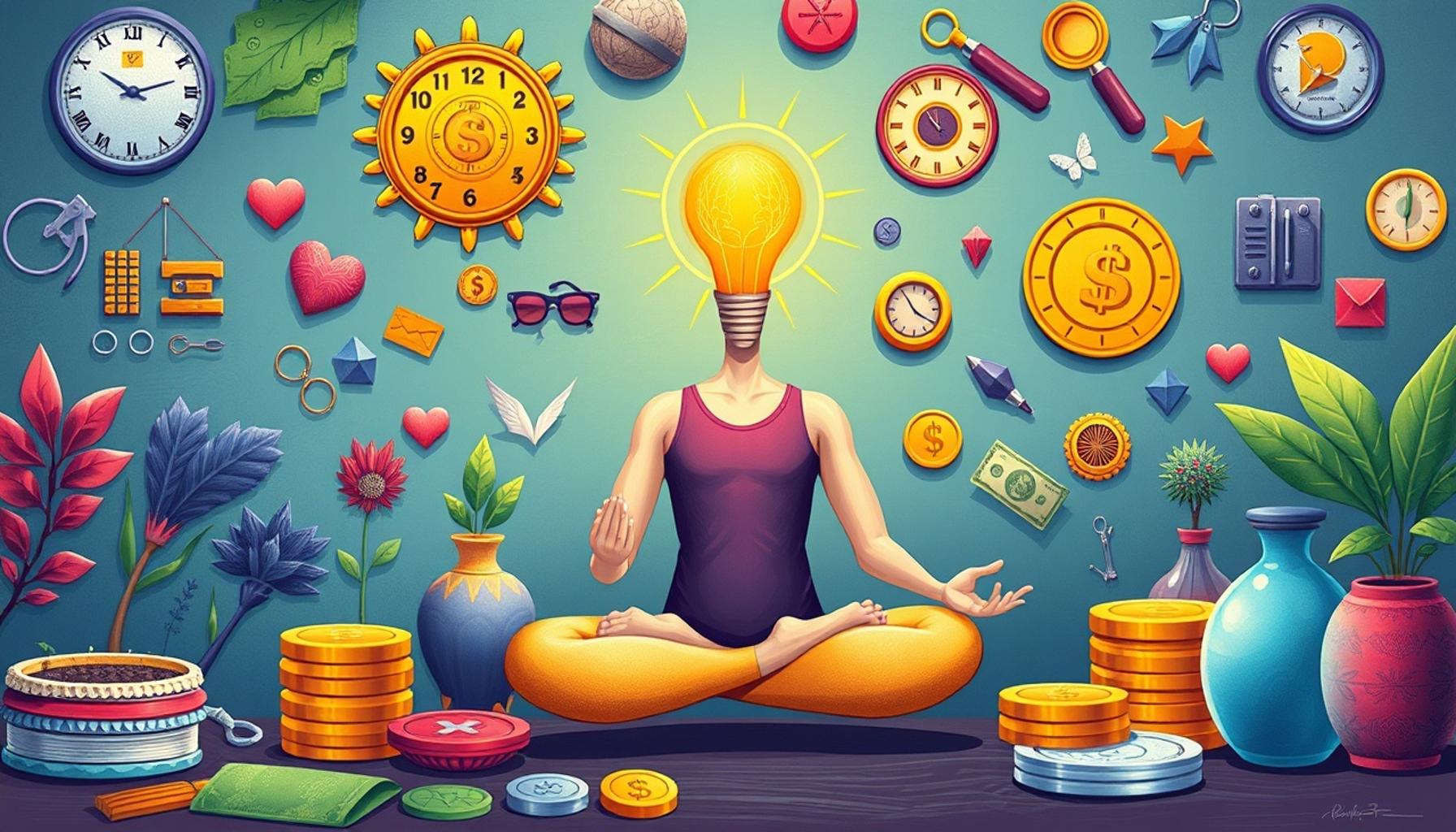
The Transformative Power of Daily Meditation
In a society where the pace of life seems to accelerate every day, people are increasingly turning to innovative methods to manage stress and improve mental health. One such method that deserves recognition is daily meditation. Once viewed as a spiritual or esoteric practice, meditation is now backed by a growing body of scientific research highlighting its significant impact on mental well-being.
Scientific Backing of Meditation
Research from institutions such as Harvard University and the American Psychological Association demonstrates the transformative effects of regular meditation. For instance, a study published in the journal Psychosomatic Medicine found that participants who engaged in mindfulness meditation experienced a notable drop in levels of cortisol, a hormone linked to stress. This evidence points to meditation as a powerful tool for reducing anxiety. Practitioners have reported experiencing fewer instances of racing thoughts, which can often lead to feeling overwhelmed.
Enhanced Focus and Concentration
In addition to alleviating anxiety, meditation is known to enhance focus. Techniques such as focused attention meditation help train the mind to concentrate on a single point, such as the breath or a mantra. As a result, individuals often find daily tasks—be it work assignments or studying—become less daunting, and their productivity increases. As an example, college students practicing meditation have reported improved grades, attributing this success to their sharpened focus and engagement.
Building Emotional Resilience
Furthermore, daily meditation fosters stronger emotional resilience. Regular practitioners are often better equipped to handle stressful situations. They develop healthier coping mechanisms, which can be invaluable in high-pressure environments, such as corporate workplaces or academic settings. By training the mind to approach stress constructively, individuals can learn to respond rather than react, ultimately leading to a more composed demeanor even in challenging circumstances.
Broader Benefits of Meditation
The advantages of integrating meditation into daily life extend beyond stress relief. Regular practice can significantly enhance self-awareness. During meditation, individuals spend valuable time reflecting on their thoughts and feelings, developing a deeper understanding of themselves. This self-knowledge can lead to improved decision-making and greater life satisfaction.
Additionally, improving sleep quality is another noteworthy benefit. A quieter mind translates to better rest, with studies showing that individuals who meditate regularly experience fewer instances of insomnia. This is particularly significant in the U.S., where sleep deprivation is increasingly common.
Moreover, the ripple effects of meditation often improve relationships. Increased empathy and patience from the practice can enhance communication and connection with others, essential elements for building strong personal and professional relationships.
Starting Your Meditation Journey
Given the myriad benefits of meditation, incorporating even a brief daily session can facilitate a path toward a more balanced life. Beginners might start with just five to ten minutes a day, using apps or guided recordings to ease into the practice. Over time, individuals can gradually increase the duration as they become more comfortable. As mental health becomes an ever-prominent concern in the U.S., embracing meditation could be a pivotal step towards holistic well-being.
The Mechanisms Behind Meditation’s Mental Health Benefits
Understanding the intricate mechanisms behind daily meditation can unveil why this practice is a vital component of mental well-being. Meditation engages various cognitive and emotional processes, resulting in profound effects on psychological health. When individuals meditate, they cultivate the ability to focus their attention away from distractions. This practice enhances the prefrontal cortex, the area of the brain associated with decision-making, emotional regulation, and social interactions.
Types of Meditation and Their Unique Benefits
There are several forms of meditation, each offering distinct advantages that can cater to different needs and preferences. Here are some popular types of meditation and how they contribute to mental health:
- Mindfulness Meditation: This approach emphasizes staying present and aware of thoughts and feelings without judgment. Research shows that mindfulness can reduce symptoms of depression and anxiety, leading to improved emotional regulation and resilience.
- Transcendental Meditation: This technique involves silently repeating a mantra, which can induce a profound state of relaxation. Studies have indicated that those who practice Transcendental Meditation often report a significant reduction in stress and an uplift in overall mood.
- Guided Visualization: In this form, practitioners visualize calming images or scenarios, which can help to alleviate stress and foster a sense of peace. It is particularly beneficial for individuals struggling with chronic stress or trauma.
- Breath Awareness: Focusing on the breath can be a simple yet powerful method to center the mind. This technique is particularly effective in managing acute anxiety and enhancing relaxation.
Each of these methods can be tailored to fit the practitioner’s lifestyle and preferences, making meditation an accessible and versatile tool for mental health improvement.
The Broader Impact of Daily Meditation
Integrating daily meditation into one’s routine does not merely address individual well-being. The broader impact can be felt in community settings and relationships. Regular meditators often exhibit increased empathy and understanding towards others, which can lead to healthier, more supportive social interactions. By promoting compassion and patience, meditation can help mitigate conflicts and foster teamwork, especially in high-stress environments such as workplaces and schools.
Moreover, meditation can serve as a preventative measure. Studies suggest that individuals who engage in regular meditation exhibit a lower incidence of mental health disorders, making meditation not just a remedy but a proactive strategy toward maintaining mental balance.
In the current climate, where mental health issues are increasingly prevalent in the United States, the momentum toward daily meditation is not only beneficial but necessary. Embracing this practice can lead to longer-term solutions, shaping a future where mental well-being is prioritized across all facets of life.
The Importance of Daily Meditation for Mental Well-Being
Meditation has increasingly become recognized as a vital practice for enhancing mental health. The importance of daily meditation cannot be overstated, as it provides numerous benefits that contribute significantly to overall well-being. Research has shown that integrating a simple meditation routine into your daily life can foster a deeper sense of calmness and a clearer state of mind.
One of the most substantial advantages of daily meditation is its ability to reduce stress levels. When practiced consistently, meditation has been shown to lower the body’s levels of cortisol, the stress hormone, thereby paving the way for a calmer mental state. Regular meditation can help individuals manage emotional upheavals more effectively, leading to enhanced resilience against everyday challenges.
Moreover, a daily meditation habit enhances focus and concentration. By training the mind to be present in the moment, individuals often find that their productivity levels improve. This shift can lead to greater satisfaction in personal and professional realms, making meditation an invaluable tool for anyone seeking to maximize their potential.
Incorporating meditation into your daily routine can also lead to improved emotional regulation. Over time, practitioners often experience better control over their feelings, reducing occurrences of anxiety and depression. The nurturing effect of meditation allows individuals to cultivate positive thoughts and a more optimistic outlook on life.
To delve deeper into the benefits of meditation, the following table outlines key advantages related to mental well-being, capturing the essence of this transformative practice.
| Advantages of Meditation | Description |
|---|---|
| Stress Reduction | Lowers cortisol levels, promoting relaxation and calmness. |
| Enhanced Focus | Improves concentration and productivity levels in daily tasks. |
As you explore the various layers of meditation, you’ll find that its influence on overall mental well-being extends far beyond these initial advantages. Embracing a daily practice can offer profound changes in both your emotional state and your outlook on life.
The Science of Meditation and Its Transformative Effects
Recent studies have illuminated the transformative effects of meditation on the brain’s structure and functioning. Neuroimaging research has demonstrated that regular meditation can lead to increased gray matter density in regions associated with memory, feelings of empathy, and emotional regulation, such as the hippocampus. This cerebral change is significant, as it implies that engaging in meditation can enhance cognitive functions while simultaneously promoting emotional stability.
Furthermore, meditation influences the body’s physiological responses, particularly in relation to stress management. When individuals meditate, the body activates the parasympathetic nervous system, which counteracts the stress-induced fight-or-flight response by reducing heart rate and blood pressure. This physiological shift not only enhances feelings of relaxation but also facilitates a sense of overall well-being.
Moreover, meditation can play a key role in addressing issues related to neuroticism—a personality trait characterized by anxiety, moodiness, and emotional instability. A study published in the journal Personality and Individual Differences showed that consistent mindfulness meditation practice can decrease neuroticism levels while increasing overall levels of happiness and life satisfaction. This suggests that meditation acts as a counterbalance to the emotional turbulence often experienced in daily life.
The Role of Technology in Modern Meditation Practices
In today’s fast-paced world, technology has facilitated the accessibility of meditation. Numerous mobile applications and online platforms offer guided sessions aimed at a variety of needs, such as stress relief, anxiety reduction, and enhanced focus. Apps such as Headspace and Calm provide structured programs that can introduce beginners to meditation while fostering sustained practice for seasoned meditators.
Virtual community forums and online courses empower users to connect with like-minded individuals, creating a sense of shared experience that can enhance motivation and commitment to practicing meditation daily. This sense of community is increasingly crucial, especially as many people navigate feelings of isolation and disconnect in a digitally oriented age.
Integrating Meditation into Daily Routines
Despite the myriad benefits associated with daily meditation, many individuals struggle to incorporate the practice into their busy lives. To counter this, experts suggest starting with brief meditation sessions, gradually increasing duration over time. Even just five to ten minutes a day can establish a solid foundation for mental health benefits. Practicing meditation first thing in the morning or at night can help establish a routine that naturally integrates into one’s daily schedule.
Additionally, creating a specific meditation space can enhance the experience. A quiet, comfortable area filled with tactile elements like cushions or soft lighting can cultivate an inviting environment conducive to mindfulness. With consistent practice, meditation can evolve from a mere activity into a lifestyle choice, providing lasting improvements in mental clarity and emotional resilience.
The pursuit of mental well-being through meditation offers a powerful pathway to greater self-awareness and emotional control. As more individuals turn towards this ancient practice, the potential for collective mental health improvements becomes increasingly apparent. Embracing daily meditation is not merely a personal journey but a step towards a healthier society.
Conclusion: Embracing Daily Meditation for Lasting Mental Well-Being
In summary, the importance of daily meditation for mental well-being cannot be overstated. This practice is not merely a method of relaxation but a comprehensive approach that fosters emotional resilience, enhances cognitive function, and supports a healthier lifestyle. As demonstrated through various scientific studies, regular meditation leads to increased gray matter in the brain, positively impacting memory and emotional regulation. With the power to activate the parasympathetic nervous system, meditation provides a natural antidote to the stressors of modern life, helping individuals maintain equilibrium amidst chaos.
Furthermore, the advent of technology has made meditation more accessible than ever, allowing users to engage with guided sessions that cater to their psychological needs. As people navigate through feelings of loneliness and anxiety, finding a virtual community centered around mindfulness can bolster commitment and enhance the overall experience. By integrating meditation gradually into daily routines, individuals can unlock a pathway to profound mental improvement, enriching their lives with greater clarity and peace.
Ultimately, the journey towards mental well-being through daily meditation is not just a personal endeavor; it is a necessary collective shift. As more people embrace this transformative ritual, the ripple effects could lead to a more harmonious society, encouraging healthier minds and fostering richer connections. To ensure that the benefits of meditation are harnessed fully, one must not only practice consistently but also advocate for its integration into broader mental health frameworks.

Linda Carter
Linda Carter is a writer and wellness enthusiast specializing in healthy habits, balanced living, and personal well-being. With extensive experience creating practical content that helps readers improve their daily routines, Linda shares insights on our platform to inspire healthier choices. Her goal is to empower readers with simple advice and effective strategies to build a more balanced, mindful, and fulfilling life.