
Mindful Movement: The Benefits of Yoga and Tai Chi for Overall Wellness
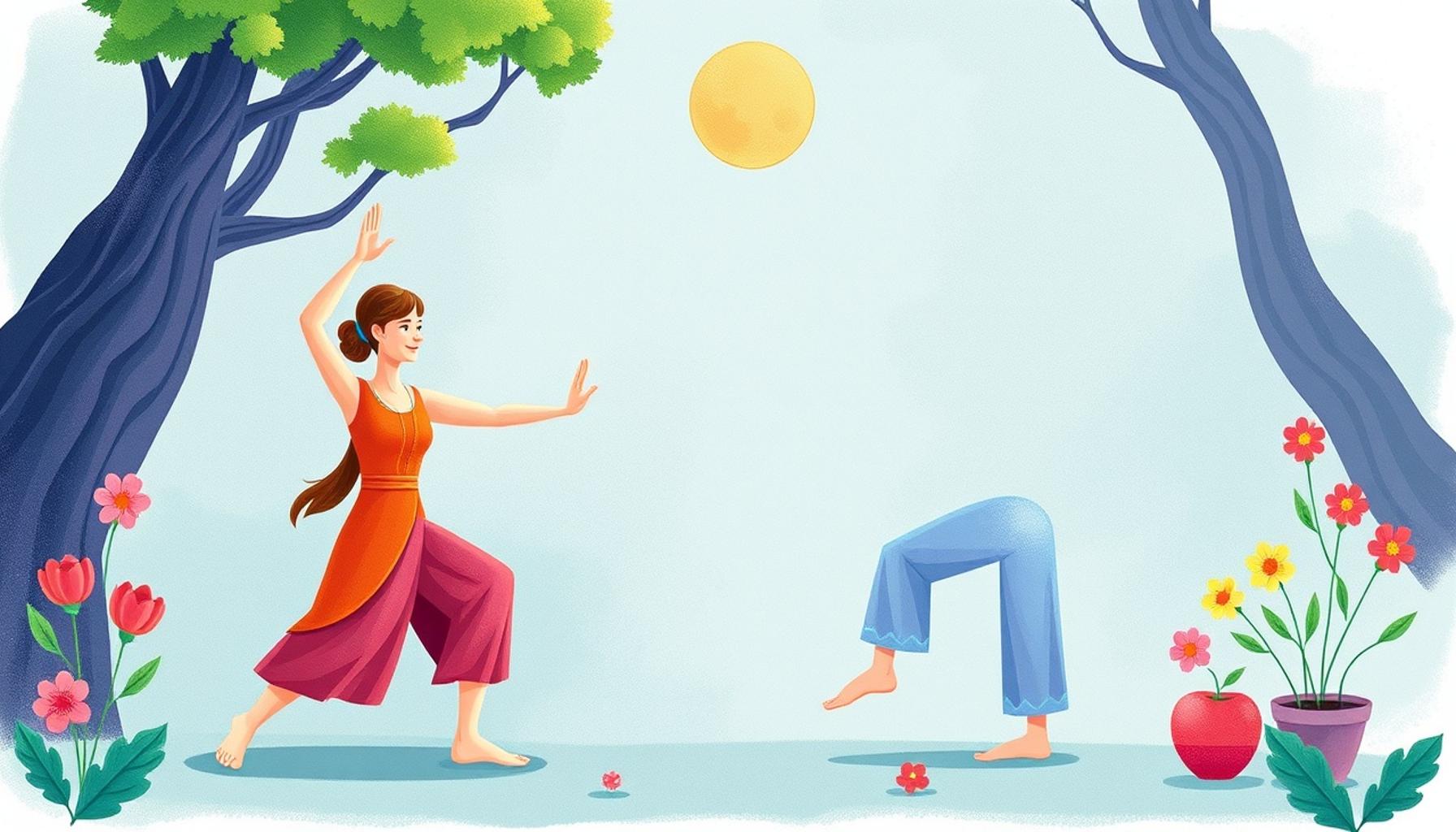
Unlocking the Benefits of Mindful Movement
In a world where the hustle and bustle of daily life often overwhelms our senses, it becomes essential to seek practices that promote holistic wellness. Among the most transformative are yoga and Tai Chi, both ancient arts that have found a vibrant following in the United States. These practices not only focus on enhancing physical health but also play a pivotal role in nurturing mental and emotional well-being, creating a well-rounded approach to personal health.
The Essence of Mindful Movement
At the core of both yoga and Tai Chi is the principle of mindful movement. This involves being fully present during each movement, allowing individuals to forge a stronger connection between the body and mind. This mindfulness can lead to profound changes in how one perceives their physical and emotional landscape.
Here are some notable benefits that practitioners can experience:
- Improved Flexibility: Engaging in these practices regularly enhances muscle elasticity and joint mobility. For example, yoga poses like Downward Dog and warriors can significantly loosen tight muscles.
- Stress Reduction: The combination of deep breathing and focused movements helps alleviate anxiety. Long-held yoga poses and the fluid motions of Tai Chi are particularly effective in calming the nervous system.
- Enhanced Focus: By fostering mindful engagement, participants cultivate concentration and mental strength, which can have beneficial effects on work or study routines.
- Better Posture: Both practices emphasize core strength, which can lead to improved alignment and a decrease in back pain—a common complaint in our sedentary society.
- Increased Balance: Regular practice improves physical stability, crucial for adults as they age, reducing the likelihood of falls and injuries.
Cultural Adoption and Accessibility
The rising popularity of yoga and Tai Chi reflects a broader understanding of wellness that resonates with many Americans. Across the country, community centers, gyms, and local parks frequently host classes designed for all ages and skill levels. For instance, many cities offer free Tai Chi sessions in public parks, providing an accessible option for anyone looking to incorporate mindful movement into their routine.
As the notion of wellness continues to evolve, integrating practices such as yoga and Tai Chi into daily life is emerging as a fulfilling choice. Not only do these practices offer a pathway to physical fitness, but they also serve as holistic approaches to mental clarity and emotional stability, prompting individuals to explore their potential for well-being.
With countless resources available online, from instructional videos to virtual classes, embarking on a journey into the world of yoga and Tai Chi can be both an enriching and transformative experience. Whether you are a beginner or looking to deepen your practice, the benefits of these ancient disciplines are worth exploring.
Transforming Mind and Body: The Science Behind Yoga and Tai Chi
The benefits of yoga and Tai Chi extend well beyond the confines of physical fitness, intertwining with mental and emotional health to cultivate overall wellness. Research supports these ancient practices, indicating significant improvements in various aspects of daily living. For instance, numerous studies reveal that individuals who engage in regular yoga practice often report decreased levels of cortisol, a stress hormone, leading to an enhanced state of relaxation and well-being.
Similarly, Tai Chi, often described as “meditation in motion,” has garnered attention for its ability to foster mindfulness and calm. A study published in the research journal Preventive Medicine highlighted that participants who practiced Tai Chi twice a week showed notable reductions in anxiety and stress-related symptoms. These findings underscore the importance of movement not just as a physical endeavor, but as a pivotal aspect of mental health improvement.
Physical Benefits Encompassed in Mindful Movement
Before delving into the emotional and mental advantages, it is crucial to acknowledge the physical enhancements that yoga and Tai Chi offer. Regular practice of these mindful movements can yield incredible benefits, including:
- Increased Strength: Engaging in the diverse poses of yoga and the fluid motions of Tai Chi builds muscular endurance and strength, essential for overall health maintenance.
- Enhanced Range of Motion: Both practices include movements that require stretching and extension, thereby improving joint health and alleviating stiffness.
- Elevation of Energy Levels: The dynamism of Tai Chi and the invigorating stretches of yoga work to boost energy, allowing practitioners to feel more lively throughout their day.
- Cardiovascular Health: Studies indicate that consistent yoga practice can lead to lower blood pressure and improved circulation, contributing positively to heart health.
- Improved Sleep Quality: Many practitioners find that the calming effects of these practices not only ease stress but also enhance sleep quality, leading to more restorative slumber.
Combining these physical benefits with the mental advantages creates a robust foundation for achieving holistic wellness. By also focusing on breath control—a central aspect of both yoga and Tai Chi—participants can learn to manage their breathing, which can help reduce feelings of stress and promote relaxation.
Understanding these intertwined benefits can be pivotal for those seeking a balanced approach to health. With the growing body of evidence supporting the efficacy of yoga and Tai Chi, individuals are encouraged to explore how these mindful movements can play a vital role in their wellness journey.
| Benefits of Yoga | Advantages of Tai Chi |
|---|---|
| Enhances Flexibility | Improves Balance |
| Yoga poses, or asanas, encourage muscle stretching, which can help to alleviate stiffness and improve overall flexibility. | Tai Chi is often referred to as “meditation in motion,” enhancing stability and preventing falls, especially in older adults. |
| Reduces Stress | Promotes Mind-Body Connection |
| Yoga incorporates breathing techniques that help lower cortisol levels, significantly reducing stress and promoting relaxation. | Through its slow and deliberate movements, Tai Chi integrates mind and body, fostering a sense of inner peace and enhancing emotional well-being. |
The incorporation of both Yoga and Tai Chi not only provides physical benefits, but also offers profound mental wellness advantages. Each practice contributes uniquely to the holistic enhancement of one’s health, showcasing the powerful role that mindful movements can play in balancing our lives. Whether you are looking to improve flexibility or lower stress levels, exploring both disciplines is a worthy pursuit that can lead to a more fulfilled and healthy life.
Cultivating Connection: The Emotional and Social Dimensions of Mindful Movement
The significance of yoga and Tai Chi transcends their physical practices, deeply impacting emotional resilience and social connections. In our fast-paced society, where stressors abound, fostering emotional health is more crucial than ever. Mindful movement serves as a gentle yet profound tool for managing emotions and enhancing the quality of interpersonal relationships.
Engaging in yoga has been shown to improve emotional regulation—an essential skill in maintaining healthy relationships and navigating life’s challenges. A study published in the Journal of Alternative and Complementary Medicine found that participants practiced yoga exhibited increased levels of compassion and empathy. This enhancement in emotional awareness can lead to stronger social bonds, as individuals better understand their own feelings and the feelings of others. The practice fosters an environment where participants can cultivate a deeper connection with themselves while also becoming more attuned to their social circles.
Tai Chi, often practiced in groups, has inherent social benefits as well. The communal aspect of practicing Tai Chi can be particularly beneficial for older adults, promoting a sense of belonging and reducing feelings of loneliness. Research published in the Journal of Aging and Physical Activity noted that group Tai Chi sessions significantly enhanced participants’ social support networks, contributing to improved mental health outcomes. Feeling connected to others is a key component of overall wellness, and these shared experiences can bolster a sense of community.
The Mind-Body Connection: Enhancing Mental Clarity and Focus
A core principle of both yoga and Tai Chi is the cultivation of the mind-body connection, an interplay that significantly enhances mental clarity and focus. By synchronizing breath with movement, participants develop a heightened sense of awareness. This presence not only mitigates distractions but also promotes cognitive function, a vital asset in our information-saturated world.
Yoga is particularly effective in improving attention span. According to a study in the International Journal of Yoga, students who engaged in regular yoga classes reported improvements in their concentration and memory retention, making it an ideal practice for individuals seeking to enhance their academic or professional performance. The mindfulness developed during yoga encourages a state of alert relaxation, which is conducive to enhanced productivity.
Meanwhile, Tai Chi’s flowing movements foster a meditative state, allowing practitioners to experience an increase in creativity and problem-solving abilities. A 2020 study in Psychological Reports found that participants practicing Tai Chi reported improved cognitive flexibility, illustrating how the artful practice can enhance mental agility and adaptive thinking.
Mental Health Interventions: A Pathway to Healing
The therapeutic potential of yoga and Tai Chi is gaining recognition, especially in mental health interventions. Both practices are increasingly integrated into treatment plans for conditions such as anxiety, depression, and PTSD. Evidence shows that mindfulness-based interventions can significantly improve symptoms and foster coping skills. A randomized controlled trial published in the Journal of Clinical Psychology indicated that participants engaging in a structured yoga program experienced notable reductions in depressive symptoms and anxiety levels over time.
In light of the growing mental health crisis, the integration of mindful movement practices in therapeutic settings highlights a vital avenue for compassionate care. Those exploring effective methods to bolster overall well-being through unconventional means may discover that yoga and Tai Chi provide not only physical benefits but also essential emotional and mental support, paving the way for a more holistic approach to health and wellness.
Conclusion: Embracing Mindful Movement for a Healthier Future
In an era marked by increasing stress and disconnection, yoga and Tai Chi emerge not just as physical exercises, but as transformative practices that cultivate holistic wellness. The multifaceted benefits of these mindful movements extend far beyond the physical realm, providing emotional resilience, enhancing mental clarity, and fostering meaningful social connections. As we have explored, the integration of yoga and Tai Chi into daily life can significantly improve mental health by offering effective coping mechanisms against anxiety, depression, and other psychological challenges.
Moreover, by building a solid mind-body connection, practitioners are better equipped to navigate the complexities of modern life, enhancing focus and creativity in both personal and professional domains. The communal aspect of Tai Chi not only enriches individual well-being but also nurtures community bonds, addressing the growing trend of social isolation and loneliness.
As the evidence supporting these practices continues to grow, it becomes increasingly clear that incorporating mindful movement into our lives is not merely beneficial, but essential for overall well-being. Whether you are a seasoned practitioner or new to the journey, embracing yoga and Tai Chi invites an opportunity to reconnect with oneself and with others. It opens pathways to healing and resilience, encouraging individuals to cultivate a lifestyle that honors both the body and the mind.
As we look forward, consider exploring local classes or online resources to experience the profound impact of mindful movement for yourself. In doing so, you join a vibrant community of individuals who are not only improving their health but also harnessing the powerful synergy of mind, body, and spirit.

Linda Carter
Linda Carter is a writer and wellness enthusiast specializing in healthy habits, balanced living, and personal well-being. With extensive experience creating practical content that helps readers improve their daily routines, Linda shares insights on our platform to inspire healthier choices. Her goal is to empower readers with simple advice and effective strategies to build a more balanced, mindful, and fulfilling life.