
Exploring the Benefits of Group Sports: Building Community and Encouraging Regular Exercise
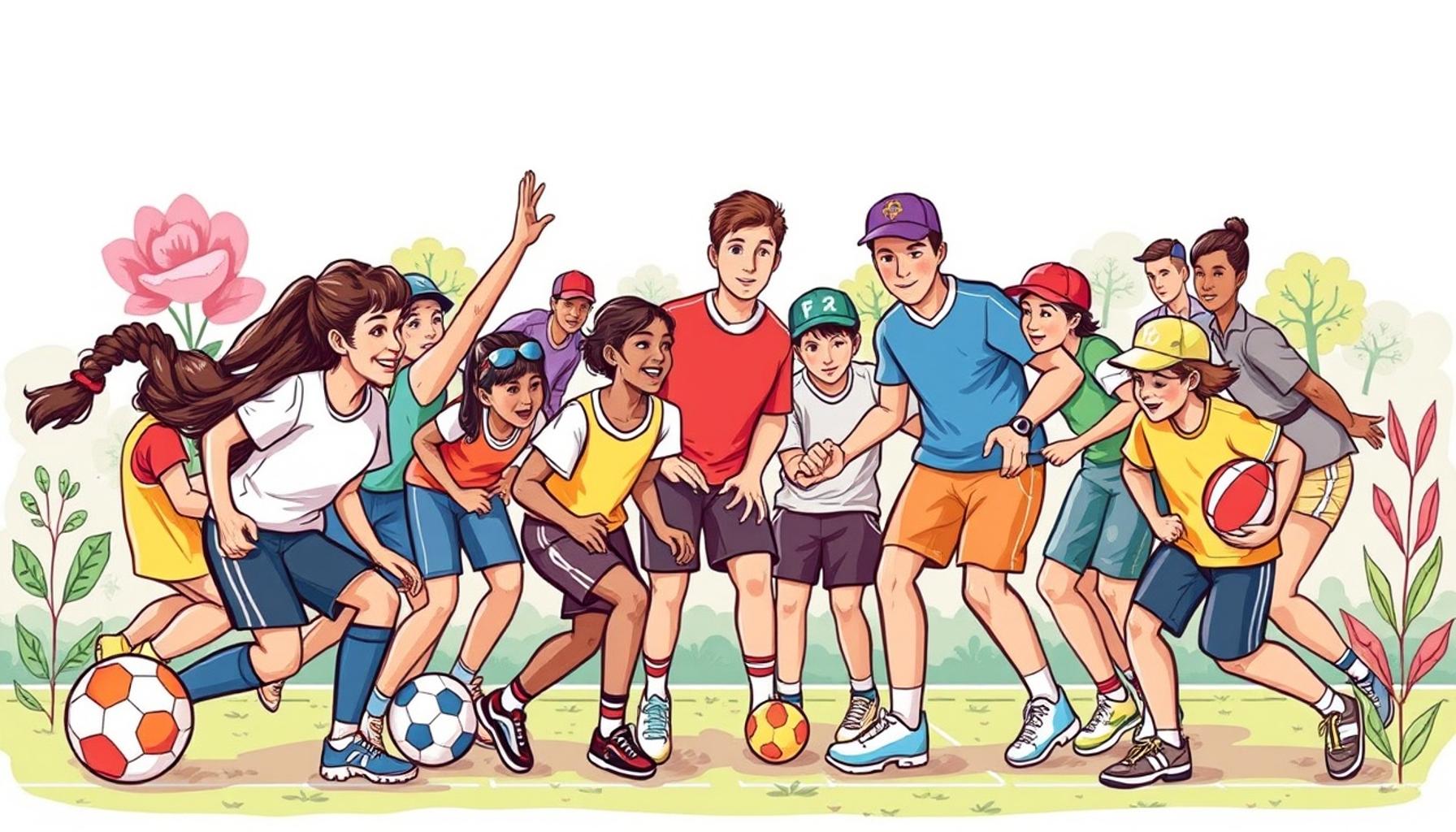
The Benefits of Group Sports
Participating in group sports goes beyond just improving physical fitness; it is an experience that cultivates camaraderie, teamwork, and community. Members of a sports team are not only focused on achieving victory but also on committing to shared experiences that foster connections. These sports bring people together in powerful ways, creating bonds that can extend beyond the playing field.
Enhanced Motivation
One of the most significant advantages of engaging in group sports is the enhanced motivation that comes from being part of a collective effort. When individuals train or compete in a supportive environment, they tend to push their limits further than they might do alone. For instance, a study conducted by the University of California found that participants who trained with a team reported increased adherence to workout schedules—over 30% more than individuals who exercised alone. The competitive spirit and encouragement from teammates act as powerful motivators, driving individuals to show up and give their best.
Social Connections
Another substantial benefit of group sports is the opportunity to build social connections. Whether it’s a local soccer club, an adult softball league, or a yoga class, these environments foster relationships among individuals with common interests. For example, many friendships in adulthood emerge through sports leagues, as people connect during practices, games, or team outings. A report from the American Psychological Association points out that engaging in routine group activities reduces feelings of isolation and encourages a sense of belonging—a vital component for well-being.
Improved Mental Health
In addition to physical benefits, group sports are closely linked to improved mental health. Regular participation can alleviate symptoms of anxiety and depression, often attributed to the release of endorphins during exercise. Group dynamics also play a critical role; being part of a supportive network can create a safety net for individuals who may otherwise feel alone. Programs like “Girls on the Run,” which empower young girls through running while emphasizing self-esteem and positive relationships, illustrate this benefit effectively.
Communities across the United States recognize these advantages through vibrant recreational programs that cater to various age groups and skill levels. From youth leagues promoting sportsmanship to adult leagues offering a competitive yet social environment, the options are vast and accessible. Initiatives like these not only improve public health metrics but also strengthen community ties.
The impact of social media on group sports cannot be overlooked either. Platforms like Instagram and Facebook have allowed athletes to share their journeys, celebrate milestones, and cultivate a culture of support. The visibility of achievements—such as completing a marathon as a team or winning a local championship—fosters collective pride and encourages others to join in. This online community solidifies the notion that fitness is not just a solitary pursuit but can be an exciting social journey.
In summary, group sports offer a multitude of advantages ranging from fitness improvements to enhanced social interactions and mental health benefits. They create an ecosystem where individuals feel valued and connected, making physical activity a culturally enriching experience. The growing popularity of community sports initiatives indicates just how vital these activities are in constructing healthy, engaged, and supportive communities.
Fostering Teamwork and Leadership Skills
Group sports not only enhance physical fitness but also serve as a platform for developing teamwork and leadership skills. When individuals come together as part of a team, they learn to collaborate, share responsibilities, and contribute to a common goal. These collaborative efforts cultivate essential life skills that can be transferred to various aspects of life, including personal relationships and workplace environments.
Research has shown that teamwork is integral to the success of any group activity. A study by the Boston University School of Management found that engaging in team sports can improve communication skills significantly. Participants learned to express their thoughts effectively while also listening to teammates, building mutual respect and understanding in the process. As players learn to navigate their roles within a team, they also experience growth in leadership abilities. Captaining a team or guiding a group member can build confidence and enhance decision-making skills.
Physical Health Benefits
The physical health benefits associated with group sports are numerous, with studies consistently showing that regular participation in physical activities can lead to a healthier lifestyle. The Centers for Disease Control and Prevention (CDC) emphasizes the importance of meeting the recommended exercise guidelines of at least 150 minutes of moderate-intensity aerobic activity each week. Group sports provide an enjoyable way to meet these requirements while also motivating participants to engage regularly.
Some critical physical health benefits of group sports include:
- Improved cardiovascular health: Engaging in regular aerobic exercise helps strengthen the heart and improve overall circulation.
- Weight management: Team sports often involve high levels of activity, which contribute to burning calories and maintaining a healthy weight.
- Enhanced flexibility and strength: Different sports demand various physical skills, which can help improve overall body strength and flexibility.
- Reduced risk of chronic diseases: Regular participation in sports can lower the risk of conditions such as obesity, diabetes, and heart disease.
Furthermore, group sports encourage members to remain accountable for one another’s involvement, leading to healthier habits that extend outside the sports context. With teammates cheering each other on, individuals are more likely to commit to not just practices and games, but also to personal fitness goals. This accountability factor transforms physical activity from a chore into a shared adventure, making it more enjoyable and sustainable over time.
Inclusivity and Accessibility
Group sports also play a vital role in promoting inclusivity and accessibility within communities. Organizations and leagues across the United States are increasingly focused on providing opportunities for people of all ages, backgrounds, and skill levels to participate. Whether it’s engaging children in youth soccer leagues or facilitating adaptive sports for individuals with disabilities, group sports can break down barriers and unite diverse populations.
As communities recognize the importance of inclusivity, they pave the way for a culture where everyone has the opportunity to participate, thrive, and forge long-lasting friendships through the shared experience of sport. Over time, these connections can lead to a stronger sense of community that benefits all involved, highlighting the importance of teamwork and collaboration beyond the playing field.
Exploring the Benefits of Group Sports
When we think about engaging in group sports, the immediate vision might revolve around competition and individual prowess. However, the profound sense of community that group sports engender is equally significant. Whether it’s a casual soccer match in the park or a weekly basketball game, these activities cultivate connections that transcend mere play.
One of the strongest appeals of participating in group sports is the social interaction that occurs. Participants often form bonds as they work together towards common goals, leading to a sense of belonging. This environment fosters friendships that might carry into other areas of life, creating a network of social support. Many people find the motivation to attend regular practices and games grows stronger when they know they are part of a team.
Moreover, engaging in group sports encourages individuals to push their physical limits. When participating in a team, good-natured competition often leads to enhanced performance levels. Research indicates that people are more likely to stick to their fitness routines when they are accountable to others. This accountability is an important factor in the quest for a more active lifestyle.
Additionally, the variety of sports available means that everyone can find an activity that piques their interest, from team-based sports like basketball and football to leisure activities such as ultimate frisbee. This diversity allows for greater inclusion, welcoming individuals of all skill levels and backgrounds.
| Social Benefits | Physical Benefits |
|---|---|
| Increased Sense of Belonging | Encourages Regular Exercise |
| Enhanced Teamwork Skills | Improved Physical Health |
Ultimately, the tapestry of group sports is woven with the threads of community and wellbeing. Each participant plays a unique role, reinforcing the notion that sports can be a remarkable vehicle for growth, both personally and socially. Whether you’re looking to make new friends, challenge yourself physically, or simply enjoy the thrill of the game, group sports offer an unparalleled avenue to achieve these goals.
Strengthening Social Bonds and Mental Well-Being
Group sports offer profound benefits not only for physical health but also for strengthening social bonds and enhancing mental well-being. The camaraderie developed among teammates fosters a sense of belonging that is crucial for emotional health. Research conducted by the American Psychological Association indicates that individuals who engage in sports within a group setting often report lower levels of anxiety and depression. The friendships formed on the field or court provide vital social support that can improve overall mental resilience.
These social interactions also serve a functional purpose. When individuals feel connected to a community, they are more likely to engage in healthy behaviors and maintain a consistent exercise routine. A study published in the Journal of Public Health found that those who participate in team sports are significantly more likely to meet physical activity guidelines compared to those who exercise alone. This is attributed to the mutual encouragement among players, as teammates motivate one another to show up for practices and games, creating a culture of accountability.
Building Lifelong Friendships
Participating in group sports often leads to the formation of lifelong friendships. The shared experiences of competition, practice, and celebration forge deep connections that can transcend the boundaries of the playing field. From middle school soccer teams to adult recreational leagues, these relationships can enrich one’s social life and provide a support system that extends beyond sports. Parents frequently see the benefits of group sports for their children, noting the friendships formed can ease the transition into new schools or communities.
Furthermore, intramural leagues and community sports organizations thrive on this concept of friendship-building. The National Recreation and Park Association (NRPA) recognizes that community-based sports programs serve as social hubs for residents, especially in urban areas where social isolation can be prevalent. Many adults rediscover the joy of sports while participating in recreational leagues, which not only contributes to physical fitness but also provides a space to meet new people and develop friendships.
Creating a Positive Environment for All
Group sports inherently promote positivity and support. This encouraging environment can have a substantial impact on participants’ mental health. Coaches and teammates work together to foster an atmosphere of respect, fun, and camaraderie, which can be particularly beneficial for children and adolescents. A positive sporting environment promotes self-esteem and encourages individuals to take risks, which is essential for personal growth. The skills learned in these settings can help shape young athletes into well-rounded individuals.
Experts suggest that involvement in group sports can significantly improve social skills such as teamwork, collaboration, and empathy. A key contributor to this development is the diverse interactions that occur when players from various backgrounds come together. This diversity within teams can help break stereotypes and create understanding through shared goals, encouraging students and adults alike to view one another as allies rather than competitors.
As communities continue to embrace group sports, the benefits extend beyond physical health; they encompass emotional well-being and social connection. These activities are integral in nurturing a culture where individuals feel valued and supported, illustrating that the impact of group sports reaches far beyond mere exercise.
Conclusion: Embracing the Power of Togetherness in Sports
In summary, the allure of group sports extends far beyond simply improving physical fitness. The myriad benefits—including the fostering of community, the enhancement of mental well-being, and the cultivation of deep friendships—underscore the importance of engaging in collective physical activities. Participating in team sports not only leads to improved health outcomes but also encourages individuals to establish lasting connections with others, creating a supportive environment that promotes accountability and consistency in exercise.
The impact of group sports is especially pertinent in today’s fast-paced society, where social isolation is increasingly common. By joining local leagues or participating in community-based sports programs, individuals can combat loneliness and build robust social networks, enriching both their lives and the lives of those around them. Moreover, the lessons learned in these athletic settings—such as teamwork, respect, and perseverance—extend well beyond the field, nurturing personal and social growth.
As we continue to explore the benefits of group sports, it is crucial for communities, schools, and recreational organizations to invest in these initiatives, ensuring that people of all ages have access to engaging and fulfilling group activities. Ultimately, embracing the spirit of teamwork not only enhances individual lives but also weaves a stronger social fabric, highlighting the profound impact of sports in cultivating healthy, connected communities.

Linda Carter
Linda Carter is a writer and wellness enthusiast specializing in healthy habits, balanced living, and personal well-being. With extensive experience creating practical content that helps readers improve their daily routines, Linda shares insights on our platform to inspire healthier choices. Her goal is to empower readers with simple advice and effective strategies to build a more balanced, mindful, and fulfilling life.