Creative Outlets: Exploring Art and Music as Stress Relievers
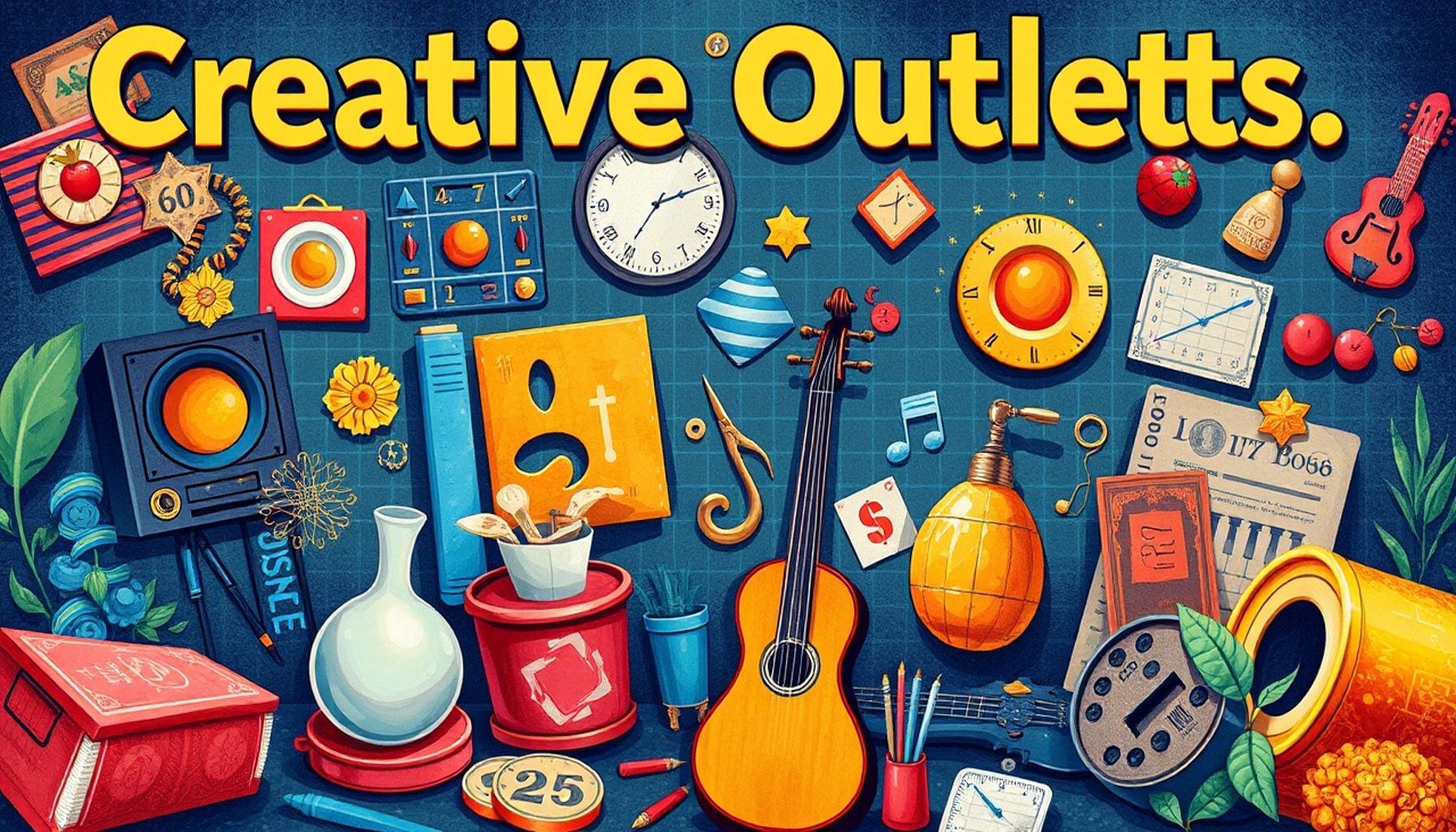
Unwinding Through Creativity
In today’s fast-paced world, finding ways to manage stress has become essential. Creative outlets like art and music offer powerful solutions that can enhance well-being. Engaging in such activities not only provides relief but also fosters personal growth.
Did you know that studies show creative expression can reduce anxiety and boost mood? According to a report by the American Psychological Association, engaging in creative tasks can significantly decrease stress levels and promote overall emotional health. Here are some remarkable benefits of exploring these creative channels:
- Emotional Expression: Art and music allow for the expression of feelings that might be difficult to articulate. For example, someone dealing with grief may find solace in painting or playing music as a way to channel their emotions.
- Mental Clarity: Engaging in creative activities can help clear your mind and improve focus. Activities like doodling or playing the piano can serve as meditative practices, bringing about a state of mindfulness that enhances concentration.
- Social Connection: Participating in group classes or community art projects fosters a sense of belonging. Community orchestras, art clubs, and even local theater groups provide opportunities for social interaction, leading to lasting friendships.
From painting a masterpiece to strumming a guitar, engaging in creativity can be both therapeutic and fulfilling. Many Americans have begun tapping into these creative outlets not only for leisure but also as effective methods to combat stress. For instance, a recent survey found that 70% of respondents stated that engaging in creative hobbies helped them cope with anxiety during the uncertainty of recent years.
Moreover, the trend of adult coloring books and DIY craft kits reflects this growing interest. These accessible forms of creativity are designed for robust engagement, providing both a sense of accomplishment and a way to silence the noise of daily life.
In this article, we will explore various forms of art and music, connect with their inherent benefits, and inspire you to embrace creativity as a stress-relieving tool. Whether it’s through the strokes of a paintbrush or the notes of a melody, discover how simple activities can transform your mental landscape and enhance your quality of life. You might find that devoting just a little time to creative expression not only lifts your spirits but also nurtures your mind and soul.
The Therapeutic Power of Art
Art has long been recognized not only as a medium of self-expression but also as a significant therapeutic tool. Engaging in artistic activities can be a gateway to relieving stress, providing individuals a safe space to explore their emotions and experiences. Whether through painting, drawing, or sculpting, creating art allows for escape from everyday pressures and can lead to profound personal insights.
Research indicates that art therapy can lower levels of cortisol, the body’s primary stress hormone. A study conducted by the University of Utah revealed that participants who engaged in creative activities showed a notable reduction in stress levels compared to those who did not partake in any artistic expression. This highlights the powerful effects that simply getting lost in creativity can have on our mental state.
- Improved Mood: The simple act of creating can lead to the release of endorphins, the body’s natural “feel-good” chemicals. As individuals immerse themselves in the process of making art, they often find themselves uplifted, facilitating a more positive outlook.
- Mindfulness Enhancement: Art requires concentration, which allows the mind to focus on the present moment. This practice can promote mindfulness, reducing anxiety as individuals become absorbed in the colors, textures, and motions of their work.
- Personal Reflection: Artistic expression often serves as a mirror to one’s feelings. By translating emotions into visual formats, individuals can gain better understanding and clarity about their internal struggles, fostering emotional healing.
Examples of creative outlets abound, from embracing the soothing strokes of watercolor painting to the expressive freedom found in mixed media. Many individuals turn to adult coloring books as a simple and accessible way to unwind, finding peaceful joy in filling intricate designs with color. Similarly, crafting projects have surged in popularity, drawing both the novice and the experienced alike into the world of DIY creativity.
The Musical Escape
In addition to visual arts, music offers a distinct pathway to reducing stress. Playing an instrument, singing, or simply listening to your favorite songs can serve as a powerful emotional outlet, helping to lift spirits and alleviate feelings of anxiety. Studies have shown that music has a profound impact on our physiology, with the ability to slow heart rates, lower blood pressure, and even change brain chemistry.
Research from the University of Jyväskylä in Finland found that individuals who engaged in musical activities experienced a boost in overall psychological well-being. Furthermore, music can evoke memories and emotions, allowing listeners to connect with and process their own feelings in unique ways. This emotional connection can be particularly beneficial for those coping with challenging times or significant life changes.
With the rise of streaming services and digital platforms, music is more accessible than ever. Whether it’s through the practice of learning a new instrument, attending local concerts, or simply curating playlists to match one’s mood, diversifying musical experiences can foster fulfillment and joy. Many people have found solace in participating in community choirs or joining local jam sessions that offer not just musical enrichment but also a chance to connect with others.
As we delve deeper into the benefits of art and music, we will uncover more ways these creative outlets can serve as effective stress relievers, encouraging a more balanced and healthy lifestyle.
Engaging in creative activities such as art and music provides numerous benefits in stress relief and overall mental well-being. These outlets not only serve as a form of expression but also act as effective tools to navigate through life’s demands. Art, whether it’s painting, drawing, or sculpting, allows individuals to express emotions that may be difficult to articulate. It provides a meditative experience, where one can lose track of time and immerse themselves completely. Music, on the other hand, can evoke a range of emotions, from joy to sadness, and influences physiological responses by lowering heart rates and reducing cortisol levels.
The act of creating or experiencing music promotes relaxation, and has been shown to enhance mood. Additionally, both art and music can foster a sense of community when engaged in group activities, helping to reduce feelings of loneliness and isolation. These creative practices encourage self-discovery and resilience, allowing individuals to reflect on their thoughts and feelings. They also enhance problem-solving skills and cognitive flexibility, contributing to improved emotional health.
| Art Therapy | Benefits of Expressing Creativity |
|---|---|
| Visualization of Emotions | Encourages understanding and processing feelings |
| Stress Reduction | Lowers anxiety levels through focus and creation |
Participating in artistic and musical activities can lead to a greater appreciation of oneself and the world, providing clarity in tumultuous times. Whether one is picking up a paintbrush or playing a tune, the journey of creation proves to be an effective companion in the pursuit of stress relief.
The Harmonizing Benefits of Music
Continuing our exploration of creative outlets, the role of music as a stress reliever has become increasingly prominent in discussions around mental health and wellness. From ancient rituals to modern playlists, music serves as a universal language that transcends borders and speaks directly to the soul. Numerous studies have demonstrated that engaging with music actively or passively can elevate mood, reduce stress levels, and even foster a sense of community among participants.
One particularly interesting aspect of music’s therapeutic benefits lies in its rhythmic structure. The tempo of music can significantly influence our emotions and physiology. According to a study published by the International Journal of Environmental Research and Public Health, listening to music with a slower tempo can promote a state of calmness, while upbeat tracks can invigorate and inspire creativity. This adaptability makes music an exceptionally versatile tool for managing stress.
- Increased Social Connection: Music often brings people together, whether through concerts, festivals, or informal jam sessions. Social interactions foster camaraderie and belongingness, both of which are essential for mental well-being. Collaborative musical experiences can create lasting bonds and provide emotional support within communities.
- Creative Expression: For many, writing songs or composing music serves as a vital means of processing emotions. This form of expression allows individuals to articulate feelings that may be difficult to convey through traditional communication. Music composition encourages introspection and showcases personal narratives, thereby promoting healing and self-awareness.
- Enhanced Concentration and Productivity: Many individuals find that listening to background music while working or studying increases their focus and productivity. Genres like classical or ambient music can create an environment conducive to concentration, helping to mitigate stress associated with deadlines and performance pressure.
Incorporating music into daily routines can be simple and enjoyable. Initiating a morning ritual with uplifting melodies can set a positive tone for the day, while evening playlists of soothing tunes can help unwind after a long day. Platforms like Spotify and Apple Music have made it easier to explore various genres, allowing listeners to curate personalized collections that resonate with their emotions.
Art and Music in Healing Spaces
The integration of art and music into therapeutic settings is a burgeoning field, with hospitals, rehabilitation centers, and mental health facilities recognizing their benefits. Art and music therapy programs are designed to help individuals cope with trauma, chronic pain, anxiety, and depression. In these settings, trained professionals guide participants through creative processes, encouraging them to express their feelings through their chosen medium.
A prime example is the use of expressive art therapy in helping military veterans process experiences from deployment. Programs like the Creative Arts Therapy Program in the VA Health Care System utilize music and visual arts to help veterans cope with PTSD and reintegrate into civilian life. These sessions not only provide emotional release but also promote a sense of community among participants who share similar experiences.
As we continue to delve into the benefits of creative outlets, the connection between art, music, and well-being becomes clearer. Both disciplines encourage individuals to explore, express, and ultimately embrace their emotional landscapes. This dynamic interplay of creativity serves as a compelling reminder that within the chaos of life, art and music stand as resilient avenues for stress relief and personal growth.
Conclusion: Embracing Creativity for Mental Well-Being
In conclusion, the exploration of art and music as creative outlets reveals their powerful roles as stress relievers in our daily lives. Both forms of expression provide unique opportunities for individuals to engage with their emotions, process experiences, and connect with others. With evidence highlighting the mental health benefits of these creative mediums, it becomes increasingly clear that incorporating art and music into our routines is not merely a hobby but a vital strategy for enhancing our well-being.
The flexibility that art and music offer allows individuals to tailor their experiences according to personal preferences and emotional needs. Whether it be painting, playing an instrument, or participating in a group jam session, these activities foster a sense of belonging and shared experience, critical elements in combating social isolation and anxiety. Furthermore, therapeutic settings that leverage creative expression pave the way for innovative healing methods, encouraging participants to confront and navigate their mental health challenges in supportive and constructive environments.
As you consider the potential of creative outlets, remember that the act of creation itself can be a profound journey toward self-discovery and resilience. By embracing art and music, we not only elevate our spirits but also contribute to a larger cultural dialogue about mental health. So, take a moment to explore your own artistic instincts—whether through a paintbrush, a musical note, or even a dance step—and unlock the transformative power of creativity in your life.

Linda Carter
Linda Carter is a writer and wellness enthusiast specializing in healthy habits, balanced living, and personal well-being. With extensive experience creating practical content that helps readers improve their daily routines, Linda shares insights on our platform to inspire healthier choices. Her goal is to empower readers with simple advice and effective strategies to build a more balanced, mindful, and fulfilling life.