
The influence of a balanced diet on mental health: essential nutrients for well-being
The Intricate Link Between Nutrition and Mental Health
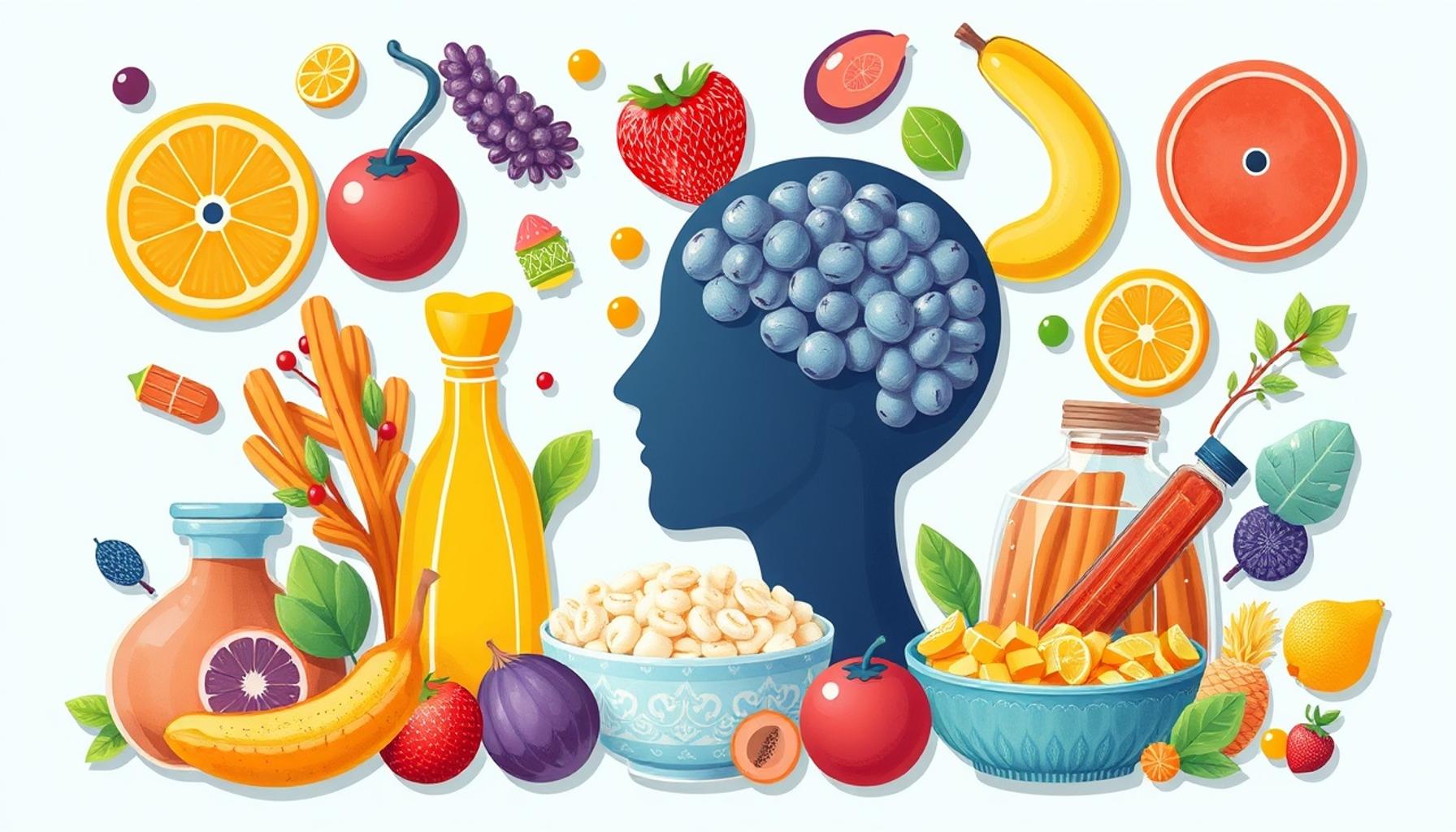
Our daily food choices are not merely a matter of taste; they profoundly impact our emotional and mental well-being. The brain, which weighs about three pounds, is an energy-intensive organ, requiring a steady flow of nutrients to maintain its complex functions. It has been estimated that the brain consumes approximately 20% of the body’s total energy, demanding a balanced supply of vitamins, minerals, and other essential compounds for optimal performance. This relationship between diet and mental health is an area of growing interest and research, revealing crucial insights into how our eating habits influence not just our bodies, but also our minds.
Key Nutrients for Optimal Mental Function
The quest for better mental health through nutrition begins with understanding the role of specific nutrients. For instance, Omega-3 fatty acids are vital fats that play a significant role in brain health. Studies suggest that populations with diets rich in Omega-3s, such as those consuming plenty of fish like salmon and sardines, report lower rates of depression. These fatty acids help build cellular structures within the brain and combat inflammation, a state linked to various mental health disorders.
B vitamins, including B6, B12, and folate, are also fundamental in synthesizing neurotransmitters—chemical messengers that affect mood and cognition. A deficiency in these vitamins can lead to imbalances in serotonin and dopamine levels, potentially contributing to mood disorders. Foods such as leafy greens, eggs, and legumes are abundant in these vitamins, making them crucial components of a diet designed to uplift mental health.
Another group of nutrients, antioxidants, also plays a crucial role in protecting the brain. From blueberries brimming with vitamin C to nuts enriched with vitamin E, these foods combat oxidative stress that can damage cells and lead to cognitive decline. Research has shown that diets high in antioxidants are associated with improved cognitive function and diminished risks of neurodegenerative diseases.
The Impact of Dietary Choices on Mental Health
Understanding the connection between diet and mental health is more critical than ever, particularly as issues like anxiety and depression are on the rise across the United States. Studies reveal that individuals who prioritize whole foods—such as fruits, vegetables, and whole grains—over processed foods are more likely to report higher satisfaction and lower levels of stress. The Mediterranean diet, characterized by its emphasis on plant-based foods, lean proteins, and healthy fats, has been associated with positive mental health outcomes and lower risks of depression.
As conversations around mental health become more mainstream, the importance of nourishing the brain through proper nutrition cannot be overstated. Learning about the symbiotic relationship between what we eat and how we feel empowers individuals to make informed choices that bolster both their physical and mental health. Such awareness is not just an academic exercise; it can lead to practical changes in everyday life, encouraging a more holistic approach to well-being that respects the intricate connection between body and mind.
Essential Nutrients and Their Role in Mental Health
A balanced diet is foundational not only for physical health but also for mental well-being. The complex relationship between nutrition and mental health is being explored through extensive research, highlighting the vital role specific nutrients play in our emotional state. As our understanding deepens, it becomes increasingly clear that what we put on our plates can either uplift or undermine our mental stability.
One of the most talked-about categories in this context is Omega-3 fatty acids. These essential fats, found in foods like fatty fish, walnuts, and flaxseeds, are integral to brain function. Omega-3s help in the formation of neuronal membranes and are linked to a lower risk of depression and anxiety. A notable study conducted by the American Journal of Psychiatry reported that individuals with higher Omega-3 levels had a 30% reduced risk of developing depression compared to those with lower intake. This finding offers a compelling argument for incorporating more Omega-3-rich foods into our diets.
B vitamins—especially B6, B12, and folate—are another group of nutrients that have garnered attention for their role in mental health. These vitamins assist in synthesizing crucial neurotransmitters that regulate mood, such as serotonin and dopamine. Deficiencies in these vitamins can lead to imbalances that heighten the risk of mood disorders. Foods like chickpeas, spinach, and avocados are rich in B vitamins and can be easily integrated into daily meals. A report from the University of Massachusetts finds that individuals with optimal B vitamin levels display improved cognitive function and lower emotional distress.
The Power of Antioxidants and Whole Foods
Antioxidants also contribute significantly to maintaining mental well-being. These compounds, which include vitamins C and E, help guard against oxidative stress, a condition detrimental to brain health. Research has shown that diets high in antioxidants—found in colorful fruits and vegetables—correlate with improved mental clarity and memory. A striking example is blueberries, known for their high levels of antioxidants; studies indicate that regular consumption may enhance cognitive performance and delay age-related decline.
Moreover, embracing a diet that promotes whole, unprocessed foods can yield substantial mental health benefits. A study published in the journal Nutritional Neuroscience found a significant connection between a diet rich in fruits, vegetables, and whole grains and lower levels of anxiety and depression among participants. It appears that those who prioritize leaning toward these wholesome options experience improved psychological resilience.
- Omega-3 fatty acids: Found in fatty fish (salmon, mackerel), flaxseeds, and walnuts.
- B vitamins: Present in leafy greens, beans, and whole grains.
- Antioxidants: Available in berries, nuts, and brightly colored vegetables.
With mental health issues on the rise, particularly in the United States, the conversation around nutrition as a component of mental wellness is becoming increasingly important. The embrace of a balanced diet is not merely an option but rather a necessity in fostering better mental health outcomes. Recognizing this connection between nutrition and psychological health empowers individuals to seek out dietary adjustments that can facilitate improved well-being, inviting a more holistic approach to health in everyday life.
| Nutrient | Impact on Mental Health |
|---|---|
| Omega-3 Fatty Acids | Reduces symptoms of depression and anxiety. |
| B Vitamins | Essential for neurotransmitter function and emotional regulation. |
| Magnesium | Enhances stress resilience and mood stabilization. |
| Vitamin D | Linked to lowered risk of mood disorders. |
Dietary choices play a crucial role in shaping mental health, with essential nutrients acting as the building blocks for psychological well-being. Omega-3 fatty acids, found in fatty fish, walnuts, and flaxseeds, are known for their ability to reduce symptoms of depression and anxiety. This vital nutrient is crucial for maintaining optimal brain function and is linked to better cognitive health.B Vitamins, which can be derived from leafy greens, whole grains, and legumes, are essential for neurotransmitter function, which helps in emotional regulation. A deficiency in these vitamins can lead to imbalances that may trigger mood disorders.Additionally, magnesium, present in nuts, seeds, and whole grains, enhances the body’s ability to cope with stress and supports overall mood stability. Research indicates that individuals with higher magnesium intake report lower levels of anxiety and depressive symptoms.Lastly, Vitamin D, which our bodies produce through sunlight exposure and can also be found in fortified foods, has a significant correlation with mood. Low levels of this vitamin have been linked to a higher risk of developing mood disorders, emphasizing the importance of adequate levels for mental clarity and emotional resilience.By understanding and incorporating these essential nutrients into our daily diets, we can potentially safeguard our mental health and enhance our overall well-being.
The Role of Minerals and Hydration in Mental Wellness
Beyond the well-recognized vitamins and fatty acids, minerals also play a crucial role in mental health. Essential minerals such as magnesium, zinc, and iron contribute to various brain functions. For instance, magnesium has been associated with reduced stress levels and an enhancement in mood stabilization. This mineral is found in foods like leafy greens, nuts, and whole grains; an increase in magnesium-rich foods may alleviate symptoms of anxiety. A study from the journal Neuropharmacology suggests that individuals with higher magnesium intake demonstrate lower rates of depression.
Zinc, another vital mineral, aids in the production of neurotransmitters and helps protect against oxidative stress. Low levels of zinc have been linked to a variety of mood disorders. A research article in the Journal of Affective Disorders emphasized that supplementing zinc could significantly decrease depressive symptoms. Common dietary sources of zinc include beans, nuts, and whole grains, making it relatively easy to boost intake through a balanced diet.
Equally important is iron, a mineral critical for oxygen transport in the body, which indirectly affects cognitive function. Iron deficiency can lead to fatigue and decreased focus, exacerbating feelings of anxiety and depression. Foods rich in iron, such as lean meats, spinach, and fortified cereals, should be prioritized to ensure adequate levels, particularly for individuals at risk of deficiency, such as vegetarians or pregnant women.
The Importance of Hydration and Its Impact on Mood
In addition to focusing on nutrient-rich foods, hydration is a critical yet often overlooked component of mental health. Even mild dehydration can lead to mood fluctuations, irritability, and increased anxiety. Studies suggest that drinking sufficient water positively influences cognitive performance, while dehydration has been directly linked to fatigue and mood disturbances. For many, simply incorporating more fluids — whether it be through water, herbal teas, or hydrating fruits and vegetables like cucumbers and oranges — can lead to noticeable improvements in mental clarity and emotional regulation.
Promoting gut health has also emerged as a key focus in the conversation surrounding mental health and nutrition. The gut-brain connection reveals that the gut microbiome can influence mental health through the production of neurotransmitters and other chemicals. Probiotic-rich foods, such as yogurt, kefir, and fermented vegetables, support a healthy gut microbiome. A study published in Nature Reviews Neuroscience found a direct correlation between increased biodiversity in gut bacteria and reduced symptoms of anxiety and depression. Incorporating these healthy bacteria into the diet can create a synergistic effect on overall mental health.
- Magnesium: Found in leafy greens, nuts, and whole grains.
- Zinc: Available in beans, nuts, and fortified cereals.
- Iron: Present in lean meats, spinach, and fortified cereals.
- Hydration: Essential for mood stabilization and cognitive function.
- Probiotics: Found in yogurt, kefir, and fermented foods for gut health.
As we uncover the multi-faceted role that a balanced diet, enriched with essential nutrients, plays in shaping mental health, it becomes increasingly evident that these dietary choices impact not only our physical state but also our emotional landscape. Understanding the intricate link between what we eat and how we feel invites a broader discussion on adopting dietary habits that enhance both physical vitality and psychological resilience.
Conclusion: Nurturing Mental Health Through Nutrition
In conclusion, the intricate relationship between a balanced diet and mental health cannot be overstated. Each essential nutrient, from vitamins and minerals to hydration and probiotics, plays a vital role in regulating our emotional well-being and cognitive function. The impact of nutrients such as magnesium, zinc, and iron, alongside the importance of proper hydration and gut health, emphasizes the need for a holistic approach to mental wellness.
Research increasingly supports the idea that what we consume directly influences our mood, cognitive abilities, and overall mental stability. By integrating diverse, nutrient-rich foods into our daily diets, we not only fortify our physical health but also bolster our psychological resilience. With the rising awareness surrounding the mental health crisis in society, promoting a diet rich in essential nutrients could serve as a significant preventive measure against anxiety and depression.
As individuals look to improve their well-being, it is crucial to consider the power of nutrition as a foundational building block for a healthier mind. Encouraging further exploration into dietary habits will lead to greater understanding and fostering of a lifestyle that values both physical vitality and psychological strength. The interconnectedness of diet and mental health invites everyone to rethink their choices — a small shift in what we eat may spark profound changes in how we feel.

Linda Carter
Linda Carter is a writer and wellness enthusiast specializing in healthy habits, balanced living, and personal well-being. With extensive experience creating practical content that helps readers improve their daily routines, Linda shares insights on our platform to inspire healthier choices. Her goal is to empower readers with simple advice and effective strategies to build a more balanced, mindful, and fulfilling life.