
Exploring the Connection Between Gut Health and Nutritional Diet
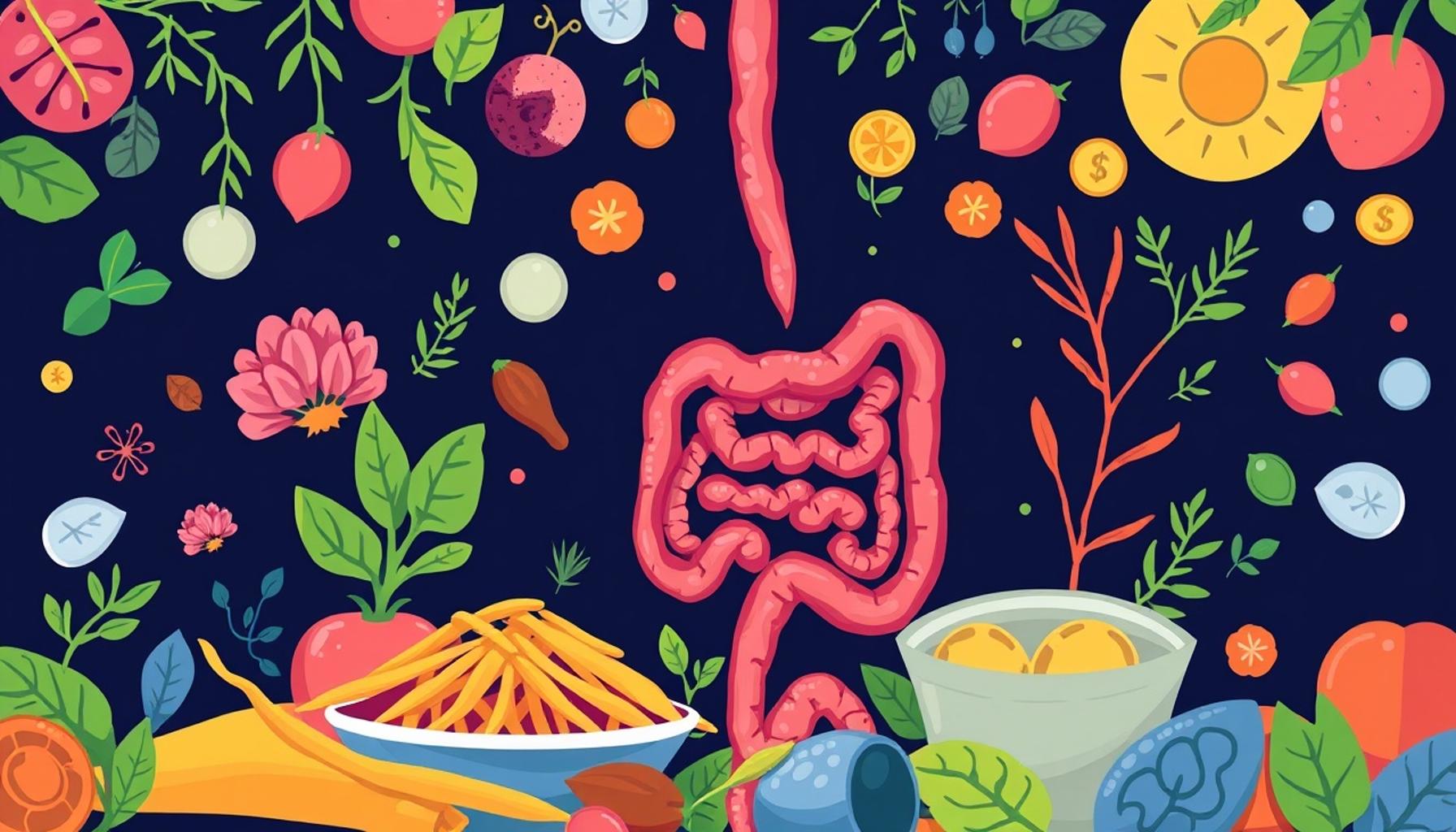
The Link Between Gut Health and Nutrition
The connection between gut health and a nutritional diet has emerged as a pivotal topic in health research. With the advent of sophisticated scientific techniques, we are beginning to comprehend the depth of influence that our gut microbiome exerts on various aspects of our well-being, including overall health, mood regulation, and weight management.
At the heart of this exploration lies the gut microbiome, a complex ecosystem of trillions of microorganisms, including bacteria, fungi, and viruses. This diverse microbial community plays crucial roles in our metabolic processes. For instance, research indicates that having a diverse microbiome can enhance digestion and fortify the immune system. A varied array of gut bacteria enables the breakdown of different food types, aiding nutrient absorption, and supporting overall health.
Importance of Diet in Shaping Gut Health
The role of our diet cannot be overstated. Consuming a diet rich in fiber, found in fruits, vegetables, grains, and legumes, promotes the growth of beneficial bacteria. Fiber acts as a prebiotic, providing nourishment for the good bacteria, which in turn helps maintain a healthy gut environment. For instance, foods like lentils, chia seeds, and broccoli are fiber-rich and can significantly enhance gut flora diversity.
Conversely, a high intake of processed foods, which are often laden with sugar, unhealthy fats, and preservatives, can drastically diminish microbial diversity. These foods may lead to an overgrowth of harmful bacteria, contributing to inflammation and a host of health issues. The subtle balance between the foods we consume and the health of our gut could be key to unlocking better health outcomes.
Health Conditions Linked to Gut Health
The implications of gut health extend beyond mere digestion. Studies have uncovered fascinating links between the gut and various health conditions, such as:
- Digestive Disorders: Conditions like Irritable Bowel Syndrome (IBS) and Crohn’s disease have been closely tied to gut microbiome imbalances. These disorders can result in significant discomfort and affect daily life.
- Mental Health: Research suggests a compelling connection between gut health and mood disorders, such as anxiety and depression, often referred to as the ‘gut-brain axis.’ The gut produces neurotransmitters like serotonin, which is instrumental in regulating mood.
- Weight Management: Emerging evidence indicates that the composition of gut bacteria can influence metabolism, affecting how we gain or lose weight. Certain microbial profiles are associated with obesity, suggesting that our gut bacteria might play a role in weight management and metabolic health.
By diving deeper into the relationship between diet and gut health, individuals can make informed dietary decisions that promote wellness and vitality. Understanding how various foods interact with our gut microbiome may pave the way for more personalized nutrition and health strategies. Exploring this dynamic connection not only invites a greater awareness of dietary choices but also offers a path towards optimal health through the cultivation of a balanced gut microbiome.
Understanding Gut Microbiome Diversity
When we consider gut health, one of the most significant factors is the diversity of the gut microbiome. A rich variety of microbial species inhabiting our intestines can enhance our body’s ability to process nutrients and fend off diseases. Studies have shown that individuals with a diverse microbiome tend to experience fewer digestive issues and have a more robust immune response, shielding themselves from infections and inflammatory conditions.
Moreover, the diversity of gut bacteria is not static; it can vary based on our nutritional choices. For instance, diets abundant in whole foods, such as those dense in antioxidants and polyphenols, promote the growth of beneficial microbes. Foods like berries, nuts, and leafy greens are packed with vitamins and minerals that fortify gut flora, contributing to a balanced microbiome. On the contrary, diets high in refined carbs and sugars can create an environment conducive to harmful bacteria, leading to dysbiosis, a condition characterized by microbial imbalance.
Probiotics and Prebiotics: Allies for Gut Health
Understanding the roles of probiotics and prebiotics is essential in the context of gut health. Probiotics, which are live beneficial bacteria found in fermented foods like yogurt, sauerkraut, and kimchi, can help replenish gut flora and promote digestive health. Meanwhile, prebiotics are non-digestible components of food that feed these good bacteria. Sources of prebiotics include foods like garlic, onions, and asparagus.
Both probiotics and prebiotics work in synergy to establish a balanced gut microbiome. Current research suggests that regular intake of these foods can alleviate symptoms related to digestive disorders and enhance nutrient absorption—making them vital components of a nutritional diet.
The Role of Diet Modifications
For those seeking to improve their gut health, simple dietary modifications can have profound effects. Consider incorporating a variety of fermented foods into your meals. Popular options include:
- Kefir: A fermented milk drink that is rich in probiotics and easy to digest.
- Kombucha: A fizzy tea that contains a multitude of beneficial microbes.
- Miso: A traditional Japanese seasoning that provides benefits for gut health.
Additionally, increasing your daily intake of fiber-rich foods not only supports digestion but also promotes regular bowel movements and prevents constipation. Aim for a colorful plate filled with fruits, vegetables, whole grains, and legumes to ensure you are feeding your microbiome the variety it craves.
As we continue to unveil the intricate relationship between gut health and our nutritional diet, it becomes clear that understanding what we consume is vital for a healthy lifestyle. An emphasis on wholesome, nutrient-dense foods can lead to a thriving gut microbiome and, consequently, improved overall health.
| Benefits of Gut Health | Impact of Nutritional Diet |
|---|---|
| Enhanced Digestion | A nutritional diet rich in fiber aids in regulating digestion, promoting gut motility, and enhancing nutrient absorption. |
| Stronger Immunity | Certain probiotic foods can bolster the gut microbiome, leading to a more resilient immune response against infections. |
| Improved Mental Health | A balanced diet contributes to the production of neurotransmitters, significantly influencing mood and reducing anxiety. |
| Weight Management | Foods high in prebiotics can promote healthy gut bacteria that play a role in maintaining a healthy weight. |
The relationship between gut health and nutritional diet is profoundly influential, impacting various aspects of health beyond mere physical wellness. Issues such as irregular bowel movements or bloating can often be traced back to dietary choices. The intestine, hosting trillions of microorganisms, thrives on nutrients derived from dietary sources. This crucial interaction showcases the impact an individual’s food intake has on their gut ecosystem.Moreover, emerging research continues to unveil how gut health correlates with chronic diseases, such as obesity and metabolic syndrome. It emphasizes the significant role of a well-balanced diet that emphasizes whole foods, fermented items, and adequate nutrient diversity, thereby creating a more balanced gut microbiome. Understanding this connection may not only lead to improved digestive health but also foster a greater awareness of how food choices can reshape health trajectories long-term. Additionally, nutrition can serve as the bedrock for a healthy gut environment. Practices such as incorporating a variety of colors on your plate and choosing organic options can enhance gut diversity. With more studies linking gut health to overall well-being, the imperative to explore this connection becomes all the more essential. With further inquiry, individuals can empower themselves towards healthier dietary practices that not only foster gut health but promote vitality in every sense.
The Impact of Dietary Fats on Gut Microbiome
While fiber-rich foods take center stage in discussions around gut health, dietary fats also play a crucial role in shaping our gut microbiome. Recent studies highlight the importance of the type and quality of fats consumed in our diet. Polyunsaturated fatty acids (PUFAs), especially those found in fatty fish, flaxseeds, and walnuts, are known for their anti-inflammatory properties and have been shown to promote the growth of beneficial gut bacteria.
In contrast, diets high in saturated fats, typically found in processed foods and red meat, have been associated with an increase in harmful gut bacteria. These detrimental shifts in microbial composition can lead to conditions like metabolic syndrome and obesity. Consequently, adopting a balanced approach by emphasizing healthy fats can become part of an effective strategy for enhancing gut health.
The Role of the Mediterranean Diet
When searching for dietary patterns that bolster gut health, the Mediterranean diet stands out remarkably. Characterized by its rich offerings of fruits, vegetables, whole grains, nuts, legumes, and healthy fats, this diet has garnered attention not just for its cardiovascular benefits but also for its profound impact on the gut microbiome.
A study published in the journal Gut found that individuals adhering to a Mediterranean diet displayed a more diverse gut microbiome, largely due to its high fiber content and inclusion of fermented foods. Traditional Mediterranean foods, such as olives and yogurt, provide beneficial bacteria and nutrients that work in harmony to enhance the microbiome’s resilience. This diet’s focus on seasonal, local ingredients also means richer bioactive compounds that further support gut health.
Food Additives and Processed Foods
As we refine our understanding of the connection between gut health and nutrition, it’s critical to acknowledge the adverse effects of processed foods. Many commercial food items are laden with artificial additives, preservatives, and emulsifiers. Research suggests that these compounds can negatively affect gut bacteria, leading to reduced microbial diversity and potential gastrointestinal issues.
One study indicated that common emulsifiers used in processed foods might alter gut bacteria, resulting in increased susceptibility to inflammation and metabolic disorders. Therefore, minimizing the intake of highly processed foods and opting for fresh, whole ingredients can serve as a proactive measure for maintaining a healthy gut microbiome.
Individual Variability in Gut Responses
It’s vital to recognize that the relationship between gut health and diet is highly personalized. Factors such as genetics, lifestyle, age, and even geographic location play a role in how our bodies respond to various foods. For example, what benefits one individual may not have the same positive effect on another. Recent research is leaning towards personalized nutrition as a thriving field, using genetic and metabolic profiling to tailor dietary recommendations aimed at improving gut health.
This individualized approach highlights the need for ongoing scientific exploration to untangle the complex interactions between diet and gut microbiota. By addressing our unique responses to different foods, we can make more informed choices that align with our health goals and symptoms, leading to a more balanced and thriving gut microbiome.
Conclusion: The Vital Link Between Gut Health and Nutrition
As our exploration into gut health and its intricate relationship with nutritional diets unfolds, it becomes increasingly clear that what we consume profoundly shapes our well-being. A balanced diet rich in fiber, healthy fats, and diverse food sources fosters a vibrant and resilient gut microbiome, which is paramount for overall health. The Mediterranean diet exemplifies this, offering a blueprint that combines numerous beneficial components, from fresh produce to fermented foods, which promote microbial diversity.
However, the pervasive presence of processed foods, filled with artificial additives and unhealthy fats, stands as a significant threat to our gut health. By making conscious dietary choices and minimizing processed food intake, individuals can actively support their microbiomes and, consequently, their physical and mental health. Moreover, the growing field of personalized nutrition emphasizes the importance of tailoring dietary strategies to our unique biological makeup. Understanding that the relationship between diet and gut health varies from person to person opens doors to more effective, individualized dietary interventions.
This journey into the gut-brain axis underscores a broader understanding of health, suggesting that our daily food choices are not just a matter of taste but are crucial to maintaining a thriving microecosystem within us. As research continues to evolve, we encourage readers to stay informed and consider their dietary choices as vital steps towards enhancing their gut health and overall wellness. The path to optimal health may very well lie in our plates—dare to investigate and make informed choices that nurture your gut.

Linda Carter
Linda Carter is a writer and wellness enthusiast specializing in healthy habits, balanced living, and personal well-being. With extensive experience creating practical content that helps readers improve their daily routines, Linda shares insights on our platform to inspire healthier choices. Her goal is to empower readers with simple advice and effective strategies to build a more balanced, mindful, and fulfilling life.