
The importance of daily meditation for mental health and emotional balance
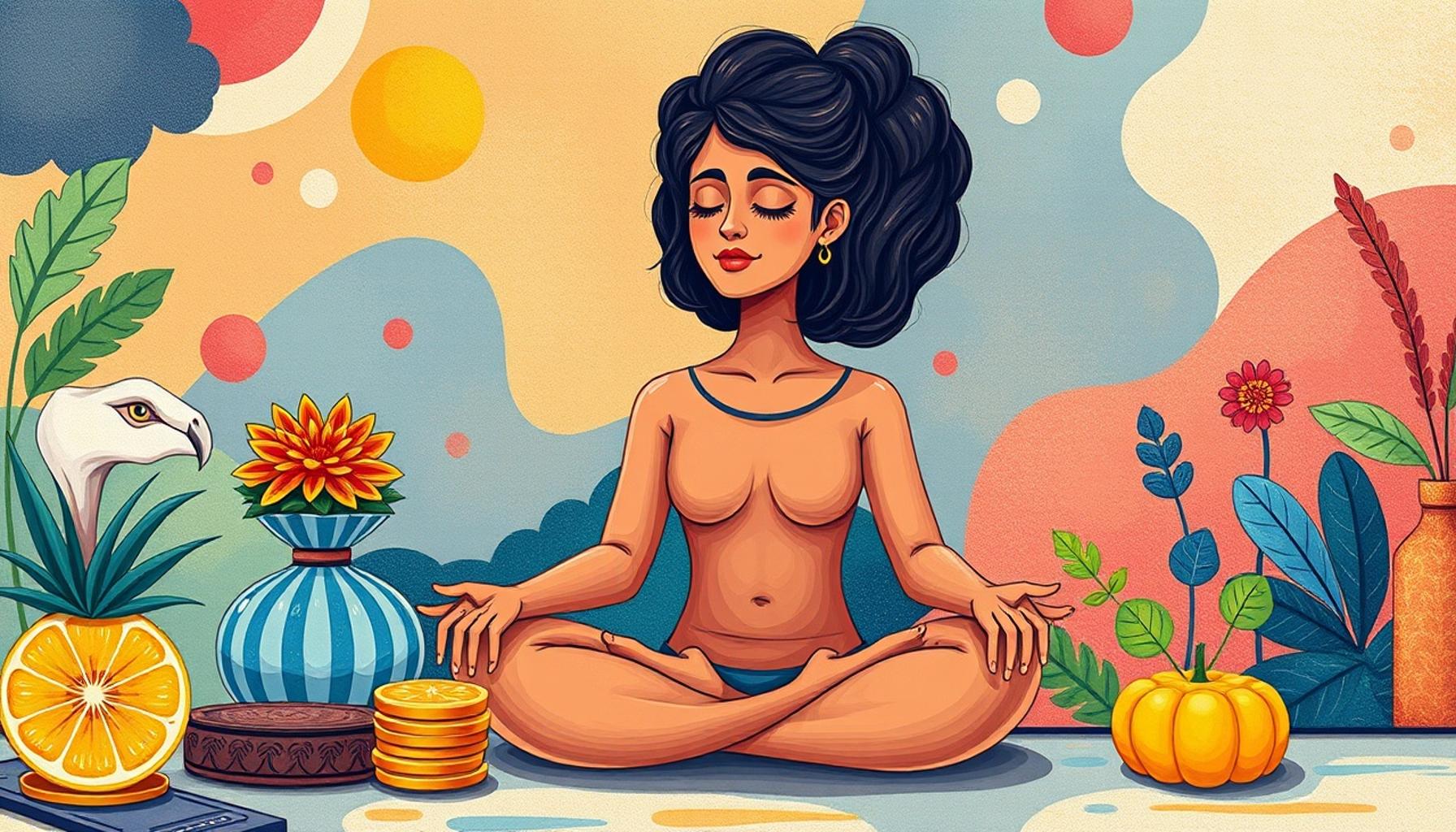
Finding Serenity in Daily Practice
In our fast-paced world, the quest for mental clarity and emotional stability has never been more crucial. Daily meditation emerges as a beacon of hope, offering not only a moment of peace but also a host of psychological benefits. Consider this: one in five adults in the United States experiences mental illness each year, and meditation could be a potential lifeline.
Incorporating meditation into your daily routine can lead to significant improvements in various aspects of life. The advantages of establishing a consistent practice extend far beyond the immediate sense of calm. Here are several key benefits to consider:
- Stress Reduction: Regular practice lowers cortisol levels, the hormone responsible for stress. A study by neuroscientist Sara Lazar at Harvard University found that mindfulness meditation can even physically change the brain, reducing grey matter in the amygdala, a region that responds to stress.
- Enhanced Focus: Meditators often report improved concentration and productivity. In fact, research published in the journal Psychological Science indicates that just two weeks of mindfulness training can significantly improve focus and attention.
- Emotional Balance: Meditation promotes greater self-awareness, helping you to better manage your emotions. The practice encourages reflective thinking, leading to enhanced emotional intelligence, enabling individuals to navigate complex emotional landscapes with more ease.
Research indicates that just a few minutes a day can offer profound changes. According to a study published in the Journal of Happiness Studies, those who meditate regularly report higher levels of emotional resilience and lower incidences of anxiety. It’s clear that the implications of this practice extend beyond mere relaxation, offering a toolkit for better mental health.
Embarking on a daily meditation journey may seem daunting at first, especially with the myriad of methods available. From mindfulness meditation to loving-kindness practices, there are countless techniques to explore. Mindfulness meditation involves paying attention to your breath and letting thoughts pass without judgment, while loving-kindness focuses on cultivating compassion for oneself and others.
Moreover, mobile applications like Headspace and Calm have made meditation more accessible by offering guided sessions tailored to various needs. These platforms cater to busy lifestyles, allowing individuals to fit short meditation breaks into their schedules seamlessly. The transformative power of meditation is not only about improving your mood; it’s about enhancing your overall well-being and resilience in facing life’s challenges.
To truly grasp the potential of daily meditation, explore these practices and find the method that resonates with you. By integrating even a few minutes of meditation into your day, you may unlock a more serene, focused, and emotionally balanced version of yourself, ready to face the demands of modern life with renewed strength.
The Science Behind Meditation’s Benefits
Daily meditation holds extraordinary potential to enhance mental health and foster emotional balance. Numerous scientific studies back this claim, unveiling the remarkable ways meditation influences the brain and body. By engaging in this practice consistently, individuals can harness a tool that promotes not only psychological well-being but also physical health.
Meditation alters brain structure in ways that can fundamentally change how we process stress and emotions. Research conducted by neuroscientists at UCLA shows that individuals who meditate regularly show a significant decrease in the density of gray matter in the amygdala. This small, almond-shaped part of the brain plays a crucial role in processing fear and stress. By reducing its size, meditation helps manage responses to stress, leading to a calmer, more composed presence in daily life.
Another compelling aspect of daily meditation is its ability to enhance concentration. According to a study published in the Journal of Cognitive Neuroscience, participants who practiced mindfulness meditation demonstrated improved attention spans and heightened abilities to concentrate on tasks. This can be especially beneficial for those navigating the complexities of work and personal obligations in today’s multitasking environment.
The physiological benefits of meditation extend to the cardiovascular system as well. Regular practice of meditation has been linked to lower blood pressure, providing a protective factor against heart disease. A meta-analysis published in the Journal of Hypertension indicated that mindfulness-based stress reduction programs could lead to significant improvements in heart health, offering another layer of why integrating meditation into your routine can be vital for long-term wellness.
Moreover, meditation also affects the body’s stress response. When practicing meditation, the body enters a state of deep relaxation, which decreases the production of stress hormones like cortisol. Consequently, lower cortisol levels can lead to a multitude of benefits, including reduced anxiety, improved sleep quality, and a stronger immune system.
Daily meditation doesn’t necessitate excessive time commitments or elaborate rituals. The beauty of this practice lies in its simplicity. Just a mere 10 to 15 minutes a day can yield transformative results. Here are a few simple strategies to incorporate meditation into your daily life:
- Setting a Schedule: Choose a consistent time each day that works best for you—whether it’s morning, during lunch, or before bedtime.
- Creating a Dedicated Space: Establish a calming environment free from distractions where you can focus on your practice.
- Utilizing Guided Meditations: Explore mobile apps or online videos that provide structured meditation sessions tailored to your level of experience.
- Practicing Mindfulness Throughout the Day: Integrate mindfulness techniques into routine activities, such as mindful walking or conscious eating.
As you begin to incorporate meditation into your daily regimen, be patient with yourself. The journey to mental clarity and emotional balance is a gradual process. With consistency and openness, you will likely discover that daily meditation not only enhances mental health but also enriches the overall quality of your life.
The Importance of Daily Meditation for Mental Health and Emotional Balance
As modern life becomes increasingly fast-paced and stressful, the realization of the significance of daily meditation for mental health and emotional balance has gained tremendous popularity. This ancient practice serves not just as a relaxation technique but as a vital component of a holistic approach to mental well-being.
Research strongly supports the notion that daily meditation can lead to significantly decreased levels of anxiety, depression, and stress. When individuals dedicate even a few minutes each day to meditation, they can enhance their overall emotional intelligence and improve their coping mechanisms.
Furthermore, studies reveal that meditation fosters a deeper connection between the mind and body. Through the practice of mindfulness meditation, individuals learn to remain present, engage with their emotions, and acknowledge their thoughts without judgment. This process not only improves self-awareness but also enhances emotional resilience, allowing practitioners to navigate life’s challenges with greater ease.
In addition, meditation can stimulate neuroplasticity—the brain’s ability to reorganize itself. Regular practice encourages positive brain changes, which can improve memory, focus, and emotional regulation. Such benefits contribute to a more balanced emotional state and promote better mental health.
For those looking to deepen their practice, incorporating different forms of meditation, such as guided meditations, loving-kindness meditation, or even movement-based practices like yoga, can diversify the benefits obtained, enriching the daily experience.
| Category 1 | Category 2 |
|---|---|
| Stress Relief | Engaging in meditation daily can lead to reduced stress levels, helping individuals maintain peace in their lives. |
| Improved Emotional Balance | Regular meditation practice promotes emotional stability and resilience, managing emotional fluctuations. |
Engaging in daily meditation is more than just a practice; it is a commitment to oneself that promotes a healthier mental and emotional state.
The Impact of Meditation on Emotional Resilience
In addition to its cognitive and physiological benefits, daily meditation plays a vital role in enhancing emotional resilience. This refers to our ability to cope with stress, adapt to challenges, and recover from setbacks in everyday life. Emotional resilience is not an inherent trait; rather, it can be nurtured through practices like meditation, which helps cultivate a positive mindset.
Research shows that regular meditation, particularly mindfulness meditation, supports emotional regulation. A study published in the Journal of Happiness Studies found that individuals who practice mindfulness experience higher levels of positive emotions and lower levels of negative emotions. By fostering greater self-awareness, meditation enables individuals to recognize their thoughts and feelings without judgment, thereby reducing the likelihood of being overwhelmed by negative experiences.
Building emotional resilience is crucial, especially in the face of stressors that are all too common in modern life. According to a 2020 report from the American Psychological Association, chronic stress and anxiety affect millions of Americans, often culminating in mental health issues such as depression. Daily meditation offers a proactive approach to managing these circumstances by providing strategies to deal with stress constructively.
Transforming Negative Thought Patterns
Furthermore, meditation has the profound ability to transform negative thought patterns that can derail emotional balance. The practice encourages individuals to observe their thoughts without dwelling on them. This technique, known as cognitive defusion, has been effective in reducing symptoms associated with conditions like anxiety and depression. A meta-analysis published in Clinical Psychology Review underscores the efficacy of mindfulness-based therapies, reporting significant reductions in anxiety levels through structured meditation practices.
It’s essential to note that while meditation is beneficial, it is not a panacea. Experienced practitioners recommend complementing meditation with other holistic practices such as physical exercise and a healthy diet for optimal results. Exercises that elevate heart rate can enhance the benefits of meditation, as physical fitness also contributes to better emotional health. Activities like yoga synergize meditation and physical movement, creating a cohesive approach to overall well-being.
The Role of Community in Mindfulness
Engaging with a community of like-minded individuals can further amplify the benefits of meditation. Group meditation has gained traction in the United States, fostering social connections and shared experiences that reinforce the positive effects of mindfulness practice. Participating in group sessions or local workshops can create a support system, motivating individuals to maintain their meditation routines and deepen their practice.
- Finding Local Centers: Numerous wellness centers and yoga studios offer group meditation sessions, providing an opportunity to learn from experienced instructors.
- Online Communities: For those who prefer digital environments, various online forums and social media platforms provide spaces for discussion, sharing experiences, and accountability.
- Workplace Initiatives: Many companies are beginning to recognize the importance of mental health and are incorporating meditation programs into their wellness strategies, which can positively influence the corporate culture.
The intricate web of mental health, emotional balance, and meditation underscores the importance of integrating this practice into daily life. As anecdotal evidence and scientific research converge, the consensus is clear: meditation is not just a temporary fix but a lasting ally on the journey toward emotional resilience and mental well-being.
Conclusion: Embracing Daily Meditation for a Balanced Mind
In a world characterized by constant change and heightened stress, the practice of daily meditation emerges as a vital tool for enhancing mental health and achieving emotional balance. The evidence supporting the benefits of meditation continues to grow, with studies highlighting its role in improving emotional resilience, reducing anxiety, and promoting overall well-being. By engaging in consistent meditation, individuals cultivate a deeper awareness of their thoughts and emotions, enabling them to navigate life’s challenges more gracefully.
Moreover, the transformative power of meditation extends beyond personal practice to the community at large. Engaging in group meditations and participating in community initiatives not only strengthens individual commitment but also fosters connections that enhance the collective experience. This community support can be particularly beneficial in maintaining a long-term meditation routine, paving the way for sustained emotional stability.
As we continue to explore the intricate relationship between mental health and meditation, it becomes evident that a daily practice offers a pathway to greater self-awareness and emotional strength. Implementing meditation into our daily lives can serve as a proactive approach to mental wellness, equipping us with the tools to manage stress and nurture resilience. For those seeking to enhance their mental health and achieve emotional equilibrium, daily meditation is not merely an option; it is an essential practice that deserves a prominent place in our lives.
In closing, make meditation a part of your routine—a simple yet profound commitment to yourself. As you embark on this journey, remember that the path to emotional balance is not only about individual practice but also about fostering understanding and connection within your community. Explore, engage, and embrace daily meditation for a healthier mind and a more balanced life.

Linda Carter
Linda Carter is a writer and wellness enthusiast specializing in healthy habits, balanced living, and personal well-being. With extensive experience creating practical content that helps readers improve their daily routines, Linda shares insights on our platform to inspire healthier choices. Her goal is to empower readers with simple advice and effective strategies to build a more balanced, mindful, and fulfilling life.